



Hans Herrera
-
Posts
252 -
Joined
-
Last visited
-
Days Won
7
Content Type
Profiles
Miami Marlins Videos
2026 Miami Marlins Top Prospects Ranking
Miami Marlins Free Agent & Trade Rumors, Notes, & Tidbits
Guides & Resources
News
2025 Miami Marlins Draft Pick Tracker
2026 Miami Marlins Draft Tracker: Picks & Bonuses
Forums
Blogs
Events
Store
Downloads
Gallery
Everything posted by Hans Herrera
-
View full article
-
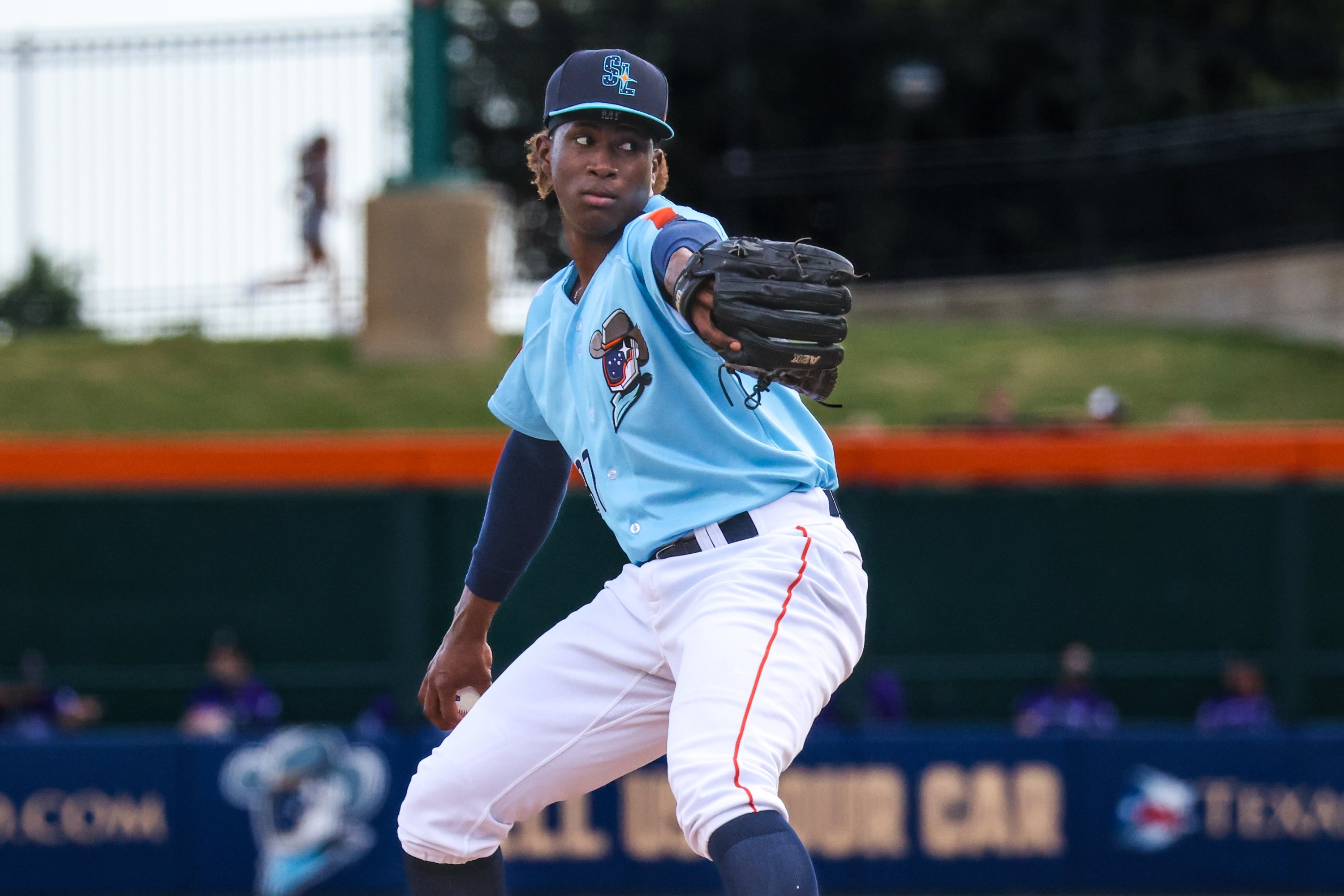 Interested in submitting your own FanPosts? Leave a comment on this article with your preferred email address and we will set things up! After analyzing some potential offensive targets, today the focus shifts toward pitchers. Although there is a big number of arms available for next week’s draft, there aren’t a lot of names you can say will improve Miami’s bullpen corps. But teams never have enough pitching and it is particularly true during Spring Training when injuries start to appear. The success rate is historically higher when picking up pitchers than batters in the Rule 5 Draft, therefore the chance of the Marlins drafting a pitcher is a bit higher than a field player. What pitcher profile can this team actually use? Tanner Scott (closer), Andrew Nardi (setup), A.J. Puk, Huascar Brazoban, JT Chargois (late-inning relievers), Steven Okert, George Soriano, and Bryan Hoeing (long relievers/low leverage) all have more or less defined roles in the current bullpen. However, someone to replace David Robertson (right-handed high-leverage/setup) is a good start, though one can expect Anthony Bender, Anthony Maldonado, and/or even Max Meyer will be given the chance to replace that profile, with recently acquired arms Calvin Faucher and Ryan Jensen ready to compete as well. In addition to Robertson's spot, a long reliever/spot starter or low-leverage multi-innings reliever can have a space on the roster, especially if Hoeing doesn’t recover from his 2023 late-season struggles. Repeating the exercise from last week, here are a handful of pitchers that can be interesting to add to the 40-man. Both starters and relievers are considered. Given the variety of profiles, players have been divided into three categories. Ready for a ChanceThis group has nothing left to prove in AAA. Each of them comes with question marks, which is natural for any Rule 5 player available. 1. Misael Tamarez (AAA, HOU)–With raw tools, Tamarez has a mid-90s FB which can reach 99 at times, paired with a SL and a CH. This season he worked both as starter (17 Starts, 4.32 ERA, 73 Ks in 73.0 IP) and reliever (9 G, 7.07 ERA, 27 K in 28.0 IP), drawing more BBs than needed and unattractive peripherals (5.35 BB/9, 6.10 FIP, 5.34 xFIP, .270 BABIP). The Marlins have a history of “fixing” these types of players and Tamarez might be that low-risk, high-reward player teams are looking for at the draft. 2. Mitch Spence (AAA, NYY)–Never a top prospect, the 25-year-old had a solid season for the Rail Raiders leading the International League with 163.0 IP allowing 4.47 ER per 9, with similar peripherals. He struck out 153 batters and his best offering is an above-average SL which complements with a decent CV, a low-90s FB, and good control (2.93 BB/9). Meet Daniel Castano’s replacement: he can give you multi-inning efforts plus some spot starts. https://sporty-clips.mlb.com/fb1d619d-7bd9-4a0d-bdb6-9389d062a5f8.mp43. Cam Sanders (AAA, CHC)–A former starter who transitioned to the bullpen due to control issues, Sanders has a tremendous arsenal with FB, SL, CV, and CH all evaluated as average or better pitches. He threw 64.2 innings out of the bullpen in Iowa, striking out 97 (!!) while walking 69 (also !!). Hello, Scott, Cabrera? Potential fits in the long runThis group might need a bit more seasoning in AAA, but if they can limit the damage during their first taste of the majors, could be worth keeping on the active roster in 2024 and prove to be a good investment in a few years. 4. Evan McKendry (AAA, MIL)–Traded during midseason from Durham (TB) to Nashville for old friend C Alex Jackson, McKendry is surely a familiar name to Mr. Bendix. Evan had better results on the former team, but still put some similar numbers between teams with a deceptive, "kitchen sink” delivery which allows a plus CH to play up. His fastball velocity is a concern, typically sitting in the low 90s and occasionally dropping even below that. He’s done with AAA, but also looks more like a depth piece. https://sporty-clips.mlb.com/42899c4a-aafa-4292-998b-24dc8fc18b70.mp45. Taylor Dollard (AAA, SEA)–After a great 2022 when he won the POTY award in the AA Texas League, Dollard had an injury-marred season where he started only 3 games before joining the IL in late April and did not pitch again. He has a deep pitch mix relying more upon control than stuff. 6. Justin Jarvis (AAA, NYM)–Another prospect traded during mid-season, Jarvis is currently the Mets’ No. 15 prospect. Admittedly, he has better projection than both Spence and McKendry, but his rather poor overall year refrains him from being looked with better eyes. Throws a FB, SL, SP combo and projects as a back-spot starter. Long ShotsSuccessful players still in AA who may be a great pickup during the minor league phase of the draft. It would be surprising if they can already contribute to an MLB team. 7. Matt Sauer (AA, NYY)–Sauer had a great season with the Patriots, punching out 83 in only 68 frames while maintaining good control rates. He operates in the 91-94 mph range with a SL as his punch-out pitch. Had a bit rough AFL season. 8. Luis De Avila (AA, ATL)–My “paisano” has been a consistent minor league starter throughout the Braves’ system ever since signed, but has only pitched 3.2 innings in AAA. Still young, would be a great minor-league pick up if available. 9. Coleman Crow (AA, NYM)–Relying on good command, solid slider, and changeup, Crow underwent TJS this summer and will miss a big chunk of the next season. He had a 1.88 ERA in 4 starts before going to surgery. Honourable MentionsThese players have intriguing raw tools, but need more sustained success in the minors to be considered. 10. Chih-Jung Liu (AA, BOS)–Liu has yet to debut in AAA, but had a solid season for the Sea Dogs. He possesses a good FB/SL combo with a CH and is now throwing a splitter consistently. Has a good ceiling, but is not yet MLB-ready. 11. Cole Wilcox (AA, TB)–Tampa Bay's 11th-ranked prospect is for sure well-known by Peter Bendix. He is a 6’5” righty with a FB/SL duet and below-average control. He had 106.1 innings in AA this season and needs to improve his long-ball proclivity. 12. Angel Bastardo (AA, BOS)–Another Portland Sea Dog, Angel gets good reviews for raw stuff, but lacks consistency. His best offerings are a mid-90s FB, CH, and CV. Projects as a starter. With two open spots on the roster, there is a good chance that the Fish catch one player in the draft. Which pitcher do you think has a better chance or profile to join Miami? Comments are much appreciated. Photo of Misael Tamarez courtesy of Sugar Land Space Cowboys
 -
FanPost: Offseason Needs: Starting Pitcher
Hans Herrera replied to Hans Herrera's topic in Miami Marlins Talk
And just like that, Maeda is gone to the Tigers. 2y/$24M sounds about right for his quality. -
FanPost: Rule 5 Draft Targets: Batters
Hans Herrera replied to Hans Herrera's topic in Miami Marlins Talk
After thoroughly reading all 5 scouting reports, the player with the higher floor right now is Tristin English. He can make an impact as soon as he gets regular playing time in the major leagues, though not saying he will hit 20 homers in his rookie season, but he has a chance of hitting 10-15. I think both he and Troy Johnston will be gone in this draft. After him, Ornelas is probably the one with the better projections since he is still 23 and will probably turn into an average corner OF with decent batting skills. He reminds me a bit of Alex Verdugo. All of the others have some kind of concern about being major leaguers on a consistent basis. Williams has a high K-rate, Schuemann projects more as a bench-utility player (still useful), and Brooks apparently lacks some fundamentals but there is the chance that he might be underrated. After picking up Jensen off waivers, there might be a chance the Fish select a field player instead of a pitcher. -
Would be great to get "Lelo" from the Mets, but NY has more questions than answers when it comes to Starters.
-
View full article
-
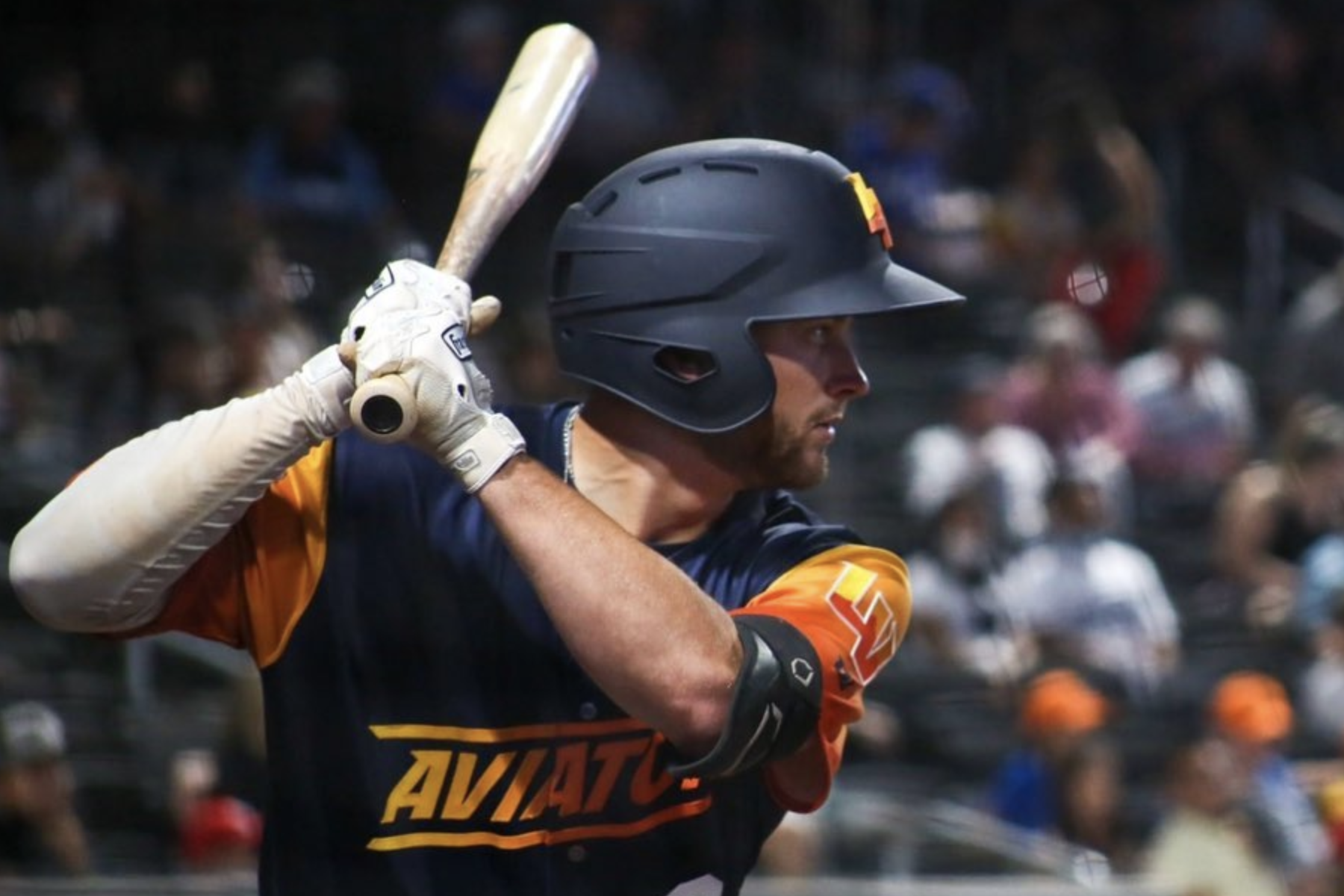 Interested in submitting your own FanPosts? Leave a comment on this article with your preferred email address and we will set things up! Happy Thanksgiving to everyone! Despite some reports from major league scouts (Kevin Barral’s on X), Miami’s minor league player of the year Troy Johnston will probably be gone in two weeks after he was left unprotected for the coming Rule 5 draft to be held on Dec. 6th. The Marlins will still need good offensive players, preferably those who can play 1B and OF. Would be a plus if is a left-handed bat who can also come off the bench. After hearing what Mr. Bendix has said so far since joining the Front Office, and more importantly, Skip Schumaker’s interview with the Fish On First staff a couple of days ago, there is little doubt about this team will continue to have a limited budget, or as they call it “maximise the dollar value” or “this is just who we are." The current Miami Marlins 40-man roster has 37 players, which leaves room for scooping some hidden gems. Over the last five Rule 5 drafts (2021 was cancelled), Miami has picked up 6 players, and despite results hasn’t been exceptional, players like Elieser Hernandez or Zach Pop (acquired via trade right after drafted by ARI) outperformed everyone’s expectations. At the minor league phase of the draft, Miami has also selected decent players such as Dane Myers and Charles Leblanc. Let’s now have a look at a handful of offensive players who can make sense to be added to the roster. Looking at the numbers only, Johnston stands out as one of the best players unprotected, which leaves not many options for who can be more impactful than him in the upcoming season. Chris Williams (AAA, MIN)–Has an interesting profile with strengths and glaring weaknesses. Last season he was mainly at 1B (60 games) but also caught 215 innings (25 games) for St. Paul, where nailed 6 base-stealers out of 35 (17%). His stats suggest power (.259 ISO and 21 HR) and patience (13.4% BB), but also tons of K's (32.4%). Williams has nothing else to prove in AAA, helping with some depth in the already thin catching position. https://sporty-clips.mlb.com/fdbab6bb-9830-4916-b530-513560752e3c.mp4Tristin English (AAA, ARI)–Another not-young, versatile, right-handed power bat able to play 1B, corner OFs and has previous experience at 3B. English had a fine all-around season for Reno (.894 OPS/114 wRC+) with better-than-average walking and K rates. A back up plan for Bryan De La Cruz and Josh Bell in case of an injury but can also be a solid bench piece. Max Schuemann (AAA, OAK)–The highly offensive environment at the PCL sometimes makes you wonder if a player is legit, especially if a needy team like Oakland kept him the entire year in Las Vegas despite his good general numbers. Max had a nice .831 OPS/109 wRC+ while playing mainly CF and LF, he can play SS on a pinch. Tirso Ornelas (AAA, SD)–The Tijuana native is a left-handed bat who can play both OF corners. He is more or less the same type of player as DLC but with less power, though he’s still 23 and scouts grade him as 55 raw power prospect (20-80 scale). Ornelas makes good contact (.348 BABIP), has oppo power and good BB and K rates. He was named one of the Padres’ organisation All- Stars. Trenton Brooks (AAA, SF)–Another left-handed corner OF option who can play 1B. Brooks is the closest to Johnston you'll find at this year’s draft. He is already 28 years old and has played in AAA over the last 3 seasons, which might be a red flag. Both BB and K rates have been 14-18% since 2021 and this season launched 23 HR in 523 PAs between Las Vegas and Sacramento. https://sporty-clips.mlb.com/0be74764-65a4-4ae9-9faf-b5b9e9824b74.mp4There are some pitchers, both relievers and starters, who can be interesting additions to the team but improving the current lineup is the most important goal today. Nevertheless, next Friday’s post will cover some names for that matter. There is little indication that the Marlins will actually select any pieces for the major league roster, but with some open roster spots, at least one addition can make sense. Which target(s) looks better to join the big-league team? Maybe a name or two are missing here? Please comment! Photo courtesy of maxschuemann/Instagram
 -
Should the Marlins bring Nick Martinez home?
Hans Herrera replied to Kevin Barral's topic in Miami Marlins Talk
Martinez would be a great addition to the Marlins, but like Kevin said, there will be plenty of competition to get him. I think the Fish can be comfortable with the AAV to get him, but maybe not sure about the length of the contract. MLB trade rumors predicts he can get 2 years, $25 million... maybe adding a nice 3rd-year mutual option with a home discount? -
The fact that the Yankees have only one proven LH reliever (Nick Ramirez) creates the perfect scenario for a C - LH reliever trade. They just need to figure out the names involved. I'll be happy to take Rortvedt + another low-key prospect for Okert or even Simpson for Higgy... or some kind of trade in that range. I am definitely not very accurate when it comes to trades, and it's been a long time since I stopped believing in baseball trade values... But for a reference, here are the Median BTVs: Rortvedt: 0,1 Higgy: 4,5 Trevino: 6,1 Wells: 14,8 Ramirez: 2,3 Narvaez: Not on the list _____________________________________________ Scott: 9,1 Nardi: 9,7 Puk: 15,1 (Really?? I think Nardi should have more value, but I guess the saves count) Okert: 2,5 Simpson: Not on the list, but should be similar to Maldonado (0,5)
-
There is a FanPost analysis about the same subject: https://fishonfirst.com/fanposts/marlins-offseason-needs-catcher-2023-24/ Of all Free Agent catchers, I think the one that realistically can join the team is Victor Caratini. He is a competent catcher who can handle a good pitching staff and won't be expensive to sign, apart from being a local in Miami. Personally, this would be my priority list to address the position: 1. Caratini 2. Riley Adams (trade) 3. Grandal 4. Higashioka or Rortvedt (trade) 5. Sánchez Adams would be tough to get since he had a good season and many years of club control, but both Higgy or Rortvedt are more or less doable.
-
I really like Nasim, he reminds me of Juan Pierre. But I think he won't be claimed and wouldn't hurt him to spend a season in AAA. I would have given him a roster spot over Sixto in a heartbeat.
-
The perfect scenario for a meme: 1. The Marlins struggling this offseason signing a cheap backup 1B, a cheap bench-LH bat, and a cheap platoon OF for DLC. 2. Khaby Lame meme showing Troy Johnston picture. I really would like to think they will do everything the can to sign Bellinger... But that's a clown statement.
-
That sentence had a huge part of sarcasm. They are supposed to know better than all of us since they have all the required information at the reach of their hands, but there is no other explanation to think why for example Sixto or Groshans have a roster spot over Johnston. Draft picks over the last 5-ish years only confirm that this organization needs a profound renovation from bottom to top, and this roster decision is yet another example of the gigantic transformation Mr. Bendix has to face for the next couple of years.
-
View full article
-
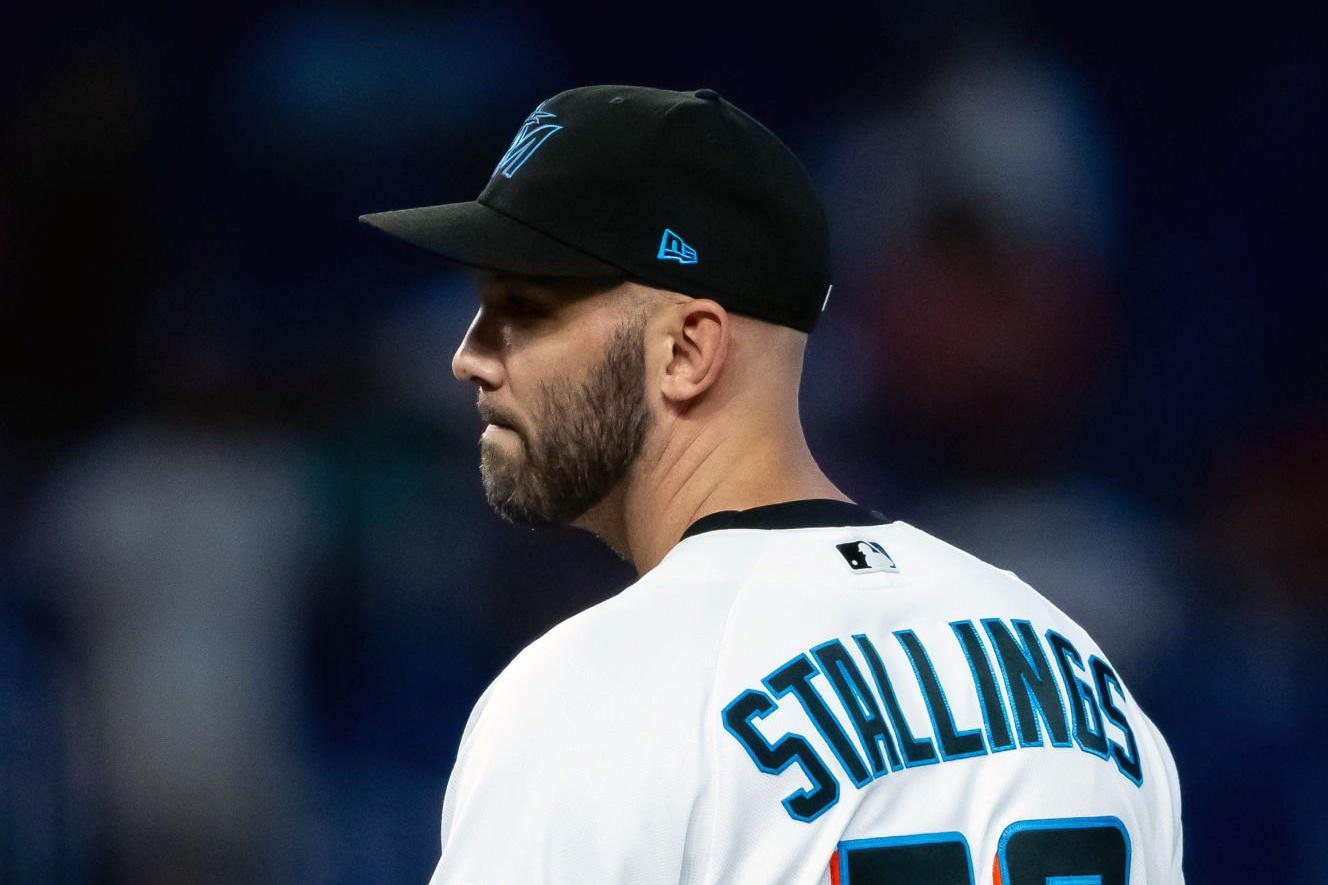 Interested in submitting your own FanPosts? Leave a comment on this article with your preferred email address and we will set things up! At the end of this post, there is some rant about the Rule 5 protection deadline. Let us get through what is factual right now and then we can vent later on. After going through the main needs for next season, namely C, SS, and SP, the Marlins cleared the air a bit more this week by protecting some of their Rule 5-eligible minor leaguers. On Wednesday, the Marlins decided to include on their 40-man roster Anthony Maldonado and Victor Mesa Jr. These moves can give us a better understanding of how the FO is going to approach the rest of the offseason. https://fishonfirst.com/news/marlins-select-victor-mesa-jr-anthony-maldonado/While some other roster fronts can be upgraded (RH reliever, LH bench bat, defensive OF), efforts will probably be now focused on improving the backstop position, acquiring a starting SS, and potentially an innings-eater SP. Offering contract extensions to core players should also be on the agenda, but fans never know what to expect from the shallow-pocketed Chairman (far from being true, Sherman). Let us work with what the team has today. The official roster breakdown for the current 40-man is the following: Starters: Sandy Alcantara, Jesus Luzardo, Braxton Garrett, Eury Pérez, Edward Cabrera, Trevor Rogers, Max Meyer, Ryan Weathers (8) Relievers: Tanner Scott, Andrew Nardi, A.J. Puk, Steven Okert, Huascar Brazoban, JT Chargois, George Soriano, Anthony Bender, Bryan Hoeing, Sixto Sánchez, Josh Simpson, Anthony Maldonado (12) Catchers: Nick Fortes, Jacob Stallings* (2) Infielders: Miguel Amaya, Luis Arraez, Josh Bell, Jon Berti, Jake Burger, Xavier Edwards, Jordan Groshans, Garrett Hampson (8) Outfielders: Peyton Burdick, Jazz Chisholm Jr. Bryan De La Cruz, Avisail Garcia, Victor Mesa Jr., Dane Myers, Jesus Sanchez (7) Designated Hitters: None. For a total of 37 players, that leaves 3 spots available ahead of the Rule 5 Draft in early December and the rest of the offseason. As countlessly mentioned, there are flagrant improvement opportunities at C and SS. Another SP is highly recommended, as is another RH reliever. In the hypothetical case all those positions are fulfilled with players from other organizations, which players are now the most probable to lose their roster spot? A friendly reminder that later today (Friday 6:00 p.m ET) is the non-tender deadline, where the Marlins face some decisions. They might have one or two extra roster spots available afterwards. Based purely on performance, Stallings is the most obvious candidate to be non-tendered even though his contract is not particularly expensive. After him, other non-tender candidates are Sixto, Okert, Groshans, and Burdick. Sixto probably threw his last pitch within the organization after showing an 85-mph fastball in this past season. That is the only inning he has thrown in a professional game over the last 3 years. There is no reason to keep protecting him and most probably no team will claim him to offer a ML roster spot. As a fan, one really wishes Sixto can come back, but awarding him a roster spot at this point is indefensible. Peyton Burdick had 37 PAs this season in Miami, striking out 18 times. While he still hit 24 HRs in Jacksonville, he also punched out at a staggering 36.6% rate. It is very difficult to defend such production but to be fair, he didn't get an extended evaluation with the big team. All hope was lost when this season Jazz got injured of a turf toe and the FO decided to bring Davis from Detroit, knowing that Burdick could man the position. Jordan Groshans' prospect pedigree fell off a cliff after 2021. He was highly regarded while in Toronto, and the Marlins learned the hard way why the Blue Jays weren't bothered that much by trading him away. He hit 6 homers in 460 ABs this season, and his OPS finished the season at .669. With some depth in the positions he can play (3B and 2B), his roster spot is simply put, unjustified. In the unlikely scenario that the Marlins need another roster spot, Okert is probably the odd man out in a highly effective, heavy LH bullpen that also includes Scott, Nardi, Puk and potentially Simpson. He didn't have a terrible season (4.45 ERA in 58.1 IP with 73!! Ks and inducing a lot of weak contact), but other teams would value him more. Okert is entering his first year of arb projected to make a mere $1.2 M. Speaking of Simpson, himself might not be completely ruled out as a DFA candidate, ditto for Myers, however unlikely in both cases. Rule 5 Protection Deadline None of us can grasp what happened on Wednesday. The Marlins had 5 roster spots available to protect Rule 5-eligible prospects. The sure thing for all of us was to include Troy Johnston, with Maldonado as the distant secondary priority. After them, Mesa Jr., Will Banfield, and Nasim Núñez were the other realistic possibilities. Instead, the Fish chose to protect only Maldonado and Mesa Jr., leaving us in disturbing awe. Why not protect Johnston? The message this organization sends to any minor leaguer is that, you can crack your back an entire season and even win the Organizational Offensive Player of the Year, but that won't guarantee you an ML roster spot. Perhaps they know something about him that we don't. My humble opinion is that, even if he cannot hit MLB pitching, he deserves a roster spot over at least 5 players currently on the 40-man. To the eye of the inexperienced, it makes no sense. But again, they know better for sure. It is almost certain that any of Oakland, Washington, Pittsburgh, or even Detroit will claim Johnston in a couple of weeks; not so sure about any team claiming Banfield or Núñez, though. Can the strategy be preparing to "steal" some unprotected prospects from other organizations because they don't fully trust their own? Next week we will analyze unprotected Rule 5 prospects across the league that can be useful next season and worth considering for the Marlins if still available at their draft position. Having that many roster spots available is probably the silver lining of such a poor minor league system. Comments are much appreciated and see you all next week! Photo by Kelly Gavin/MLB Photos
 -
I thought Brown was a great signing last season, but the Marlins still ranked in the bottom half in many offensive categories. The team showed some improvement, though. As a coach or manager, continuity is very important and he should have continued with the team. Now just promote the batting coach from the Jumbo Shrimp.
-
View full article
-
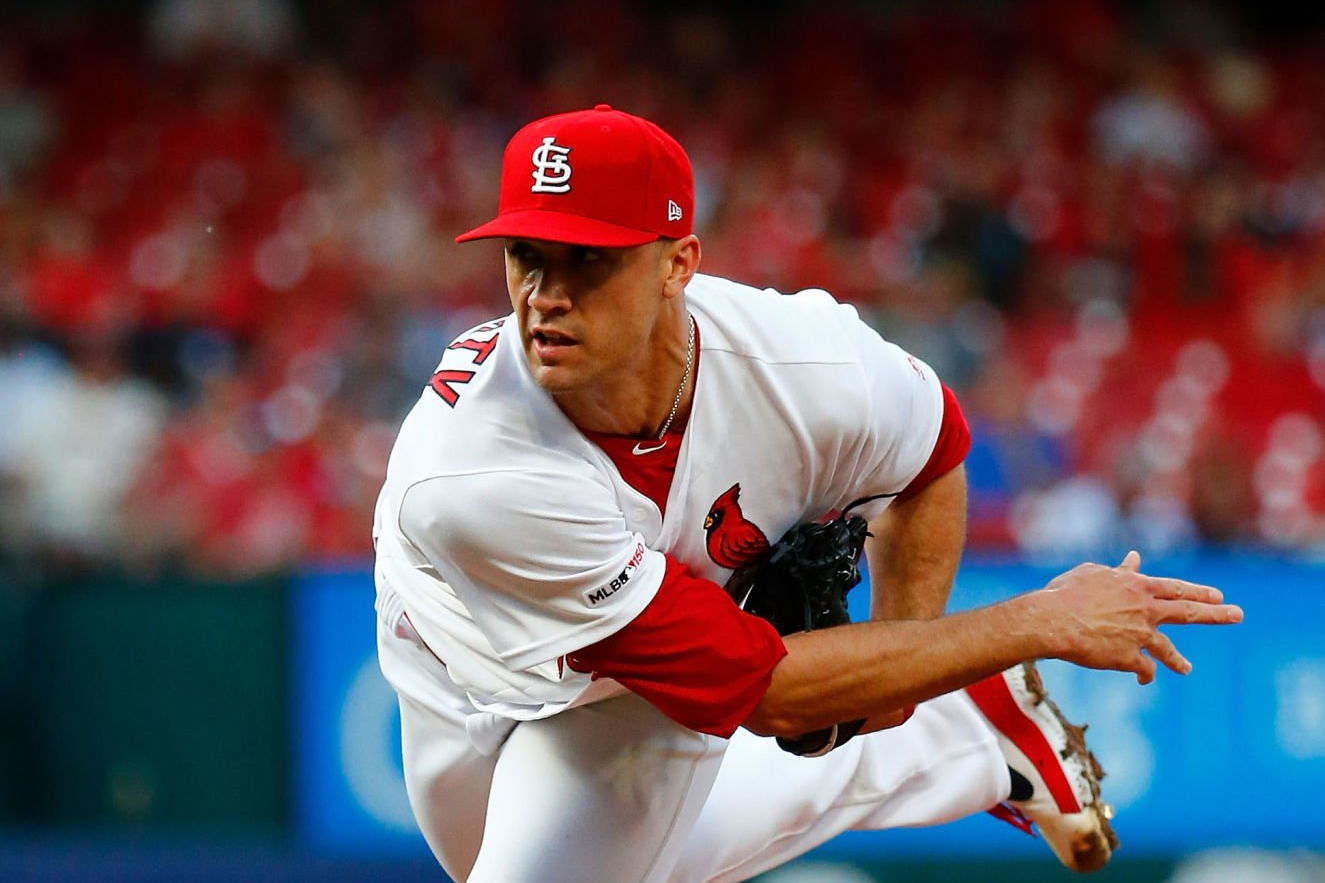 Interested in submitting your own FanPosts? Leave a comment on this article with your preferred email address and we will set things up! In the third installment of the Marlins' offseason needs series, starting pitcher is about to step to the plate. After addressing two obvious pressing needs for the coming season, acquiring a SP is less urgent given the number of internal options currently on the team, though both injuries and inconsistencies still make us think that a dependable arm is probably a good idea. https://fishonfirst.com/fanposts/marlins-offseason-needs-catcher-2023-24/https://fishonfirst.com/fanposts/marlins-offseason-needs-shortstop-2023-24/Let us start with what is in place as of today. Without Sandy Alcántara next season, Jesús Luzardo, Braxton Garrett, and Eury Pérez are locked as starters. Then the team has Edward Cabrera, who had an up-and-down season but finished more or less on a high note. After him, Trevor Rogers and Max Meyer come to mind, who were absent all or almost all of the entire 2023 season. Lastly, Ryan Weathers' debut in Miami was not ideal yet he left a good impression in that outing vs. the Pirates in the last game of the regular season. There are another 2 or 3 options in the organization, but they'll be discussed later. There are so many questions about that group. Will Eury be ready for a full season (170-180 innings)? Will Eddy's unsustainable walking rates continue to prevent him from being a reliable starter? Are Rogers and Meyer going to be on an innings limit next year? Is Weathers once and for all ready? So much uncertainty is the main reason why the team's brand new POBO, Peter Bendix, might be pressed to acquire a so-called "Innings Eater." As in previous FanPosts, let us explore some names in different categories available. Free AgentsContrary to what both C and SS have to offer this offseason, the list of available starters via free agency is deep. Unfortunately, great options will come too expensive for the always frugal Marlins, which means you can forget about the Ohtanis, Yamamotos, Nolas, etc. Allow me to present you 5—in my opinion—very realistic options for joining the Fish next season: 1. Michael Lorenzen—coming from a mixed-bag season where he was pretty solid with Detroit, but faded away after some great starts in a Philly uniform. Never an innings eater, he reached a career high 153 frames last season. He will turn 32 soon and will be looking for 2 or 3-year deals, maybe in the $12-15M /yr range, which is affordable for the FO. He also has extensive experience in the bullpen and can turn into a swingman if the youngsters improve their game. https://mlb-cuts-diamond.mlb.com/FORGE/2023/2023-08/03/05702b98-99181859-3cb54351-csvm-diamondx64-asset_1280x720_59_16000K.mp42. Kyle Gibson—the ultimate back-of-the-rotation, all-innings-you-can-eat, I-don’t-care-about-your-5.00-ERA guy. He did exactly that last season piling up another 192 innings for the O’s at a much better than Cueto’s 4.73 ERA. He did that during his 35 years old season, netting $10M. Since he already turned 36, he can get maybe a two-year at around the same price tag. 3. Kenta Maeda—roughly half a year younger than Gibson, Maeda offers less durability but more quality than the previous suggestion. One can think that Maeda will get a similar contract as well, probably a tad higher AAV. 4. Jack Flaherty—the Cardinals—and to be fair, most of the baseball world—expected Flaherty to become the next Waino in St. Louis. Never panned completely out but everyone can see he has the stuff and makeup to be a top rotation guy. I place him 4th here because he just turned 28 last month and even though he should be looking for a short-term redemption contract (like Bellinger this year), some teams will offer him $15M+ annually with multiple opt-out clauses. That can be a bit outside the price limit for the Fish, but hey, still doable. Makes a lot of sense for both parties even with the injury history behind him. 5. Wade Miley—another 36-year-old with some injury history. Miley has a notorious pattern: Starting in 2017, he is throwing 120+ innings in odd years, while 80 or less in even years. Kind of weird, nah? But still, his ERA over the last 3 years have never been above 3.37. Another swingman profile cheaper than Seth Lugo or Nick Martinez. Unconventional Free AgentsThis subset of pitchers were not in the big leagues last season, but had great results in foreign leagues. All of them are drawing attention to some extent. 1. Erick Fedde—the longtime Washington National jumped over the pacific ocean last offseason looking for a different approach to his arsenal and it paid off, having one of the best seasons for a pitcher in the Korean League ever: a sharp 2.00 ERA in 180.1 IP, coupled with 209 K. Maybe a one-year guaranteed deal with a second -ear option for less than $10M AAV can lure him to come back stateside. https://mlb-cuts-diamond.mlb.com/FORGE/2021/2021-08/24/2897fdba-67391e32-c4a314ab-csvm-diamondx64-asset_1280x720_59_16000K.mp42. Trevor Bauer—the always controversial Bauer is reportedly receiving tons of attention lately. After settling the sexual harassment allegations brought against him, he looks ready to make a comeback. He had a 2.59 ERA in 156.2 IP for Yokohama in Japan. Is Bauer a good fit for Miami? 3. Yariel Rodriguez—the Cuban-born also pitched very well in Japan but last pitched in 2022. His contract can definitely be in the Marlins range but he never threw more than 96 innings in the last three seasons, therefore probably not the best fit. Spring Training Invitees with Intriguing ProfilesBetting on Mel’s magic to help them taking a step further in their rough careers. None of them should come expensive. 1. Brad Keller—a talented starter through the Royals system who showed some promise. Keller pitched more than 130 innings in both 2021 and 2022, allowing more than 5 ER per 9. This season he suffered a should injury in May but made it back with the team in September, pitching 2 innings as reliever, finishing the season with 45.1 IP and a 4.57 ERA. 2. Chris Flexen—after back-to-back solid seasons in 2021-22, Flexen’s production plummeted this year. He’s still capable of providing 100+ innings of 5.00+ ERA, still younger than 30 and can contribute both as either starter and long reliever. 3. Jake Odorizzi—missed the entire season due to a shoulder injury, which is a big red flag. However, this can be a low-risk, high-reward move if he proves to be healthy. Odo has been around average starter over the last decade, and may look for a short-term deal with lots of incentives based in appearances or innings pitched. Trade TargetsIt is very difficult to find a team with a surplus of SP, in fact, the Marlins might be one of them. It is even more difficult to name a specific trade target, so the focus is turned into teams instead. Here three potential trade partners for starters are presented, adventuring to propose the best trade target in each case. One more thing, if the Marlins are going to pull a trade, the area where they have kind of a surplus is pitching. That means, trade targets here must be acquired over a pitching-pitching swap. With a very decent bullpen last season, one can think the Fish can consider trading pieces like JT Chargois, A.J. Puk or even Tanner Scott. 1. Cleveland Guardians are the AL version of the Miami Marlins: lots of young controllable starters working for a below-average offensive team. Entering his last year of arbitration, Shane Bieber can be intriguing for a team like the Fish as well as for every other team. He made $10.1M this season and should get a rise in his last year of Arb, an affordable rise for the Marlins. After him, Cleveland’s depth chart has 7 potential starters. 2. Toronto Blue Jays have the best quartet in the big leagues is pretty much safe: Gausman, Berrios, Bassitt and Kikuchi are almost locks, barring injuries. After them, the Jays have some interesting options, that’s a reason to believe they can listen to offers for Alek Manoah. (With all due respect, Manoah reminds me a lot of the late José Fernández.) 3. The Seattle Mariners are the most loaded team in terms of SPs, they have already 7 starters in their depth chart while Robbie Ray should be ready to join them this coming Spring Training. Marco Gonzales is clearly the odd man out and by making $12.25M next season with a team option of $15M for 2025, the Marlins would be doing the Mariners a favour. As a matter of fact, a Gonzales/Avisail García trade is not a terrible idea for either team. Internal OptionsSeveral Marlins players were mentioned at the start of this post as leading candidates to cover all the rotation spots. Beyond them, there are a few other players who made progress this year and can be stretched as starters for some spot starts, but clearly not for a full season. George Soriano and Bryan Hoeing were solid coming out of the bullpen, and even starting one and seven games, respectively. Jeff Lindgren started 17 games for the Jumbo Shrimp and can get a shot if some injuries happen. Chi Chi González, Devin Smeltzer, Daniel Castano, and Enmanuel De Jesus all left the organization already via minor league free agency. Next week we’ll discuss the 40-man roster construction right after the Rule 5 protection deadline. What do you think? Comments are always welcomed. Photo by Dilip Vishwanat/Getty Images
 -
FanPost: So, what now? Keep swimming.
Hans Herrera replied to Hans Herrera's topic in Miami Marlins Talk
This FanPost is aging quite well! Bell is back, Soler is gone, and the FA money seems reasonable. Let's see what Bendix does with a limited yet interesting budget to assemble a competitive team. -
View full article
-
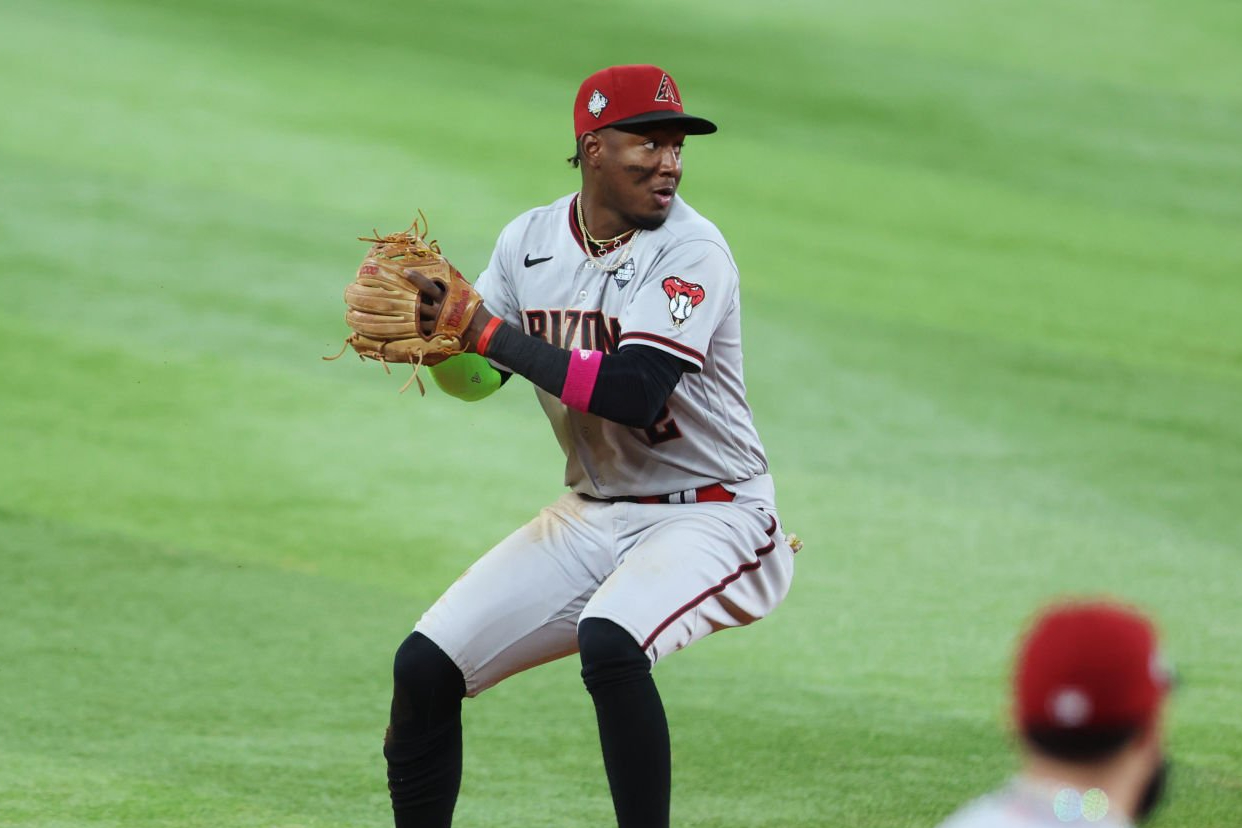 Interested in submitting your own FanPosts? Leave a comment on this article with your preferred email address and we will set things up! With their brand-new World Series title, the Texas Rangers have officially opened the offseason. Congratulations to all those Texas fans whom had waited more than enough for the glory. This post comes also after Jorge Soler opted out, but we were all expecting that, right? Now, in case you missed it, an analysis of the catcher situation was presented last week. Today, another pressing need will be discussed: shortstop. During the season, Joey Wendle played 107 games in the position, by far the most for any player on the roster, followed by Jon Berti (64 games), Garrett Hampson (30), and Jacob Amaya (3). Playing Wendle as their main starter hurt the offense badly. This season, the Marlins ranked last in the MLB in OBP, SLG, and OPS from the position, while ranking no higher than 24th (AVG) in any offensive statistic. Wendle is now a free agent and it is improbable the Fish will bring him back. By using the same approaches as in the previous post, let’s analyze how to get better this offseason. Free Agents (5)This is probably the weakest class of free-agent SS ever. Here is the list of players available, and none of them can be seen as a substantial improvement over Wendle. Nevertheless, here are some potential players to be considered: Amed Rosario: He led the group with a 89 wRC+ in 2023 and is the youngest of all available players at the position (turning 28 later this month), and that’s about it on the positive side. In his profile there is no skill that jumps off the chart: he is a fast runner, poor fielder, who doesn’t strike out that much. Over the last 3 years, he has had an xBA over the 70% percentile, suggesting some bad luck. He is capable of providing a .270/.310/.400 season, which is acceptable but unenticing. https://mlb-cuts-diamond.mlb.com/FORGE/2023/2023-04/23/a4af6327-0b16deef-41c96f45-csvm-diamondx64-asset_1280x720_59_16000K.mp4Elvis Andrus: Has more or less the same profile as Rosario, but the differences are that Andrus is not a terrible fielder, and at 35, he’s not fast anymore. Andrus had a nice bounce-back season in 2022 but seems like it was a fluke. Andrus is not an everyday SS anymore. Kiké Hernández: He is still 32, can play any position except P and C, and had a great season only two seasons ago, but like Andrus, he is not an everyday solution there. You can peg him in the same player profile as the previous two. Paul De Jong & Nick Ahmed: The list is so bad, that you have to consider players who batted a bit less terribly than Wendle, but their defense can play every day. Both DeJong and Ahmed ranked as Top-90% percentile SS last year in OAA, and are average or better in DRS. Then comes the bad news: a wRC+ of 66 and 51, respectively. There is a list for shortstops with min 200 PAs last year, out of 49 qualified players, Wendle ranked last in wRC+, while DeJong was 42nd and Ahmed 47th. Enough said. Trade Targets (5+2)Using the same two premises from the previous Post: there should be some kind of excess of the position on the other side of the transaction, and awareness of the Marlins do not possess a lot of trading material, so forget about blockbuster trade targets. Here are some potential trade candidates: Geraldo Perdomo: The D-backs just won the National League pennant, so why would they trade their starting SS? There are some realistic reasons to think about. Starting the season, Perdomo shared the position with the aforementioned Ahmed because even though Perdomo is a switch hitter, he has no power batting righty, resulting in a wRC+ of 62 compared to a 105 when batting lefty. The Perdomo-Berti split platoon would be a great way to address the six. In addition, Arizona has uber prospect Jordan Lawlar and MLB-ready Blaze Alexander already on the 40-man roster, so the team can go more or less the same route the Astros went with his Peña after Correa. Behind Gallen, Kelly, and Pfaadt, Arizona has more questions than answers when it comes to SP. If the Marlins can convince the Snakes, maybe another Jazz-for-Gallen-type trade can be on the table. Maybe they were one starter away from winning it all. Luis Rengifo: There is some hesitancy about Rengifo being able to play SS, as he is ranked below-average defender when manning the position. However, the Angels’ farm system is even worse than the Marlins, and they are always kind of desperate for pitching, especially now after Ohtani not pitching next year, whether he is back with the team or not. Their roster has also Zach Neto, Livan Soto, and Kyren Paris on the roster, all young and capable, making Rengifo somehow expendable. Jorge Mateo: So many times the Orioles look like the perfect trade partner for the Fish. Mateo is an OK fielder with tons of speed but lacks hard contact and strikes out more than enough. His splits vs LHP are above average and he is due to reduced playing time because of Henderson and Ortíz, not to mention that Jackson Holliday shall be ready at some point mid-next season. Ortíz (more about him later) is another trade candidate if they decide to keep Mateo. Tommy Edman: The same reasons a trade for catcher Iván Herrera can apply for Edman. The Cards don’t HAVE to trade him, but they need a lot of help when it comes to pitching. They also have Masyn Winn as a starter late in the season and Brendan Donovan, capable of playing there. Finally, Kyle Farmer: He is not a natural SS, but he played OK in 40 games there last season. The Twins have Correa, Lewis, and Lee coming next season. Farmer will not come expensive, as next year is his last one for arbitration. Another two players that can somehow be traded are Ezequiel Duran (TEX) and Kevin Newman (CIN), but they are also better suited as utility players. Newman in particular is a strong trade candidate since the Reds’ infield is LOADED, with Noelvi Marte as the next prospect up. Out-of-the-box options (5+2)Here is where the front office gets “creative” (even though there is no front office at the moment). Some Rule 5 draft targets are considered. Anderson or Báez-for-García trades: Swapping ugly contracts has become popular in the last few years. Even though Tim Anderson had a KO-year (both figuratively and literally), he is still one year away from being an All-Star. The trade with Javi Báez is just not happening, but if the Tigers are desperate and send at least $70 M back to Miami, then they can talk. José Barrero (CIN): Remember that the Reds’ infield is loaded? Well, there is little to no hope for Barrero reaching the big leagues on a regular basis if he stays with Cincinnati. Barrero hit 19 HRs with Louisville in 2023, had a wRC+ of 110, and .873 OPS, and also has played a handful of games at SS over the last 4 seasons in the big leagues, but never posted an OPS+ over 67. Looks every bit like an AAAA player, but maybe a change of scenery can help him out. Ernie Clement (TOR): Another player with some experience in the big leagues but somehow blocked within his organization. Clement had a tremendous cameo this past season, posting a 144 for both wRC+ and OPS+ in 52 PAs, but he’s still blocked by Bo Bichette and top prospect Orelvis Martínez. Alika Williams (PIT): Williams posted a .915 OPS at AAA, so the Pirates gave him 112 PAs late in the season, producing a 43 wRC+. Not encouraging, but he is blocked by Oneil Cruz, Marcano, and Peguero. Joey Ortiz (BAL): Barring injuries, Ortíz has no chance of competing with Henderson, Holliday, and Mateo. He was excellent in AAA this season (121 wRC+, .885 OPS), getting him into the big team for 34 PAs, and producing an ugly 26 OPS+. Davis Wendzel (TEX) and Weston Wilson (PHI) are a couple of Rule 5 draft eligible who don’t really have much else to prove in AAA, but won’t get a chance to reach the big team. The former hit 30 HRs this season but comes with a low BA. The latter was rewarded with 22 PA this year in Philly, having led the International League with 31 HRs this season. At 29, seems unlikely that he will get a fair chance, so profiles as a depth piece. Internal Options (5)The dreadful Wendle output obliged Skip Schumaker to bet on Berti and Hampson to cover the SS during the last week of the season, while the Wild Card berth was on the line. The bet paid off, especially from Berti, who went 10-for-19 and hit 3 homers in that 6-game span. Counting both players, they had an unsustainable output of .368/.500/.684 with a wRC+ of 216 during those games. Both ended the season with an wRC+ just above replacement level, 103 for Jon and 101 for Hampson. However, this is a friendly reminder that both players are better suited for the utility role. Berti is slightly the better defender with +3 Outs Above Average and +1 DRS, while Hampson qualified for -1 OAA and DRS +3. Out of 68 SS with a minimum of 50 attempts at the position, Berti ranked 17th while Hampson was 41st. Berti will be 34 next season and is due to some regression. Hampson had some stints where he didn’t hit at all. Are the Marlins ready to trust a pivotal position to the them two? Jacob Amaya is already on the 40-man roster, but despite having hit 15 HR this season with the Jumbo Shrimp, he still ranked below average in terms of wRC+. Amaya seems every bit like Miggy Rojas 2.0, and that’s absolutely fine considering none of the options above is extremely exciting. Jazz Chisholm Jr. would be returning to the position he was developed in his minor league career. Jazz started awkwardly in CF, but looked more and more comfortable along the season. It will not require a huge challenge for him to come back to the infield, but in the innings he has spent there, his ranks peg him as a below-average fielder with -9 OAA. Nasim Núñez needs to be added to the 40-man roster during the Rule 5 draft. There is some chance that he will, but most probably Nasim will be left unprotected and no other team will claim him, and the reason is simple: he still profiles as a glove-first bench-utility infielder, and there are tons of them. He should join the Jacksonville team next season. That is 20+ realistic options to address the SS blackhole the Fish suffered from last season. Would be nice to hear from you what would be your route moving forward. Photo by Rob Tringali/MLB Photos
 -
Offishial news, 11/3/23: So long, Soler; vote for Nuñez
Hans Herrera replied to Ely Sussman's topic in Miami Marlins Talk
Of all those players mentioned in the Marlins Maniac article, the only one I say would be a good addition is Victor Caratini. Anderson would be a good option if the White Sox decline the club option, but that one is hard to take given the weak free-agent SS list this winter. Belt can also be interesting but I rather give a chance to Johnston. -
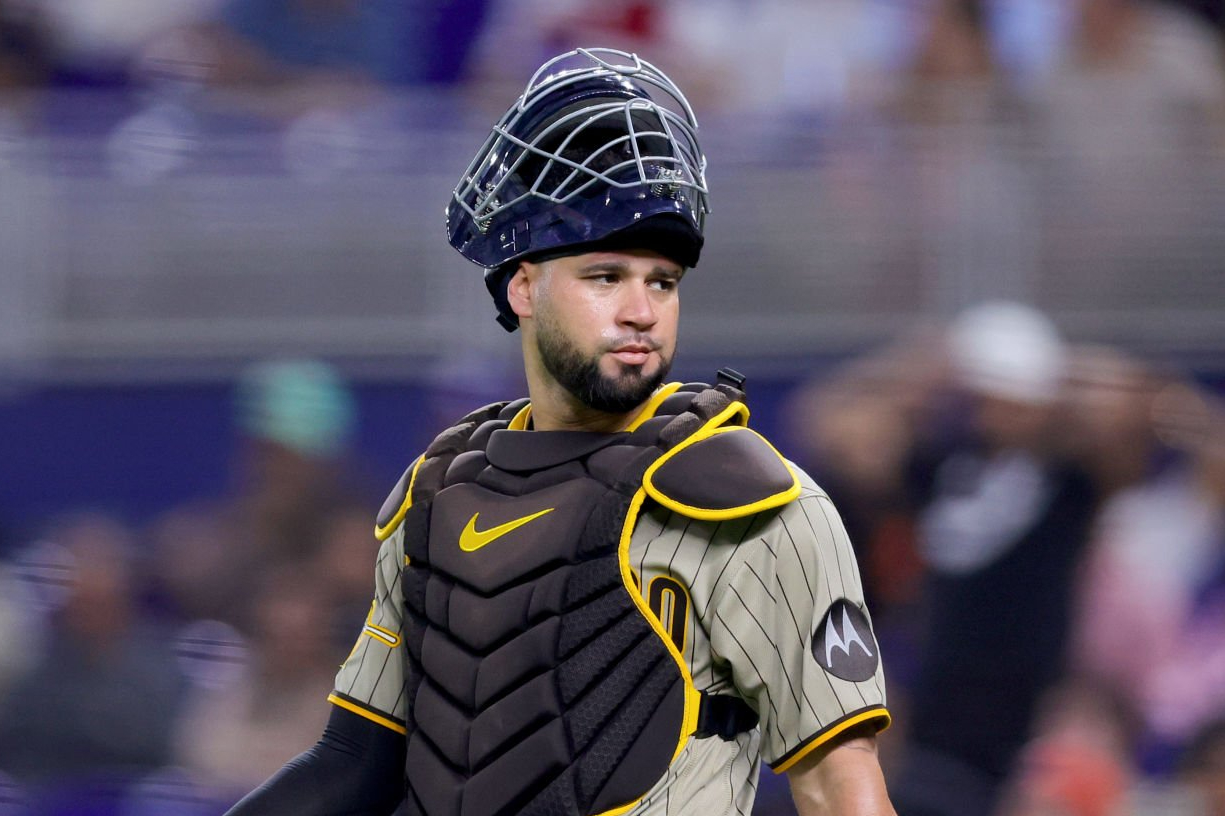 Interested in submitting your own FanPosts? Leave a comment on this article with your preferred email address and we will set things up! In 2023, the Marlins had the worst catcher tandem in baseball when it came to offensive production. Although there are not many complaints about the other side of the ball, their slash line was so bad that to stay put would be catastrophic. Nick Fortes had a mixed bag regarding defensive metrics. Out of 63 qualified catchers, he ranks 3rd in blocking and 22nd in framing, but 50th in throwing and 70th in pop time (out of 81 C's). That means, he is doing fine with his glove, but well below average keeping base-stealers in control. FanGraphs ranks him 15th out of 78 catchers in DEF. However, Nick had a year to forget with the bat. Last year he showed some promise and so in early 2023, his slash line was .250/.300/.351 by June 21, which was his highest OBP for the rest of the season. Right after that day, he went into a 0-for-23 slump and his OBP never reached .600 again. He finished the season with a .204/.263/.299 with 6 homers and 26 RBIs in 323 PAs, bad for an ugly +52 OPS. Nick is pre-arbitration eligible and even has two options left, so there is no rush to cut him loose. Jacob Stallings wasn’t good at hitting nor catching. Although he ranked 12th in Blocking, he also went 44th both in throwing value and pop time (out of 81), and 56th in Framing. His cause got even worse every time he stepped up to the plate. His final slashline was very similar to Nick’s: .191/.278./.296 with 3 homers and 20 RBIs in 276 PAs, yielding a +54 OPS. Stallings also pitched 8 innings in blowout games allowing “only” 4 runs and 1 K, but that one remarkably being over Ronald Acuña Jr. https://www.instagram.com/reel/CsbghJJp74R/?utm_source=ig_web_copy_link&igshid=MzRlODBiNWFlZA==MLB Trade Rumors projects his arbitration salary to be around $3.6M, which seems steep for his overall contributions. There is a consensus about Stallings being non-tendered, and the decision is surely not because of the sum, but purely because of the added value, or the lack thereof. Let us explore some options for improvement. Free AgentsHere is the list of pending free-agent catchers this offseason. Unfortunately, good quantity but not a lot of quality. Each of them have some type of caveat that makes one wonder if they can actually fix the current problem. The list is into three categories: 1. Best optionsThis group can grab the main job because of their overall profile, pushing Fortes into a backup role. Mitch Garver: This is the best option for teams that are looking for a bat-first catching option. He does have some injury history and he is not particularly good with his mitt, but after a season hitting .270/.370/.500 with 19 HRs and 50 RBIs in 344 PAs, he should get the largest contract by AAV of his career. It is improbable that the Marlins will beat other richer teams for his services, like Texas or San Diego, for example. Tom Murphy: Another bat-first, often injured, poor glove option, who strikes out a lot but comes with a lot of power. Over the last 4 seasons, he has accounted for an OPS+ of 128 or more in three of them, being 2021 the exception (84 OPS+), when he had a career-high 325 plate appearances. That can tell you something about his durability. Victor Caratini: A well-rounded catcher with some mixed marks in both offense and defense. Caratini just turned 30, and he’s the youngest of the free agents here mentioned. Since he is not particularly good at anything, shouldn’t be expensive. Expect a .650-.700 OPS guy with fine pitch framing. 2. Solid if duties are sharedNot good nor terrible bats if they can split the starting role. Yasmani Grandal: Despite a great season in 2021, his best days are well in the past. He can be a solid backup catcher with OBP skills and occasional pop. He still blocks and frames well but has one of the most ineffective arms for catchers in the MLB. Diminishing his workload can be good for him (caught 92 games), and some reps at DH will help with that. Gary Sánchez: Surprisingly, Sánchez had good defensive marks this past season, and he has always been known for hitting the ball hard…when he hits it. Expect tons of K's, not many walks, but also, some mammoth home runs. Sounds a lot like Jorge Alfaro with better framing/blocking. 3. Glove-first backupsThey won’t produce much better than Stallings, but their defense will cover some of that. You bring them if your bet is on Fortes having a bounce-back season. Austin Hedges: Ever since Hedges broke into the big leagues, he has been one of the best defensive catchers in the game. Despite being 31, he still ranks above average or well above average in most catching metrics. His bat, though, produced a 24 wRC+, the lowest for any batter with 200+ PAs. (Side note: On that list, Wendle is 6th, Segura 9th, Fortes 11th, and Stallings 14th. How did the Marlins even make the postseason?!) Martin Maldonado: The Astros main catcher will be a Free Agent after the World Series, with Houston probably transfering the main catching duties to Yainer Díaz. Maldonado had a great season behind the dish (except for framing), and can be a solid mentor to both Fortes and the young pitching staff. TradesThe free agent list is not that alluring, so let us explore some trade opportunities. As every time a trade is proposed, there should be somehow an excess of the position on the other side of the transaction. Why would a team trade his only good catcher on their roster? Another comment here: the Marlins do not possess a lot of trading material. Top prospects or potential tradeable players are either far from reaching the big leagues or have some injury concerns. That said, let’s jump into some potential trade options: Kyle Higashioka (NYY): The Yankees are one of the few teams with 4 catchers on their 40-man roster. José Trevino will regain his starting role, and Austin Wells held onto the role in a small sample. With Ben Rortvedt as a depth option and with nothing to prove in AAA, Higashioka seems expendable, especially entering his last year of arbitration. He is not a lot of improvement over Stallings, but at least he finished the season over .680 OPS. A swap with Stallings plus a low-key prospect, maybe? Riley Adams (WSH): The intra-division rivals are starting to come down the rebuilding curve, but they can still sacrifice some pieces for the right price. This trade will come expensive because Adams hit very well last year and is still pre-Arb. Nevertheless, it won’t require a blue-chip prospect. Iván Herrera (STL): The Contreras/Knizner tandem had some miscues last season, but the Cards are so desperate for pitching that they will need to do something about it, and the Fish can help with that. The Panamanian “cousin” would also require a good haul, but still doable. Tucker Barnhart: Before this season, Barnhart was a good example of a glove-first backup catcher. Solid defensive grades, and a below-average bat. His last two seasons have been awful, and he has a $3.25 M player option to stay with the Cubbies next season. He’ll probably stay looking for redemption in a contract year, but the Cachorros will gladly trade him. Out-of-the-box ideasJames McCann (BAL): This is another potential catcher-swap scenario, where teams can bet for a change of scenery. McCann is entering the last of an expensive 4-year contract, so the O’s will have to send some money down to 305. Shea Langeliers (OAK): Langeliers is the perfect example of a "not happening" trade. Although Oakland is rebuilding and can trade almost any player, Langeliers is one of the few building blocks and would require a package of Cabrera, Meyer, and maybe another two top-30 prospects. Not happening, but hey, wishful thinking. Austin Barnes (LAD): The homegrown draft pick had a terrible, terrible season, batting for 36 OPS+, but before that, he was a decent backup catcher. The Dodgers need to be creative to trade Barnes, but the Marlins can welcome him if a good prospect is attached. LAD is not trading Cartaya, and they also have Feduccia done with AAA and waiting for a big-league chance, making Barnes very much expendable. The Minnesota Twins have a pair of catchers eligible for the Rule 5 draft in Chris Williams and Jair Camargo. Williams is more of a 1B who can catch, and Camargo is a full-time catcher who was tied for second among catchers in HRs (21) at AAA level. With Jeffers and Vazquez holding the catching duties in Minneapolis, there might be a chance to scoop one of them if they leave are left unprotected. There are more examples of good-yet-blocked AAA catchers: Johnny Pereda (CIN), Ronaldo Hernández (BOS), and Milwaukee's Alex Jackson and Peyton Henry (kidding! they both had good seasons, though). Internal OptionsThis is the easy part, as there is not a lot you can do. Will Banfield led the Southern League in homers (23) and needs to be added into the 40-man during this winter’s Rule 5 draft. Although not a sure thing, he did enjoy a solid season (wRC+ 100) and looks ready to play with the Jumbo Shrimp. Paul McIntosh doesn’t have to be added to the roster in the Rule 5 draft until next year, and he can use some more defensive seasoning in JAX after missing a good chunk of the season due to injuries. The Banfield-McIntosh tandem looks like a good bat-glove combination for the future. In case you were wondering, Austin Allen was the one who led all catchers in AAA (tied with Brian O’Keefe) with 23 round-trippers. His catching abilities are not MLB-level, and by turning 30 in January, it seems a long shot that he can get an opportunity in Miami. There is another internal option: Just stay put. It is not crazy to expect some rebound from both Fortes and Stallings, especially after such a bad season. Can it get worse than that? Probably not. Still, this approach should not be popular, and with the many options out there, the status quo seems a bit insulting. Thanks for reading! I know is a lot, but this subject must be addressed properly. As always, comments are much appreciated. Photo by Megan Briggs/Getty Images
 -
View full article
-
Josh Bell's decision is not so straightforward. This year, he was below average before coming to the Marlins (4 months); was on a tear in August and then just fine in September (.740 OPS). I mean, he has been traded during midseason for two consecutive years, and there has been a good half and a bad one. Luckily, the Fish got the good part this season. And then you look further back and you find a good 2021, a bad 2020 (who didn't?), a tremendous 2019 (who didn't?), an OK 2018, and a good rookie 2017 season. In general, he has been inconsistent throughout his career. For sure teams will look into that he elects to be a FA. I believe that's kind of the reason he didn't get "a bag" last winter when he signed for the Guardians. Maybe he should try to have a solid season in Miami and then hit Free Agency again. On the other hand, he is not gonna get any younger and there will be some big-spending teams needing a 1B this offseason: NYY, SEA, HOU, LAA, and CHC, for example. Apart from Bellinger, there are no superstar power Free Agents... I think he stays because there is not a lot of difference hitting the market if you are 31 or 32, but there will be a difference if you come off a career season or not.
