



Sean Millerick
-
Posts
171 -
Joined
-
Last visited
-
Days Won
9
Content Type
Profiles
Miami Marlins Videos
2026 Miami Marlins Top Prospect Rankings
Miami Marlins Trade & Free Agent Rumors
Miami Marlins Fan Guides & Resources
Miami Marlins News, Rumors & Analysis
2026 Miami Marlins Draft Picks & Signing Bonuses
Forums
Blogs
Events
Store
Downloads
Gallery
Everything posted by Sean Millerick
-
As you might have heard, the Miami Marlins got a bit creative with their start time recently. The organization made the curious choice to go with a 4:10 pm start this past Tuesday with an eye towards seeing if any kind of attendance boost could be gained from such a move. Once you get past the absurdness, the possible advantages are obvious. No rush hour. Works pretty cleanly as an after-school activity. No need to push back bedtime too much. What's not to like? Well, plenty, if the social media response to this is any guide. That 4:10 pm first pitch is even more of a non-starter than usual for the Broward County crowd. If you work a 9 to 5 job? Clearly not happening either, and in that case, some of the angst this experiment has seemed to cause is even understandable. After all, thousands of South Floridians were unable to attend as a result. It would have been particularly upsetting if you were one of the precious few who regularly attend Marlins games. Should we now count how many potential Marlins ticket buyers work non-traditional hours, though? Add up all the teachers? Then tack on all the hospitality workers and a big chunk of first responders? Tabulate all the people able to telecommute and essentially decide when they work and when they don't? Point being, there is no perfect start time. Nothing is going to be convenient for everyone. Over 2 million people live in Dade County alone, and there are less than 40,000 seats in loanDepot park. Which means that in a vacuum, there are plenty of ways for the ticket-buying math to math in the Marlins favor. Of course, as everyone reading this knows, you can't view anything the Marlins do attendance-wise in a vacuum. Merely shuffling a start time is rearranging deck chairs on the Titanic, putting lipstick on a pig level stuff for this franchise. Until they win consistently, and very likely spend more on payroll to do so, no dramatic turnaround at the ticket window is coming. However, that doesn't mean it isn't worth the Marlins time to get creative at drawing more people in. They just need to be far more aggressive at doing so than they have been so far. The same kind of aggressiveness that the club has taken with their analytics and player development should be pursued in boosting attendance. In 2003, the team created special D-Train inspired flex packages to give fans plenty of flexibility in when to come out to the ballpark. While the team doesn't have as equally marketable of a star right now, the idea of any kind of incentive for fans to buy multiple tickets seems worth considering. With thousands of empty seats, it's hard to see what the team would have to lose by even offering 2-for-1 seats, at least for weekday games. And speaking of weekday games, I'm not sure there's a summer camp in Miami that shouldn't be getting heavily discounted tickets to those June and July weekday afternoon starts. Not to mention sending those campers home with a voucher for a free ticket to a future game in case those campers are inclined to tell their parents how much fun they had. As long I'm spending Bruce Sherman's money, though, a radical idea even dearer to my heart would be bussing. The Marlins already have a trolley linked up with the Metrorail, and a bus deal set up with Brightline. Unfortunately, one of those serves a very narrow range that is already close enough to the stadium and the other involves an expensive train that is so popular it is heading for bankruptcy court. But what if the Marlins arranged for a location nearer to Broward to bus in all those fans that wring their hands at the prospect of driving much farther than they did in the past to get to a Marlins game? Hard Rock Stadium, perhaps? Not even kind of kidding, at least not for the many months the Dolphins aren't a factor. There might not be enough parking lot space for the Super Bowl's liking these days, but there's more than enough for Broward-based Marlins fans to park their cars and hop on a bus that gets them to loanDepot in time for first pitch. Same goes for Amerant Bank Arena when the Panthers aren't playing. Even if the stadium owners netted all the parking fees, the Marlins would still benefit plenty from tickets and concessions, as well as the potential for some fan goodwill from going that extra mile. Again, there are no silver bullets for the Marlins attendance woes beyond winning. Ideas like Tuesday's start time shuffle are a step in the right direction, but need to be part of a much more concentrated, creative effort to get people in the door. In my humble opinion, the suggestions offered here would be much more impactful. As would plenty of other ideas, I'm sure. Then again, I'm the kind of fan who used to cheerfully sneak out of school and endure summer rainouts in order to attend games. I presently live in Texas and have already been to three Marlins home games this season. Admittedly, I might not be the best sample size here. So the odd 4:10 pm start isn't something I have an issue with—this team needs to leave no stone unturned in generating interest and revenue. With attendance numbers as bad as Miami's, there are no bad ideas. Seeing as how only 7,521 people showed up for a showdown with the rival Braves, and this was only the third-best crowd on a Tuesday all season? Looks like it'll be back to the drawing board. Until the wins increase, tinker away, Marlins. Tinker away. View full article
-
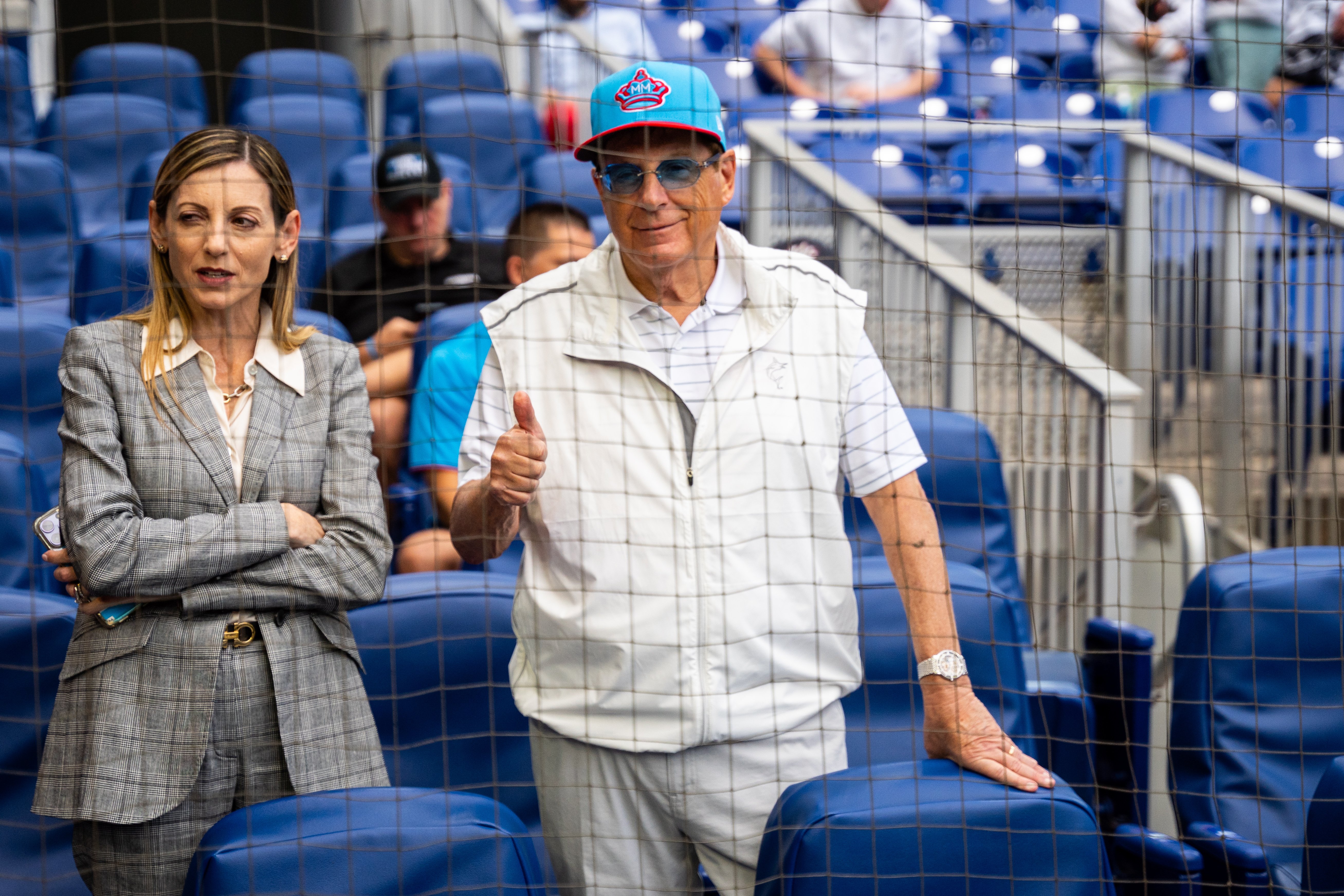 As you might have heard, the Miami Marlins got a bit creative with their start time recently. The organization made the curious choice to go with a 4:10 pm start this past Tuesday with an eye towards seeing if any kind of attendance boost could be gained from such a move. Once you get past the absurdness, the possible advantages are obvious. No rush hour. Works pretty cleanly as an after-school activity. No need to push back bedtime too much. What's not to like? Well, plenty, if the social media response to this is any guide. That 4:10 pm first pitch is even more of a non-starter than usual for the Broward County crowd. If you work a 9 to 5 job? Clearly not happening either, and in that case, some of the angst this experiment has seemed to cause is even understandable. After all, thousands of South Floridians were unable to attend as a result. It would have been particularly upsetting if you were one of the precious few who regularly attend Marlins games. Should we now count how many potential Marlins ticket buyers work non-traditional hours, though? Add up all the teachers? Then tack on all the hospitality workers and a big chunk of first responders? Tabulate all the people able to telecommute and essentially decide when they work and when they don't? Point being, there is no perfect start time. Nothing is going to be convenient for everyone. Over 2 million people live in Dade County alone, and there are less than 40,000 seats in loanDepot park. Which means that in a vacuum, there are plenty of ways for the ticket-buying math to math in the Marlins favor. Of course, as everyone reading this knows, you can't view anything the Marlins do attendance-wise in a vacuum. Merely shuffling a start time is rearranging deck chairs on the Titanic, putting lipstick on a pig level stuff for this franchise. Until they win consistently, and very likely spend more on payroll to do so, no dramatic turnaround at the ticket window is coming. However, that doesn't mean it isn't worth the Marlins time to get creative at drawing more people in. They just need to be far more aggressive at doing so than they have been so far. The same kind of aggressiveness that the club has taken with their analytics and player development should be pursued in boosting attendance. In 2003, the team created special D-Train inspired flex packages to give fans plenty of flexibility in when to come out to the ballpark. While the team doesn't have as equally marketable of a star right now, the idea of any kind of incentive for fans to buy multiple tickets seems worth considering. With thousands of empty seats, it's hard to see what the team would have to lose by even offering 2-for-1 seats, at least for weekday games. And speaking of weekday games, I'm not sure there's a summer camp in Miami that shouldn't be getting heavily discounted tickets to those June and July weekday afternoon starts. Not to mention sending those campers home with a voucher for a free ticket to a future game in case those campers are inclined to tell their parents how much fun they had. As long I'm spending Bruce Sherman's money, though, a radical idea even dearer to my heart would be bussing. The Marlins already have a trolley linked up with the Metrorail, and a bus deal set up with Brightline. Unfortunately, one of those serves a very narrow range that is already close enough to the stadium and the other involves an expensive train that is so popular it is heading for bankruptcy court. But what if the Marlins arranged for a location nearer to Broward to bus in all those fans that wring their hands at the prospect of driving much farther than they did in the past to get to a Marlins game? Hard Rock Stadium, perhaps? Not even kind of kidding, at least not for the many months the Dolphins aren't a factor. There might not be enough parking lot space for the Super Bowl's liking these days, but there's more than enough for Broward-based Marlins fans to park their cars and hop on a bus that gets them to loanDepot in time for first pitch. Same goes for Amerant Bank Arena when the Panthers aren't playing. Even if the stadium owners netted all the parking fees, the Marlins would still benefit plenty from tickets and concessions, as well as the potential for some fan goodwill from going that extra mile. Again, there are no silver bullets for the Marlins attendance woes beyond winning. Ideas like Tuesday's start time shuffle are a step in the right direction, but need to be part of a much more concentrated, creative effort to get people in the door. In my humble opinion, the suggestions offered here would be much more impactful. As would plenty of other ideas, I'm sure. Then again, I'm the kind of fan who used to cheerfully sneak out of school and endure summer rainouts in order to attend games. I presently live in Texas and have already been to three Marlins home games this season. Admittedly, I might not be the best sample size here. So the odd 4:10 pm start isn't something I have an issue with—this team needs to leave no stone unturned in generating interest and revenue. With attendance numbers as bad as Miami's, there are no bad ideas. Seeing as how only 7,521 people showed up for a showdown with the rival Braves, and this was only the third-best crowd on a Tuesday all season? Looks like it'll be back to the drawing board. Until the wins increase, tinker away, Marlins. Tinker away.
-
Right idea, wrong elbows for Miami Marlins in recent trades
Sean Millerick posted an article in Marlins
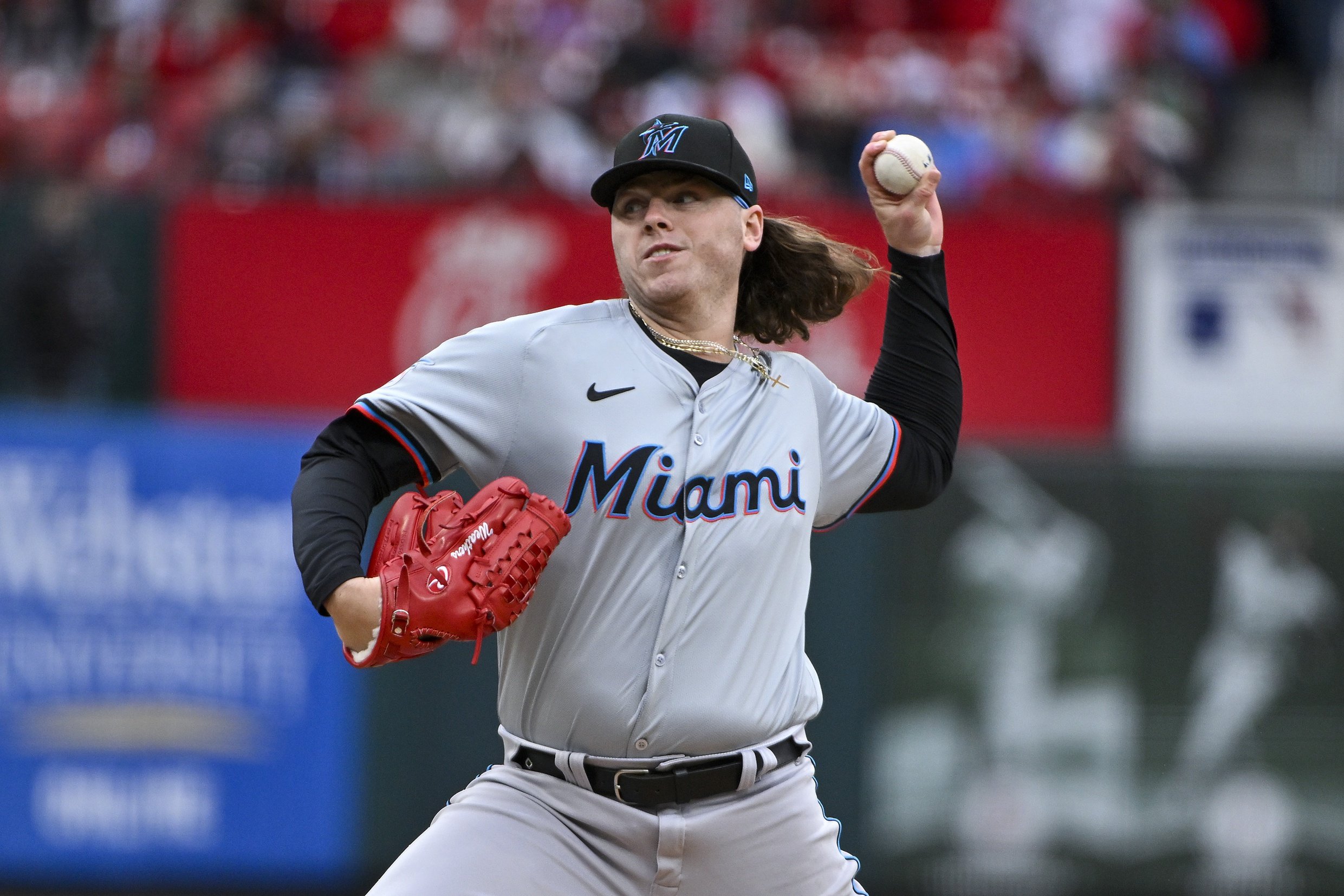 If you're a Miami Marlins fan, you'd be forgiven for thinking the franchise is cursed right about now. Well, that thought has probably occurred to you before—there's been ample evidence over the years from countless other calamities. Mostly, this is in response to last week's gut-wrenching news that Robby Snelling is sidelined with a UCL sprain. Snelling is meeting with a surgeon on Thursday. This could just as easily be about fellow top prospect Kevin Defrank's biceps injury. Or Aiva Arquette's struggles to stay on the field. Or the fact the Marlins seem to have a better chance of winning a Super Bowl than winning a series at Tropicana Field. Then again, it could be the fact that so many of the players Miami has chosen to move on from recently are doing well. Troy Johnston is a .300 hitter. Dane Myers and Joey Weimer have been better than any of the new faces manning Miami's bench, all while former first-round pick JJ Bleday continues to look like a stud. Proof after proof that the Marlins just can't have nice things. Most bemoaned of all among many fans right now, though? The trading of Edward Cabrera and Ryan Weathers. Chiefly, the focus there has been on Weathers; Cabrera at least netted an active member of the 26-man roster in Owen Caissie. Meanwhile, Weathers has been worth nearly as much as Sandy Alcantara WAR-wise while producing a career best 3.58 ERA so far this season, yet was traded for a package that won't help at all in 2026. That certainly proved tough to swallow during the Chris Paddack era, as Weathers obviously could have helped flip the M on a couple of those early Marlins losses, and has continued to gnaw as other starters have struggled. While Caissie did single-handedly win a couple games for Miami early on, he's struggled mightily as of late while Cabrera has been a consistent source of production for the Cubs. There has been a fair bit of dismay about the fact the Marlins might have been able to do better in terms of trade return if they had waited. Much like the time when the Marlins chose to move on from Jesús Luzardo—a trade that looked reasonable enough, until it didn't. However, during a tough stretch like this one, it's important to remember that not every decision the Marlins make is the wrong one. That's especially so for when it comes to the cases where a mountain of evidence suggests Miami is selling high on a player. Given the financial constraints ownership chooses to operate the team under (no quarrel from this author if you want to view that as a mistake), they had to move some of their pitching depth this offseason in order to fill out the roster. Years of injury history suggested that the Marlins were picking the right elbows to trade when they opted to move Cabrera and Weathers. In Cabrera's case, in addition to the injury history, there was also a years-long Jekyll and Hyde pattern of production where it was anyone's guess whether he would toss six strong innings or try to walk six within a single frame. In short, if the Marlins were going to trade two pitchers this winter, the only two choices were the ones that were moved. Unfortunately for the Marlins front office, the last two weeks have made both deals look foolish. The Weathers one is an outright travesty from a "competing in 2026" mindset. There's no question that having even one more arrow in the MLB-ready pitching quiver would make a world of difference to Miami right about now. So while it may come as small comfort to fans, it just seemed like a good time to remind folks to continue to trust the process. Sometimes it goes south, sometimes it works out in a big way, as it has with many members of this current Marlins roster. It's also a long season. Plenty of time for more data to come in and change the perception here. Yet the fact that there is a clear, consistent process for the Marlins? It remains a refreshing change of pace.
-
- 1
-

-
- ryan weathers
- edward cabrera
- (and 1 more)
-
If you're a Miami Marlins fan, you'd be forgiven for thinking the franchise is cursed right about now. Well, that thought has probably occurred to you before—there's been ample evidence over the years from countless other calamities. Mostly, this is in response to last week's gut-wrenching news that Robby Snelling is sidelined with a UCL sprain. Snelling is meeting with a surgeon on Thursday. This could just as easily be about fellow top prospect Kevin Defrank's biceps injury. Or Aiva Arquette's struggles to stay on the field. Or the fact the Marlins seem to have a better chance of winning a Super Bowl than winning a series at Tropicana Field. Then again, it could be the fact that so many of the players Miami has chosen to move on from recently are doing well. Troy Johnston is a .300 hitter. Dane Myers and Joey Weimer have been better than any of the new faces manning Miami's bench, all while former first-round pick JJ Bleday continues to look like a stud. Proof after proof that the Marlins just can't have nice things. Most bemoaned of all among many fans right now, though? The trading of Edward Cabrera and Ryan Weathers. Chiefly, the focus there has been on Weathers; Cabrera at least netted an active member of the 26-man roster in Owen Caissie. Meanwhile, Weathers has been worth nearly as much as Sandy Alcantara WAR-wise while producing a career best 3.58 ERA so far this season, yet was traded for a package that won't help at all in 2026. That certainly proved tough to swallow during the Chris Paddack era, as Weathers obviously could have helped flip the M on a couple of those early Marlins losses, and has continued to gnaw as other starters have struggled. While Caissie did single-handedly win a couple games for Miami early on, he's struggled mightily as of late while Cabrera has been a consistent source of production for the Cubs. There has been a fair bit of dismay about the fact the Marlins might have been able to do better in terms of trade return if they had waited. Much like the time when the Marlins chose to move on from Jesús Luzardo—a trade that looked reasonable enough, until it didn't. However, during a tough stretch like this one, it's important to remember that not every decision the Marlins make is the wrong one. That's especially so for when it comes to the cases where a mountain of evidence suggests Miami is selling high on a player. Given the financial constraints ownership chooses to operate the team under (no quarrel from this author if you want to view that as a mistake), they had to move some of their pitching depth this offseason in order to fill out the roster. Years of injury history suggested that the Marlins were picking the right elbows to trade when they opted to move Cabrera and Weathers. In Cabrera's case, in addition to the injury history, there was also a years-long Jekyll and Hyde pattern of production where it was anyone's guess whether he would toss six strong innings or try to walk six within a single frame. In short, if the Marlins were going to trade two pitchers this winter, the only two choices were the ones that were moved. Unfortunately for the Marlins front office, the last two weeks have made both deals look foolish. The Weathers one is an outright travesty from a "competing in 2026" mindset. There's no question that having even one more arrow in the MLB-ready pitching quiver would make a world of difference to Miami right about now. So while it may come as small comfort to fans, it just seemed like a good time to remind folks to continue to trust the process. Sometimes it goes south, sometimes it works out in a big way, as it has with many members of this current Marlins roster. It's also a long season. Plenty of time for more data to come in and change the perception here. Yet the fact that there is a clear, consistent process for the Marlins? It remains a refreshing change of pace. View full article
-
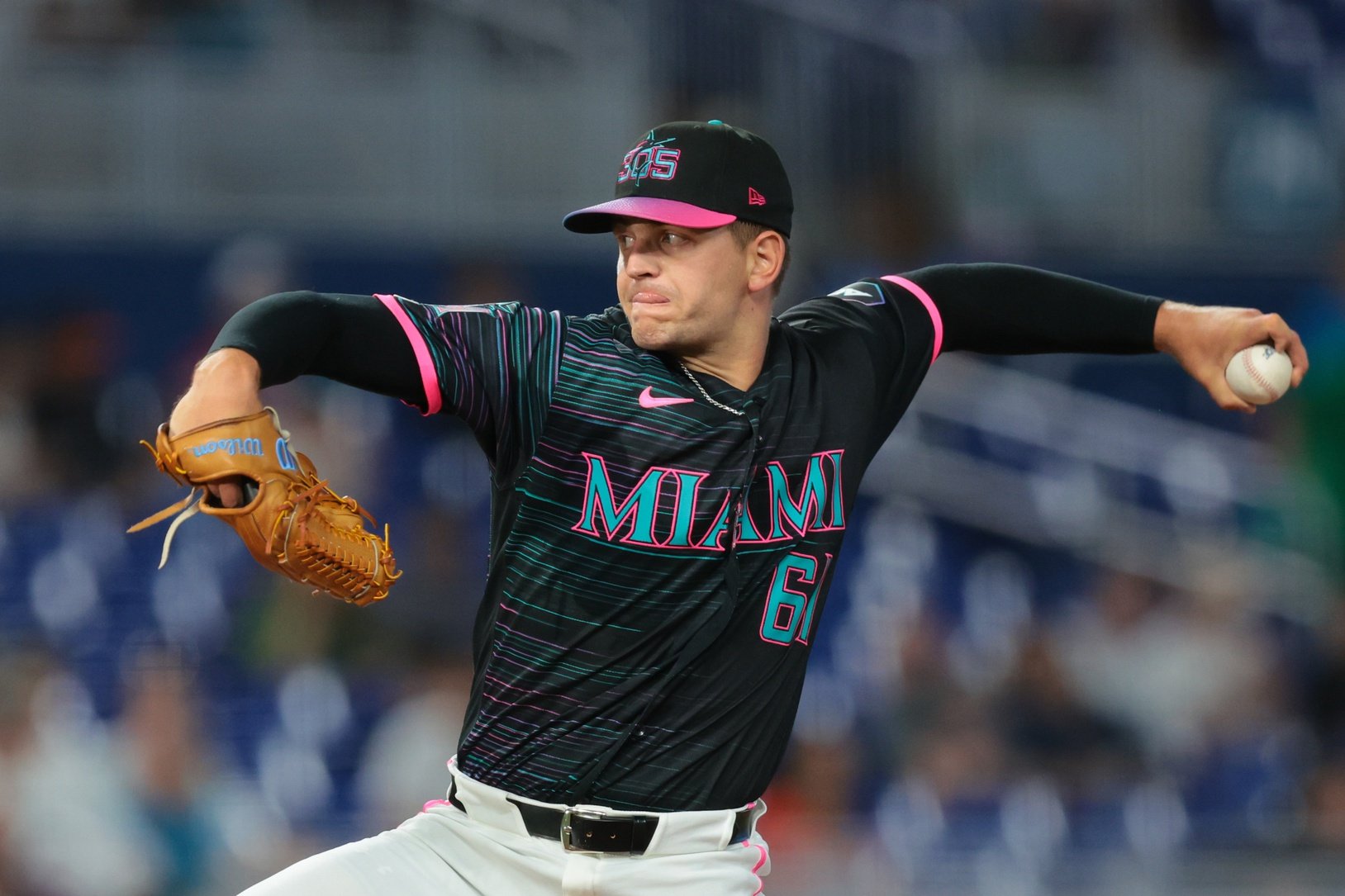 Coming into the season, trade deadline plans looked clear enough for the Miami Marlins. If Miami was in the race? Aggressively buy, hoping to push the team into the postseason and energize the fanbase. If things didn't break their way? Aggressively shop Sandy Alcantara, selling off another face of the franchise. However, as is often the case with best laid plans, they can go awry in a hurry. Two of Miami's top five prospects have suffered major injuries and a third has struggled all season to stay on the field. On the MLB side, no pitcher has given any indication they can be a reliable ace other than Alcantara. In terms of wins and losses? The team has been maddeningly inconsistent, making it anyone's guess as of right now as to what direction the team should take come midsummer. In other words, that once simple equation for the Marlins is now much more complicated, even without bringing any CBA or television money baggage into it. So what is Miami to do? When it comes to buying or selling, thankfully that decision remains weeks away. Which was always going to be the case given the expanded playoff format. As of this writing, arguably more NL Central teams should be buying than teams in the entirety of the American League. Plenty can and will change between now and late July. But as to what those decisions are going to look like now? Who can Miami afford to move? For my money, there are a few takeaways Fish fans should walk away with. For starters...the Marlins can't trade another starting pitcher. And I'd argue that goes for any starting pitcher, including Alcantara. Look, the Marlins need to be competitive next year, or they might as well ship the whole thing off to Nashville and change their name to the Grand Ole Ospreys. With Robby Snelling very likely on the shelf and Eury Perez still searching for consistency, it's hard to envision a successful Marlins team in 2026 or 2027 without Sandy leading the way. Even if Thomas White makes a 2003 Dontrelle Willis-like debut later this month, that's still only a pitching Big 3 for Miami. A Big 2 just isn't enough. Plus, as this season's attrition has already shown, pitching depth is a myth. Any flexibility the Marlins had here is gone. Of course, that's just what the Marlins should do. At the end of the day, they have less assets to move today than they did when the season started. That's not likely to sit well with Peter Bendix. If the Marlins choose to operate as if MLB isn't about to force them to massively increase their spending, then an argument could be made that rather than the Marlins having zero extra pitchers to trade, that they instead only have one. Which would mean that the chances for Sandy staying in Miami beyond this July just died with Snelling's elbow. Most of this talk though has been more sell than buy in nature. If the Marlins go on a run and are in the race, adding on talent is now dicier as well. Long gone is the prospect of flipping an extra pitcher for offensive help. Such a move would now almost assuredly involve a top position player prospect- something you have to imagine this front office would be very loathe to do. At the very least, it's not something they would do lightly, meaning the bar for "being in the race" is probably higher now than it was when they put this roster together back in the offseason. Would the Marlins move Aiva Arquette or Starlyn Caba to add an above average MLB bat? Maybe, maybe not. Yet it's now clear that any significant summer upgrades are going to involve more pieces than the Marlins planned on, and that's a problem for small-market clubs. Potentially a deal-breaking one. Either way, the Marlins trade deadline just got far more interesting. Time will tell whether or not that's a good thing.
-
Coming into the season, trade deadline plans looked clear enough for the Miami Marlins. If Miami was in the race? Aggressively buy, hoping to push the team into the postseason and energize the fanbase. If things didn't break their way? Aggressively shop Sandy Alcantara, selling off another face of the franchise. However, as is often the case with best laid plans, they can go awry in a hurry. Two of Miami's top five prospects have suffered major injuries and a third has struggled all season to stay on the field. On the MLB side, no pitcher has given any indication they can be a reliable ace other than Alcantara. In terms of wins and losses? The team has been maddeningly inconsistent, making it anyone's guess as of right now as to what direction the team should take come midsummer. In other words, that once simple equation for the Marlins is now much more complicated, even without bringing any CBA or television money baggage into it. So what is Miami to do? When it comes to buying or selling, thankfully that decision remains weeks away. Which was always going to be the case given the expanded playoff format. As of this writing, arguably more NL Central teams should be buying than teams in the entirety of the American League. Plenty can and will change between now and late July. But as to what those decisions are going to look like now? Who can Miami afford to move? For my money, there are a few takeaways Fish fans should walk away with. For starters...the Marlins can't trade another starting pitcher. And I'd argue that goes for any starting pitcher, including Alcantara. Look, the Marlins need to be competitive next year, or they might as well ship the whole thing off to Nashville and change their name to the Grand Ole Ospreys. With Robby Snelling very likely on the shelf and Eury Perez still searching for consistency, it's hard to envision a successful Marlins team in 2026 or 2027 without Sandy leading the way. Even if Thomas White makes a 2003 Dontrelle Willis-like debut later this month, that's still only a pitching Big 3 for Miami. A Big 2 just isn't enough. Plus, as this season's attrition has already shown, pitching depth is a myth. Any flexibility the Marlins had here is gone. Of course, that's just what the Marlins should do. At the end of the day, they have less assets to move today than they did when the season started. That's not likely to sit well with Peter Bendix. If the Marlins choose to operate as if MLB isn't about to force them to massively increase their spending, then an argument could be made that rather than the Marlins having zero extra pitchers to trade, that they instead only have one. Which would mean that the chances for Sandy staying in Miami beyond this July just died with Snelling's elbow. Most of this talk though has been more sell than buy in nature. If the Marlins go on a run and are in the race, adding on talent is now dicier as well. Long gone is the prospect of flipping an extra pitcher for offensive help. Such a move would now almost assuredly involve a top position player prospect- something you have to imagine this front office would be very loathe to do. At the very least, it's not something they would do lightly, meaning the bar for "being in the race" is probably higher now than it was when they put this roster together back in the offseason. Would the Marlins move Aiva Arquette or Starlyn Caba to add an above average MLB bat? Maybe, maybe not. Yet it's now clear that any significant summer upgrades are going to involve more pieces than the Marlins planned on, and that's a problem for small-market clubs. Potentially a deal-breaking one. Either way, the Marlins trade deadline just got far more interesting. Time will tell whether or not that's a good thing. View full article
-
What are your Marlins vs. Orioles series predictions?
Sean Millerick replied to Ely Sussman's topic in Miami Marlins Talk
Marlins Win 2, Sandy MVP. -
Could Miami Marlins be considering shopping Agustin Ramirez?
Sean Millerick posted a blog entry in Sean Millerick
When it came to the Miami Marlins calling up Joe Mack, it was only a question of when. But sending down Agustin Ramirez? For many, the only question being asked right now is what in the world the Marlins are thinking. Ramirez displayed 20/20 potential last season from the catcher position and was in the NL Rookie of the Year conversation right to the very end. Offensively, he was as exciting advertised with an oWAR of 1.2 and an excellent eye at the plate. An already good player, with plenty of skills that could be tapped into. Unfortunately, none of those skills were behind the plate. Ramirez batted .231 with 21 HRS and 16 SBs in 2025...and was a negative WAR player. You have to be shockingly bad defensively for that to be the case and Ramirez was indeed shockingly bad. That trend continued in 2026 as the Marlins continued to throw him out there hoping he would grow into a league average defensive catcher. Thus far, the only aspect of big league catching he hasn't been terrible at is the newest aspect of big league catching. Ramirez has been elite at getting his ABS calls right. Beyond that, though? He's been a defensive disaster. Mind you, all of this has been happening while the Marlins other bad at catching catcher has been hitting like an All-Star. The combination of Liam Hicks torrid start at the plate and Ramirez's horrid defense behind it has paved the way for Joe Mack's big league debut. In the offseason, the thinking was Ramirez would slide over to either designated hitter or first base when Mack arrived, while Hicks would alternate between multiple positions. Sending Ramirez down entirely though never entered the equation. On the surface, it seems fairly crazy. Unless...the Marlins are considering a trade. Well that, or some behind the scenes disciplinary measure that has played a role. Absent being put in professional timeout though, the trade scenario is a fascinating one. If the Marlins really don't think a Ramirez that only plays designated hitter has long-term value to the organization, then it could be that the front office reached the point where they decided to keep alive the illusion that he could be a catcher by having him have be slightly more successful at it back in the minors. And while he's working on that...the Marlins can start working the phones. If they can get a first baseman or third baseman? An outfielder that can actually hit lefty pitching? Really, anything else that comes with a little bit of control that better positions the Marlins to win right now? That's arguably worth more to Miami now if Hicks really has leveled up and Mack's elite defense does translate to the majors. Admittedly, this is probably reach. Gus is probably coming back in a month. Either after thirty straight games as a catcher working on his craft or as a first baseman learning a new position. But don't sleep on the trade chance if the Marlins stay in the race with the big league roster as currently built. -
Two quality starts against the world champions later, perhaps the Miami Marlins are beginning to trust their starters a little more. Then again, one of those was a Sandy start, and that's never been the problem. It's the rest of the staff that has been causing headaches. Sometimes it's been on account of being legitimately unable to make it through six or more frames. More often than not though, Marlins starting pitches have just flat out not been allowed the chance to face that dreaded third turn through the batting order. If there's been one consistent source of frustration for Marlins fans so far in 2026 (Austin Slater is now the Mets problem), that would be it. Granted, the numbers do suggest the batter has the edge the third and fourth time through. As is the case with just about every starting pitcher, everywhere. When looked at on the singular game level, this approach makes sense. It especially would in say, a playoff series, or even in a world where baseball's regular season resembled the NBA or NFL format where the off days outnumber the gamedays in any given week. However, as you might have heard, the MLB season is a marathon, not a sprint. Which makes it more than fair to wonder just how long the Marlins bullpen can stay effective if they are forced to fire this many bullets this early in the season. If Miami's relievers are routinely asked to pitch innings the starter normally would, it would seem to only be a matter of time before they run out of gas. And if that happens when it's clear that the starting pitchers that keep getting pulled had gas of their own left in the tank most nights? That's the kind of thing that could haunt Miami all summer long. So why not split the baby on this one and just bump one of the Marlins many starters into the bullpen? Obviously, you wouldn't want to do this with a rookie starter. Josh Johnson did start his Marlins career doing this but only as a September call-up after a full minor-league season of brushing up on those starting pitcher skills. So this would need to be one of the veterans- Janson Junk, Max Meyer, Chris Paddack moving over. Which isn't a new idea, of course. Marlins fans have been clamoring for that since the first weekend of the season. Basically, this is a pitch for piggybacking. Junk was extremely effective in this role last year, and would be the natural choice if it wasn't for the fact he has multiple quality starts himself. Still, his early work in 2025 serves as proof of concept. Ideally, the outings wouldn't be of the 4 to 5 IP sort Junk logged during that stretch, which would effectively burn them for nearly as long as that day's starting pitcher. But if the Marlins could have someone who could throw 2 to 3 IP depending on pitch count two to three times a week without compromising any of their high leverage bullpen arms? That sounds well worth considering, and possibly vital to making sure the Marlins best relievers have something left for the playoff push.
-
Marlins win two, Schwarber MVP. But don't sleep on the pain here folks. Phillies are better, Fish face two lefties in series.
-
What are your Marlins vs. Dodgers series predictions?
Sean Millerick replied to Ely Sussman's topic in Miami Marlins Talk
Marlins Win 1, Ohtani MVP. -
Nearly one month in the season, it is finally happening for the Miami Marlins: Something like the version of the team Peter Bendix intended for fans to see is about to take the field. That's the biggest takeaway from the return of Esteury Ruiz, not to mention the subtraction of Austin Slater, from the 26-man roster. Keep in mind that Miami actually traded for Ruiz all the way back in December, sending Adriano Marrero to the Dodgers in exchange for the former AL stolen base king. Miami doesn't move any of their assets lightly. More to the point though, some might forget just what a massive chunk of Marlins offseason upgrades Ruiz represented. By the close of 2025, it was just him and Christopher Morel in terms of offensive additions- the signing of Pete Fairbanks as closer was the only thing making for a merry holiday. Yes, Miami did make their big offensive splash with the Owen Caissie trade not long after the calendar turned. Even so, that's still 33% (check out those math skills) of the offensive improvements for a team that really needed to improve offensively coming from Ruiz. Now, is that overstating things slightly? Perhaps. After all, Bendix and the Marlins had plenty riding on a fully healthy Kyle Stowers and a fully present Jakob Marsee to drive Miami's offense to new heights in 2026. Caissie was a Top 50 prospect. Not unfair to hope for a big boost from that, even if it wasn't what most fans wanted to hear. Still, it's clear that Ruiz was a major part of the offseason plan. So much so that it was really looking like he might actually beat out fan favorite Griffin Conine for that final roster spot, and not just serve as injury depth. And given how aggressive the Marlins have been on the basepaths so far in 2026? It's easy to see how he might very quickly become a secret weapon for the Fish. Provided he gets on base in the first place.
-
What are your Marlins vs. Giants series predictions?
Sean Millerick replied to Ely Sussman's topic in Miami Marlins Talk
Marlins Win 1, Arraez MVP. On the road, cold and wet is the forecast, they face a lefty. -
What are your Marlins vs. Cardinals series predictions?
Sean Millerick replied to Ely Sussman's topic in Miami Marlins Talk
Marlins Win 2, Otto MVP. -
What are your Marlins vs. Brewers series predictions?
Sean Millerick replied to Ely Sussman's topic in Miami Marlins Talk
Marlins Win 1, Sandy MVP. -
What are your Marlins vs. Braves series predictions?
Sean Millerick replied to Ely Sussman's topic in Miami Marlins Talk
Marlins win 1, Baldwin MVP. -
What are your Marlins vs. Tigers series predictions?
Sean Millerick replied to Ely Sussman's topic in Miami Marlins Talk
Marlins win 1, Keith MVP -
What are your Marlins vs. Reds series predictions?
Sean Millerick replied to Ely Sussman's topic in Miami Marlins Talk
Split, Sandy MVP -
What are your Marlins vs. Yankees series predictions?
Sean Millerick replied to Ely Sussman's topic in Miami Marlins Talk
Marlins Win 1, Rice MVP -
Published an article on Marlins and Murakami earlier in weekend on, and am going to follow up this week with a more legit case for his fit. He can play everywhere the team has a clear need, and that strikeout rate of his should make him more affordable than he'd like to be. Then again...that strikeout rate. Woof. Would be fun to get some Japanese baseball media love again though, and would lend some added intrigue and merchandise sales to the WBC for Bruce.
-
Marlins Win 1, Sandy MVP
-
Marlins Win 1, Schwarber MVP
-
Marlins Win 1, Burger MVP
-
Marlins Win 1, Doyle MVP
-
Marlins Win 1, Skubal MVP

