



Sean Millerick
-
Posts
160 -
Joined
-
Last visited
-
Days Won
8
Sean Millerick's Achievements


-
 Rob V reacted to a post in a topic:
14 former Marlins played for both World Series teams, including worst free agent ever
Rob V reacted to a post in a topic:
14 former Marlins played for both World Series teams, including worst free agent ever
-
Ely Sussman reacted to an article:
14 former Marlins played for both World Series teams, including worst free agent ever
-
When it comes to the Milwaukee Brewers and Tampa Bay Rays, there is no shortage of former Miami Marlins to choose from. Brewers captain Christian Yelich headlines that crop, and would have even before Derek Jeter reminded the baseball world he traded him to Milwaukee. On the Rays side, this series will see them prominently feature two players current Marlins president Peter Bendix traded to his former team. Retired Fish who played for either side include Gary Sheffield, Charles Johnson, Chuck Carr, Trevor Hoffman, Craig Counsell, Devon White, and Liván Hernández. Seriously, it might be easier to name a 1997 Marlin that didn't play for one of these teams. But what about former Fish who played for both Milwaukee and Tampa? That list gets far shorter. Fourteen, to be precise. Now while I freely admit a forgotten reliever could have been lost in the shuffle here, there is no debate about this crop being much less stellar than the above group. Only one Marlins World Series ring among them. Backup catcher Gregg Zaun has that honor, last alphabetically but first in terms of career WAR (13.7) among them. However, that is far from the most recognized Marlin on this list. That honor goes to the worst free-agent signing in franchise history, Avisaíl García. Much attention will be rightly given to the first player mentioned in this article during this series, and what has befallen the Brewers, Marlins, and Yelich since that fateful trade. Yet the staggering flop García proved to be has been nearly as damaging. Remember, one of Miami's largest expenses this past season was the $5 million issued to Garcia to finish off his burdensome contract. It's a fate made all the more horrifying by the fact his 9.4 career WAR ranks second on this list behind Zaun, despite a -1.9 Miami tally. Moving on, what about Jesús Aguilar and Logan Morrison? Only seven players have hit more homers for Miami in the Sherman era than Aguilar, who was a key piece of that 2020 playoff team. Older fans will fondly remember Morrison's 23-homer showing in 2011, and older millennials will even more fondly remember his social media antics. Beyond that, it's a who's who of former faces. Burke Badenhop and Brad Boxberger round out the players most fans remember hearing about. Afterwards? John Curtiss, Joe Dillon, Preston Guilmet, Alex Jackson, Dan Jennings, Trevor Richards, Gerald Williams, and Josh Wilson bring up the rear. Badenhop was part of the infamous Cabrera-Willis trade. Two years after Miami dealt Richards to Tampa, the Rays flipped him to Milwaukee for a package that included Drew Rasmussen. So as another World Series plays out without the Marlins, trust in the fact that history runs deep between these three clubs. And that no matter what happens, Miami will still have more championships than the winner when it's over. View full article
-
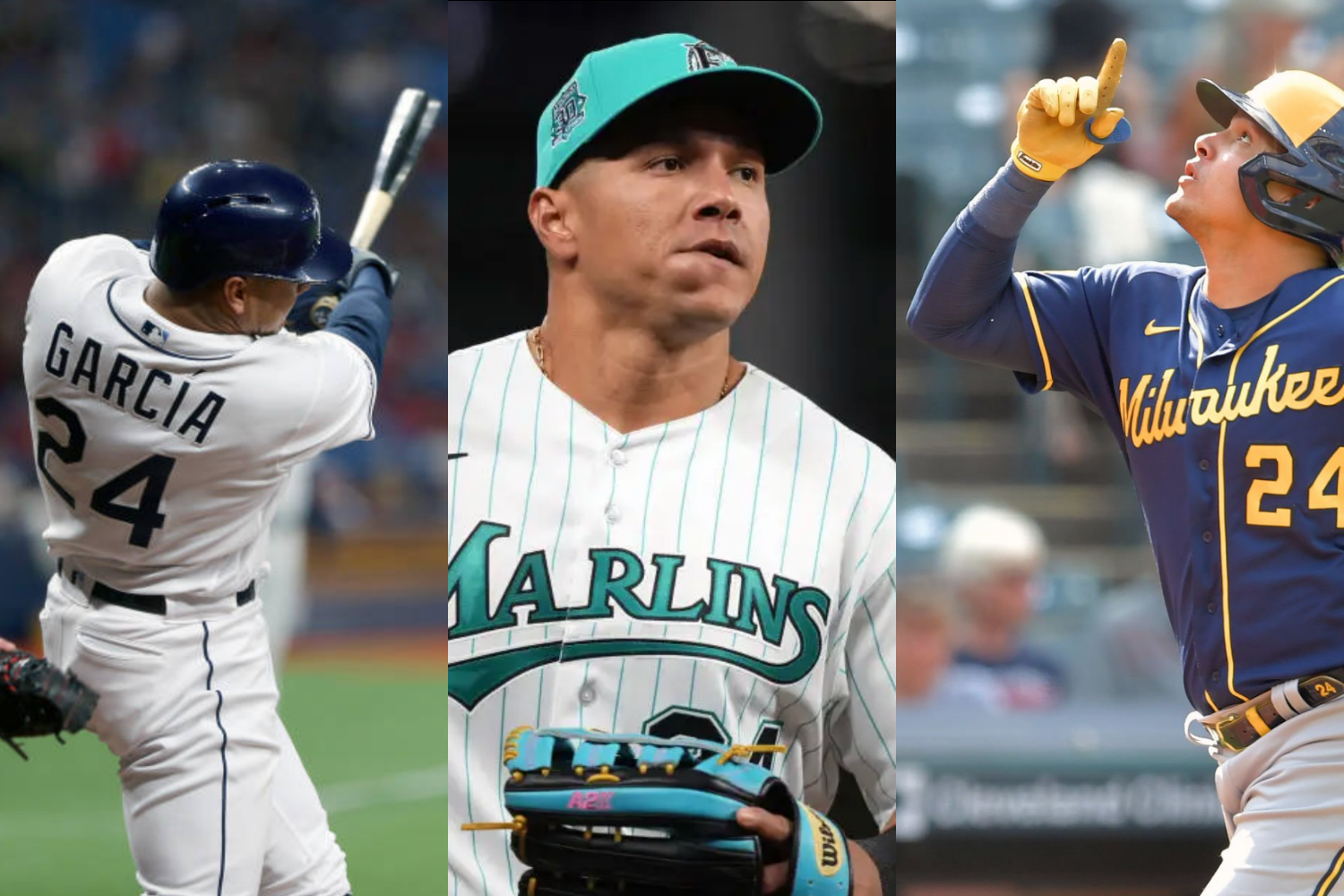 When it comes to the Milwaukee Brewers and Tampa Bay Rays, there is no shortage of former Miami Marlins to choose from. Brewers captain Christian Yelich headlines that crop, and would have even before Derek Jeter reminded the baseball world he traded him to Milwaukee. On the Rays side, this series will see them prominently feature two players current Marlins president Peter Bendix traded to his former team. Retired Fish who played for either side include Gary Sheffield, Charles Johnson, Chuck Carr, Trevor Hoffman, Craig Counsell, Devon White, and Liván Hernández. Seriously, it might be easier to name a 1997 Marlin that didn't play for one of these teams. But what about former Fish who played for both Milwaukee and Tampa? That list gets far shorter. Fourteen, to be precise. Now while I freely admit a forgotten reliever could have been lost in the shuffle here, there is no debate about this crop being much less stellar than the above group. Only one Marlins World Series ring among them. Backup catcher Gregg Zaun has that honor, last alphabetically but first in terms of career WAR (13.7) among them. However, that is far from the most recognized Marlin on this list. That honor goes to the worst free-agent signing in franchise history, Avisaíl García. Much attention will be rightly given to the first player mentioned in this article during this series, and what has befallen the Brewers, Marlins, and Yelich since that fateful trade. Yet the staggering flop García proved to be has been nearly as damaging. Remember, one of Miami's largest expenses this past season was the $5 million issued to Garcia to finish off his burdensome contract. It's a fate made all the more horrifying by the fact his 9.4 career WAR ranks second on this list behind Zaun, despite a -1.9 Miami tally. Moving on, what about Jesús Aguilar and Logan Morrison? Only seven players have hit more homers for Miami in the Sherman era than Aguilar, who was a key piece of that 2020 playoff team. Older fans will fondly remember Morrison's 23-homer showing in 2011, and older millennials will even more fondly remember his social media antics. Beyond that, it's a who's who of former faces. Burke Badenhop and Brad Boxberger round out the players most fans remember hearing about. Afterwards? John Curtiss, Joe Dillon, Preston Guilmet, Alex Jackson, Dan Jennings, Trevor Richards, Gerald Williams, and Josh Wilson bring up the rear. Badenhop was part of the infamous Cabrera-Willis trade. Two years after Miami dealt Richards to Tampa, the Rays flipped him to Milwaukee for a package that included Drew Rasmussen. So as another World Series plays out without the Marlins, trust in the fact that history runs deep between these three clubs. And that no matter what happens, Miami will still have more championships than the winner when it's over.
 -
THOMAS JOSEPH reacted to an article:
Consistent winning matters far more than consistent broadcast for Miami Marlins
-
Ely Sussman reacted to an article:
Consistent winning matters far more than consistent broadcast for Miami Marlins
-
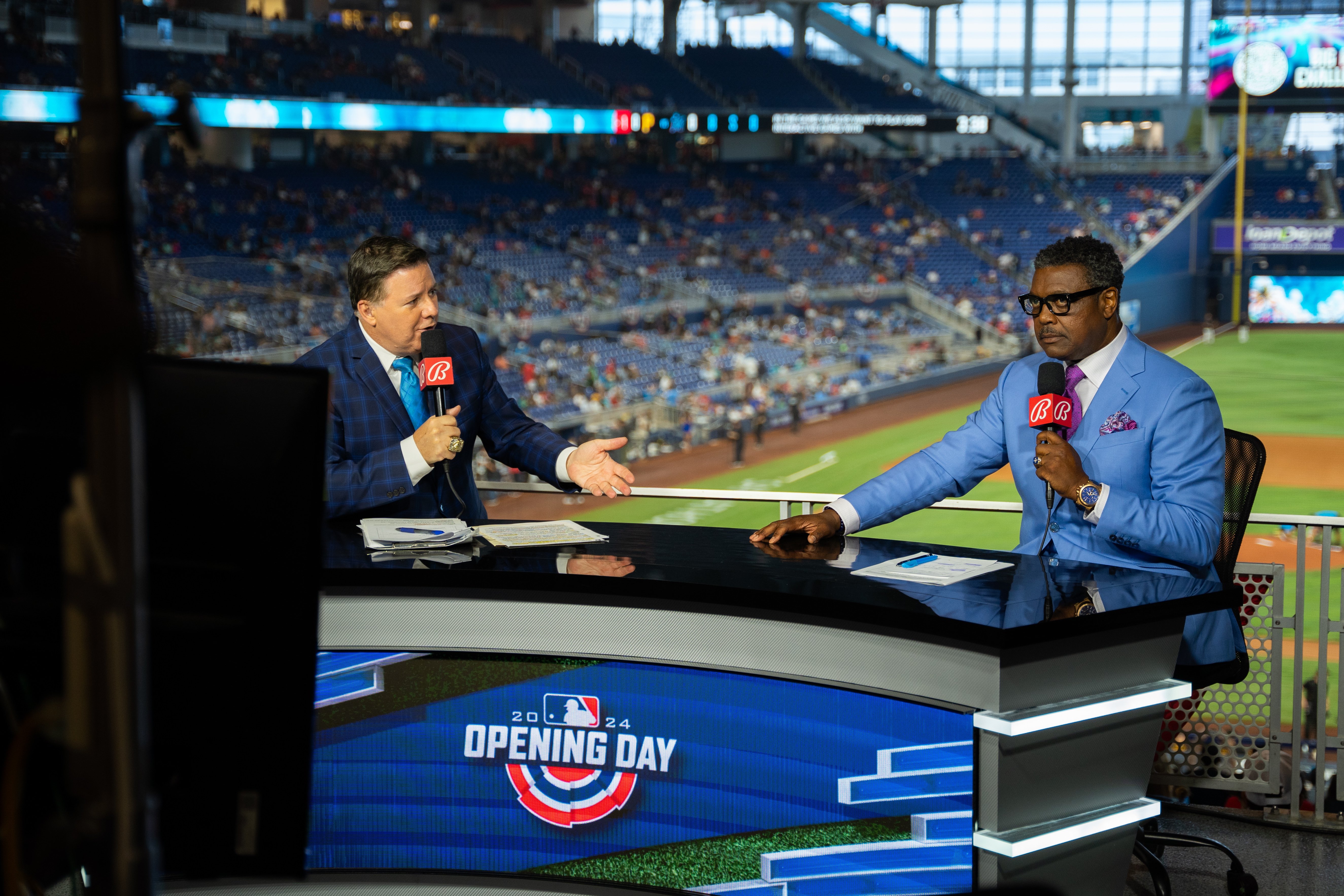 In case you haven't heard, the Miami Marlins have made some changes to their broadcasting team entering 2027. They have ignited an absolute firestorm in Marlins social media circles. In short, it's easy to see the Marlins wanting to improve their broadcasts. Based on his fine work this year, it's equally easy to see how Jack McMullen could be seen as an elite broadcasting asset that had to be kept no matter what. Unfortunately, it's also easy to understand how the Marlins remain an easy target any time they do something that could be argued—fairly or not—to involve finances. On top of that, even the most objective and seasoned journalists in this market could still be feeling pretty raw after a summer full of financially driven South Florida media firings. The main reason this off-the-field matter has commanded so much attention is that the Marlins don't win. The last time the Marlins even had consecutive winning seasons was 2008-09. They've never made the playoffs in consecutive years. If you throw out 2020, Bruce Sherman has only had one winning season in nearly a decade of ownership. Suffice it to say, DJ Khaled didn't have the Marlins in mind when he dropped All I Do Is Win. Meanwhile, the Marlins are right near the bottom of MLB in terms of payroll, just like the Guardians and Rays. Even the Brewers are being outspent by most other teams. Yet all three are still playing in October. Cleveland and Milwaukee have had more winning seasons in the past decade than Miami has had in their entire history. Tampa is one short of tying that mark. Would those clubs would receive this much flack if they culled their broadcasting crews? Zero chance. Higher spending even without winning results would save the Marlins a lot of the fire they receive, and the timing of the news also worked to their detriment. Had it come deeper in the offseason following roster improvements or extensions for core players, it'd be a less prominent story. Let this be a reminder that the baseball operations department is but one branch of a major league organization. It's clear to everyone that things are getting better in Miami. The Marlins outscored their opponents in 2026 for the first time in 16 years, practically all of their veteran talent is under club control for next season and more standout prospects are on the cusp of debuting. Yet until that starts resulting in consistent winning, playoff-caliber seasons? They will continue not to get the benefit of the doubt. Winning is the cure-all for this team, far more than any broadcasting or spending change. The sooner that happens, the better.
 -
In case you haven't heard, the Miami Marlins have made some changes to their broadcasting team entering 2027. They have ignited an absolute firestorm in Marlins social media circles. In short, it's easy to see the Marlins wanting to improve their broadcasts. Based on his fine work this year, it's equally easy to see how Jack McMullen could be seen as an elite broadcasting asset that had to be kept no matter what. Unfortunately, it's also easy to understand how the Marlins remain an easy target any time they do something that could be argued—fairly or not—to involve finances. On top of that, even the most objective and seasoned journalists in this market could still be feeling pretty raw after a summer full of financially driven South Florida media firings. The main reason this off-the-field matter has commanded so much attention is that the Marlins don't win. The last time the Marlins even had consecutive winning seasons was 2008-09. They've never made the playoffs in consecutive years. If you throw out 2020, Bruce Sherman has only had one winning season in nearly a decade of ownership. Suffice it to say, DJ Khaled didn't have the Marlins in mind when he dropped All I Do Is Win. Meanwhile, the Marlins are right near the bottom of MLB in terms of payroll, just like the Guardians and Rays. Even the Brewers are being outspent by most other teams. Yet all three are still playing in October. Cleveland and Milwaukee have had more winning seasons in the past decade than Miami has had in their entire history. Tampa is one short of tying that mark. Would those clubs would receive this much flack if they culled their broadcasting crews? Zero chance. Higher spending even without winning results would save the Marlins a lot of the fire they receive, and the timing of the news also worked to their detriment. Had it come deeper in the offseason following roster improvements or extensions for core players, it'd be a less prominent story. Let this be a reminder that the baseball operations department is but one branch of a major league organization. It's clear to everyone that things are getting better in Miami. The Marlins outscored their opponents in 2026 for the first time in 16 years, practically all of their veteran talent is under club control for next season and more standout prospects are on the cusp of debuting. Yet until that starts resulting in consistent winning, playoff-caliber seasons? They will continue not to get the benefit of the doubt. Winning is the cure-all for this team, far more than any broadcasting or spending change. The sooner that happens, the better. View full article
-
 Jose Herrera reacted to an article:
Tommy Hutton goes out on own terms at right time for South Florida
Jose Herrera reacted to an article:
Tommy Hutton goes out on own terms at right time for South Florida
-
Jose Herrera reacted to an article:
Miami Marlins must justify weak 2026 playoff push with strong offseason
-
THOMAS JOSEPH reacted to an article:
Tommy Hutton goes out on own terms at right time for South Florida
-
1993 fan from start reacted to a post in a topic:
Miami Marlins must justify weak 2026 playoff push with strong offseason
-
1993 fan from start reacted to an article:
Tommy Hutton goes out on own terms at right time for South Florida
-
It's certainly been a wild few months for South Florida sports. Unremarkable on the field—the Heat, Marlins, and Panthers all missed the playoffs, while the Dolphins spent the summer projected to make a real run at going 0-17. However, there has been borderline cataclysmic change to the way sports is covered in this market. The Miami Herald was gutted in recent weeks, with Greg Cote and Michelle Kauffman headlining the layoffs. Three months prior, the Sun Sentinel fired Dave Hyde. Voices that shaped the way sports were understood in Miami for decades abruptly cast aside. It's been tough, and every writer let go this summer deserved better. At the same time all of this is going on, a Miami Marlins legend has also called it a career. Fortunately, he has gotten the opportunity to do so entirely on his own terms, featuring a full-season retirement tour and special pregame ceremony at loanDepot park. I'm speaking, of course, of Tommy Hutton. Aside from what we'll call the Wilderness Period of 2016 through early 2018, Hutton was a part of the Marlins broadcast crew since 1997. If you care about this team, follow them on any kind of a regular basis, then it's a safe bet that the way you know and love the game of baseball was shaped by his insight and passion. Back when the news first broke that this season would be Hutton's swan song, I made the case on another platform for him needing to be a lock for the 2027 Marlins Hall of Fame class. Suffice it to say, you can expect a refresh of that for this site this spring. Historically, it has been rare for anyone associated with this franchise to get a storybook ending to their tenure. Hutton's longtime broadcast partner Rich Waltz didn't get it, at least not until Sunday when the team helped facilitate his return to the booth for one last inning with Tommy. That emotional reunion coincided with a Griffin Conine home run; the moment would have only been more perfect for Marlins fans if the two had taken a moment to let us know his name wasn't DAN UGGLA. Sunday afternoon went a long way towards righting last decade's wrong of splitting up Waltz and Hutton. Everyone involved deserves a ton of credit for that. It was just great seeing a man so involved with so much of this team's history go out because he chose to do so at 80 years young, rather than having that choice forced on him. It was a moment that meant a lot on the Marlins fan front and quite a bit just in terms of the local sports coverage front as well. Congrats, Tommy, and thank you. View full article
-
Tommy Hutton goes out on own terms at right time for South Florida
Sean Millerick posted an article in Marlins
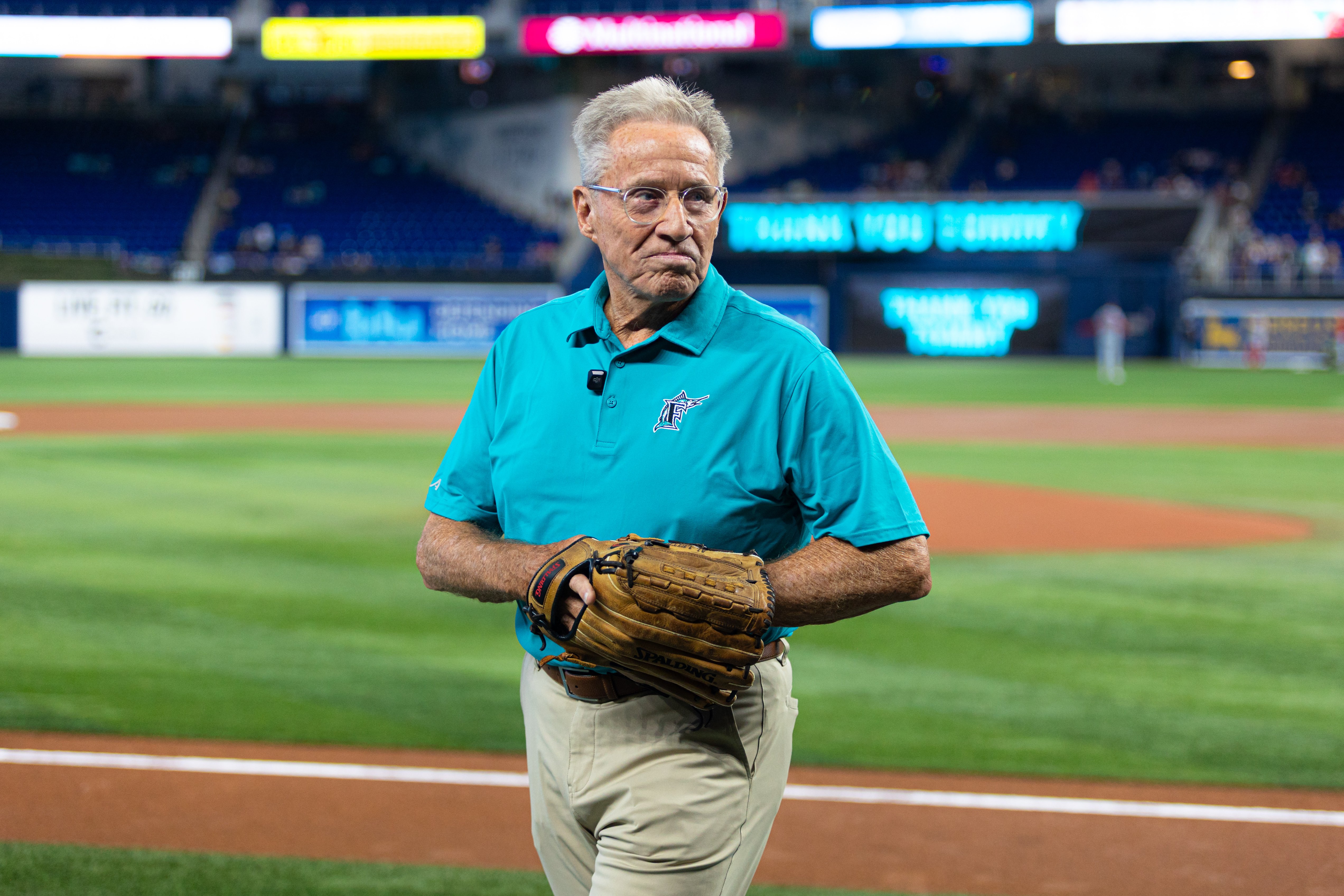 It's certainly been a wild few months for South Florida sports. Unremarkable on the field—the Heat, Marlins, and Panthers all missed the playoffs, while the Dolphins spent the summer projected to make a real run at going 0-17. However, there has been borderline cataclysmic change to the way sports is covered in this market. The Miami Herald was gutted in recent weeks, with Greg Cote and Michelle Kauffman headlining the layoffs. Three months prior, the Sun Sentinel fired Dave Hyde. Voices that shaped the way sports were understood in Miami for decades abruptly cast aside. It's been tough, and every writer let go this summer deserved better. At the same time all of this is going on, a Miami Marlins legend has also called it a career. Fortunately, he has gotten the opportunity to do so entirely on his own terms, featuring a full-season retirement tour and special pregame ceremony at loanDepot park. I'm speaking, of course, of Tommy Hutton. Aside from what we'll call the Wilderness Period of 2016 through early 2018, Hutton was a part of the Marlins broadcast crew since 1997. If you care about this team, follow them on any kind of a regular basis, then it's a safe bet that the way you know and love the game of baseball was shaped by his insight and passion. Back when the news first broke that this season would be Hutton's swan song, I made the case on another platform for him needing to be a lock for the 2027 Marlins Hall of Fame class. Suffice it to say, you can expect a refresh of that for this site this spring. Historically, it has been rare for anyone associated with this franchise to get a storybook ending to their tenure. Hutton's longtime broadcast partner Rich Waltz didn't get it, at least not until Sunday when the team helped facilitate his return to the booth for one last inning with Tommy. That emotional reunion coincided with a Griffin Conine home run; the moment would have only been more perfect for Marlins fans if the two had taken a moment to let us know his name wasn't DAN UGGLA. Sunday afternoon went a long way towards righting last decade's wrong of splitting up Waltz and Hutton. Everyone involved deserves a ton of credit for that. It was just great seeing a man so involved with so much of this team's history go out because he chose to do so at 80 years young, rather than having that choice forced on him. It was a moment that meant a lot on the Marlins fan front and quite a bit just in terms of the local sports coverage front as well. Congrats, Tommy, and thank you.
 -
Was there anything the Miami Marlins could have realistically done this summer to make them a contender this October? Probably not. Not after giving up every inch of ground they gained thanks to that franchise worst twelve-game losing streak. Not after the San Diego Padres remembered they had one of the most talented rosters in baseball. Not after former Marlins manager Don Mattingly reminded the Philadelphia Phillies of the same thing. And yet...it's hard to shake the sense that the Marlins could have done more at the trade deadline. That they left opportunities on the table. In short, that they completely punted on the chance to make the playoffs for the third time in the Bruce Sherman era. Would they have been a long shot to do so? Absolutely. Would it have been a breath of fresh air for the team to make the attempt? You bet. Keeping the band together was enough in 2025. However, this 2026 club flashed more talent while also being in more dire need of a boost. Especially when you factor in how unstoppable Sandy Alcantara and Eury Perez were looking at the time and the tantalizing prospect of putting them in a playoff series. Twelve-game losing streak or not, this really seemed like a squad that had earned more faith than the front office demonstrated in it come deadline time. Unfortunately, there's also no denying what a mistake it would have been to really push the chips in. This team wasn't ready, and the primary reason for that was lack of depth. When depth is your biggest issue, at least until baseball gets that salary cap, teams like Miami can't go crazy selling off young talent for rental pieces. Plus, once Tariq Skubal went, it's not as if there were a ton of available options worth the price tag. The Marlins weren't even one piece away from a title when they were firing on all cylinders, and were in far worse shape when August arrived. Being responsible made sense, and if we're all being honest with ourselves, it isn't exactly hard to see the wisdom in the uber-frugal approach Miami ultimately took. Which is all fine. Pragmatic, savvy, smart stuff from the Marlins front office, which continues to be a breath of fresh air in its own right. On one condition though: That that same smart front office do everything they can to build on this foundation in 2027. Sign free agents, and good ones. No dealing multiple pieces away from the MLB roster for pieces that might help three years from now. Spend the money on the field that wasn't spent there last winter. Past years have seen the Marlins fill holes by creating new ones, and just betting the ranch on the 90% outcome happening. That has to change. For again, the big issue this season was depth. After a few months of covering that up with smoke and mirrors, the Marlins ran out of bodies and gas. Of course, at a couple positions, the tricks never worked at all. Far too much time was given to Christopher Morel and Leo Jimenez to make it work. Far too often when Miami played platoon games and pulled pitchers down the stretch, they did so with players that simply weren't capable of consistently delivering the desired outcome. Those moves are clearly going to be part of how the Marlins operate, and that too is fine, pragmatic, savvy, smart stuff. Yet the talent level of Miami's bench and bullpen must be much higher next time around to make that work, and the easiest way to do that is to inject talent into the MLB roster without needing to take talent away from it. Basically, for three offseasons in a row, the Marlins have made it too easy for fans to argue that the team made the big league roster worse during the offseason, not better. That can't happen again, not now that there are real expectations associated with this group. Otherwise, the Marlins just wasted a chance for a month of much more meaningful baseball, and all the goodwill and memories that come with that. View full article
-
Miami Marlins must justify weak 2026 playoff push with strong offseason
Sean Millerick posted an article in Marlins
 Was there anything the Miami Marlins could have realistically done this summer to make them a contender this October? Probably not. Not after giving up every inch of ground they gained thanks to that franchise worst twelve-game losing streak. Not after the San Diego Padres remembered they had one of the most talented rosters in baseball. Not after former Marlins manager Don Mattingly reminded the Philadelphia Phillies of the same thing. And yet...it's hard to shake the sense that the Marlins could have done more at the trade deadline. That they left opportunities on the table. In short, that they completely punted on the chance to make the playoffs for the third time in the Bruce Sherman era. Would they have been a long shot to do so? Absolutely. Would it have been a breath of fresh air for the team to make the attempt? You bet. Keeping the band together was enough in 2025. However, this 2026 club flashed more talent while also being in more dire need of a boost. Especially when you factor in how unstoppable Sandy Alcantara and Eury Perez were looking at the time and the tantalizing prospect of putting them in a playoff series. Twelve-game losing streak or not, this really seemed like a squad that had earned more faith than the front office demonstrated in it come deadline time. Unfortunately, there's also no denying what a mistake it would have been to really push the chips in. This team wasn't ready, and the primary reason for that was lack of depth. When depth is your biggest issue, at least until baseball gets that salary cap, teams like Miami can't go crazy selling off young talent for rental pieces. Plus, once Tariq Skubal went, it's not as if there were a ton of available options worth the price tag. The Marlins weren't even one piece away from a title when they were firing on all cylinders, and were in far worse shape when August arrived. Being responsible made sense, and if we're all being honest with ourselves, it isn't exactly hard to see the wisdom in the uber-frugal approach Miami ultimately took. Which is all fine. Pragmatic, savvy, smart stuff from the Marlins front office, which continues to be a breath of fresh air in its own right. On one condition though: That that same smart front office do everything they can to build on this foundation in 2027. Sign free agents, and good ones. No dealing multiple pieces away from the MLB roster for pieces that might help three years from now. Spend the money on the field that wasn't spent there last winter. Past years have seen the Marlins fill holes by creating new ones, and just betting the ranch on the 90% outcome happening. That has to change. For again, the big issue this season was depth. After a few months of covering that up with smoke and mirrors, the Marlins ran out of bodies and gas. Of course, at a couple positions, the tricks never worked at all. Far too much time was given to Christopher Morel and Leo Jimenez to make it work. Far too often when Miami played platoon games and pulled pitchers down the stretch, they did so with players that simply weren't capable of consistently delivering the desired outcome. Those moves are clearly going to be part of how the Marlins operate, and that too is fine, pragmatic, savvy, smart stuff. Yet the talent level of Miami's bench and bullpen must be much higher next time around to make that work, and the easiest way to do that is to inject talent into the MLB roster without needing to take talent away from it. Basically, for three offseasons in a row, the Marlins have made it too easy for fans to argue that the team made the big league roster worse during the offseason, not better. That can't happen again, not now that there are real expectations associated with this group. Otherwise, the Marlins just wasted a chance for a month of much more meaningful baseball, and all the goodwill and memories that come with that.
 -
MLB payroll reform could save Miami Marlins from next Luzardo trade
Sean Millerick posted an article in Marlins
 When healthy and on his game, Jesús Luzardo is an awesome pitcher. He already showed that during his Miami Marlins tenure. Since Luzardo was traded to Philadelphia, he has fully realized his potential. He has been injury-free during those two seasons while continuing to fine-tune his arsenal. Luzardo put an exclamation point on all that brilliance in his most recent start with a twelve-strikeout, complete game shutout—the first time in his MLB career going the distance. No pitcher in the National League has more strikeouts than Luzardo since 2025. The only one with more wins is his Phillies teammate, Cristopher Sánchez. Entering Friday, their club is a virtual lock to compete in the postseason yet again. Meanwhile, the prospects obtained in that trade are yet to do a single thing to help the Marlins win a baseball game. There is also plenty of time for Miami to see a return here, as headliner Starlyn Caba is already an elite defender and still only 20 years old. However, it does seem to safe to say that Miami should have held on to Luzardo longer rather than selling low coming off a back issue. Unfortunately for the Marlins front office, their franchise's spending constraints repeatedly pressure them to rush into decisions like this. Luzardo was two years away from free agency at the time of the deal. Despite his shaky track record of durability and effectiveness, he received a five-year, $135 million extension from the Phillies last March. Bruce Sherman would have never given the green light for such an investment...at least not under MLB's current financial system. So Peter Bendix made the trade to ensure he got something in return before Luzardo inevitably tested the open market. There could be a light at the end of the tunnel for Marlins fans as the league's collective bargaining agreement nears its expiration and owners are reportedly united around the framework of operating with a salary cap and corresponding salary floor. Raising the minimum on what teams must commit to their payroll could be enough to save Miami from the next Luzardo deal. If you're not trying to contend and have to pay someone anyway, players like him with extremely high ceilings would be the obvious ones to gamble on. It would provide more margin for error. Right now, Bendix has none of that, hence why the 2026 Marlins rotation was Sandy Alcantara surrounded by pre-arbitration-eligible arms under less than a million dollars apiece. This would not entirely level the playing field considering the massive gap in local revenues between large and small markets, but definitely a step in a more equitable direction. For the Marlins' sake, it's time for some reform to this broken system.
 -
When healthy and on his game, Jesús Luzardo is an awesome pitcher. He already showed that during his Miami Marlins tenure. Since Luzardo was traded to Philadelphia, he has fully realized his potential. He has been injury-free during those two seasons while continuing to fine-tune his arsenal. Luzardo put an exclamation point on all that brilliance in his most recent start with a twelve-strikeout, complete game shutout—the first time in his MLB career going the distance. No pitcher in the National League has more strikeouts than Luzardo since 2025. The only one with more wins is his Phillies teammate, Cristopher Sánchez. Entering Friday, their club is a virtual lock to compete in the postseason yet again. Meanwhile, the prospects obtained in that trade are yet to do a single thing to help the Marlins win a baseball game. There is also plenty of time for Miami to see a return here, as headliner Starlyn Caba is already an elite defender and still only 20 years old. However, it does seem to safe to say that Miami should have held on to Luzardo longer rather than selling low coming off a back issue. Unfortunately for the Marlins front office, their franchise's spending constraints repeatedly pressure them to rush into decisions like this. Luzardo was two years away from free agency at the time of the deal. Despite his shaky track record of durability and effectiveness, he received a five-year, $135 million extension from the Phillies last March. Bruce Sherman would have never given the green light for such an investment...at least not under MLB's current financial system. So Peter Bendix made the trade to ensure he got something in return before Luzardo inevitably tested the open market. There could be a light at the end of the tunnel for Marlins fans as the league's collective bargaining agreement nears its expiration and owners are reportedly united around the framework of operating with a salary cap and corresponding salary floor. Raising the minimum on what teams must commit to their payroll could be enough to save Miami from the next Luzardo deal. If you're not trying to contend and have to pay someone anyway, players like him with extremely high ceilings would be the obvious ones to gamble on. It would provide more margin for error. Right now, Bendix has none of that, hence why the 2026 Marlins rotation was Sandy Alcantara surrounded by pre-arbitration-eligible arms under less than a million dollars apiece. This would not entirely level the playing field considering the massive gap in local revenues between large and small markets, but definitely a step in a more equitable direction. For the Marlins' sake, it's time for some reform to this broken system. View full article
-
Should Miami Marlins have bought a Eugenio Suarez lottery ticket?
Sean Millerick posted an article in Marlins
.JPG.7846fcb9835e497c4d789696a52e5529.JPG) Most of us would be happy with a lottery ticket that netted roughly $2.5 million. The Miami Marlins recently had to decide whether or not to spend roughly $2.5 million on said ticket when the Cincinnati Reds placed Eugenio Suarez on waivers this week. The veteran slugger who ranked fifth in Major League Baseball with 49 home runs last season was being salary-dumped. He has been a massive disappointment overall in 2026, but has come on strong in August, clubbing 5 HR to go along with a .237/.362/.500 slash line. For context, Marlins third basemen have combined for only 6 HR all year. With Suarez once again looking a lot like the kind of right-handed power threat that the Marlins infield has sorely missed, should they have brought him aboard? Even in a down year, Suarez's 19 homers would have trailed only Heriberto Hernandez on the Marlins roster. If he's able to be as good as he's been so far this month the rest of the way, that could be a massive power boost. Think Leo Jimenez's offensive profile, except the complete opposite. For what it's worth, August and September have historically been the best months of Suarez's career. Very convenient. On the other hand, besides Jimenez, Javier Sanoja is another Marlins player whose playing time would have potentially gone down as a result. He's had a better 2026 season than Suarez by far, and has also been better in August in every way besides homers and RBIs. That .892 OPS in August won't last forever, but it could certainly last another month, and won't cost much more than a league-minimum salary, either. That's not even counting the defensive drop off, which is considerable. If Sanoja moved around the diamond to continue starting regularly with Suarez, than Agustin Ramirez would be sacrificing at-bats. That would have hindered the development of a long-term asset for an unlikely short-term reward. Over half the league is technically "contending" right now, yet Suarez went unclaimed and remained in Cincy. If that many teams decided Suarez wasn't helpful, including many teams with money to burn, then perhaps passing was the right call. Ultimately, this would have been a lottery ticket move for the Marlins, pure and simple. Suarez has produced -0.4 fWAR this season. That baseline suggests he was more likely than not to provide negative value down the stretch. However, lottery tickets can be fun now and then, and the Marlins might just have missed a trick here. The thing about lottery tickets, after all, is that they sometimes pay off, plus this one could have paid off for the Marlins in more ways than just the box score. Adding somebody with Suarez's résumé would have sent a strong message to Marlins fans that the team is making one last push to make this season matter. It could have sold tickets just as attention is starting to wander. Maybe Suarez would have been a fit, maybe he wouldn't have. He was far and away the most interesting name known to be put on waivers so far, and the Marlins passed. The window to make outside acquisitions who will have postseason eligibility closes on Monday. Will another enticing name shake loose before then, and is there any lottery ticket the Marlins would consider buying?
Most of us would be happy with a lottery ticket that netted roughly $2.5 million. The Miami Marlins recently had to decide whether or not to spend roughly $2.5 million on said ticket when the Cincinnati Reds placed Eugenio Suarez on waivers this week. The veteran slugger who ranked fifth in Major League Baseball with 49 home runs last season was being salary-dumped. He has been a massive disappointment overall in 2026, but has come on strong in August, clubbing 5 HR to go along with a .237/.362/.500 slash line. For context, Marlins third basemen have combined for only 6 HR all year. With Suarez once again looking a lot like the kind of right-handed power threat that the Marlins infield has sorely missed, should they have brought him aboard? Even in a down year, Suarez's 19 homers would have trailed only Heriberto Hernandez on the Marlins roster. If he's able to be as good as he's been so far this month the rest of the way, that could be a massive power boost. Think Leo Jimenez's offensive profile, except the complete opposite. For what it's worth, August and September have historically been the best months of Suarez's career. Very convenient. On the other hand, besides Jimenez, Javier Sanoja is another Marlins player whose playing time would have potentially gone down as a result. He's had a better 2026 season than Suarez by far, and has also been better in August in every way besides homers and RBIs. That .892 OPS in August won't last forever, but it could certainly last another month, and won't cost much more than a league-minimum salary, either. That's not even counting the defensive drop off, which is considerable. If Sanoja moved around the diamond to continue starting regularly with Suarez, than Agustin Ramirez would be sacrificing at-bats. That would have hindered the development of a long-term asset for an unlikely short-term reward. Over half the league is technically "contending" right now, yet Suarez went unclaimed and remained in Cincy. If that many teams decided Suarez wasn't helpful, including many teams with money to burn, then perhaps passing was the right call. Ultimately, this would have been a lottery ticket move for the Marlins, pure and simple. Suarez has produced -0.4 fWAR this season. That baseline suggests he was more likely than not to provide negative value down the stretch. However, lottery tickets can be fun now and then, and the Marlins might just have missed a trick here. The thing about lottery tickets, after all, is that they sometimes pay off, plus this one could have paid off for the Marlins in more ways than just the box score. Adding somebody with Suarez's résumé would have sent a strong message to Marlins fans that the team is making one last push to make this season matter. It could have sold tickets just as attention is starting to wander. Maybe Suarez would have been a fit, maybe he wouldn't have. He was far and away the most interesting name known to be put on waivers so far, and the Marlins passed. The window to make outside acquisitions who will have postseason eligibility closes on Monday. Will another enticing name shake loose before then, and is there any lottery ticket the Marlins would consider buying? -
Most of us would be happy with a lottery ticket that netted roughly $2.5 million. The Miami Marlins recently had to decide whether or not to spend roughly $2.5 million on said ticket when the Cincinnati Reds placed Eugenio Suarez on waivers this week. The veteran slugger who ranked fifth in Major League Baseball with 49 home runs last season was being salary-dumped. He has been a massive disappointment overall in 2026, but has come on strong in August, clubbing 5 HR to go along with a .237/.362/.500 slash line. For context, Marlins third basemen have combined for only 6 HR all year. With Suarez once again looking a lot like the kind of right-handed power threat that the Marlins infield has sorely missed, should they have brought him aboard? Even in a down year, Suarez's 19 homers would have trailed only Heriberto Hernandez on the Marlins roster. If he's able to be as good as he's been so far this month the rest of the way, that could be a massive power boost. Think Leo Jimenez's offensive profile, except the complete opposite. For what it's worth, August and September have historically been the best months of Suarez's career. Very convenient. On the other hand, besides Jimenez, Javier Sanoja is another Marlins player whose playing time would have potentially gone down as a result. He's had a better 2026 season than Suarez by far, and has also been better in August in every way besides homers and RBIs. That .892 OPS in August won't last forever, but it could certainly last another month, and won't cost much more than a league-minimum salary, either. That's not even counting the defensive drop off, which is considerable. If Sanoja moved around the diamond to continue starting regularly with Suarez, than Agustin Ramirez would be sacrificing at-bats. That would have hindered the development of a long-term asset for an unlikely short-term reward. Over half the league is technically "contending" right now, yet Suarez went unclaimed and remained in Cincy. If that many teams decided Suarez wasn't helpful, including many teams with money to burn, then perhaps passing was the right call. Ultimately, this would have been a lottery ticket move for the Marlins, pure and simple. Suarez has produced -0.4 fWAR this season. That baseline suggests he was more likely than not to provide negative value down the stretch. However, lottery tickets can be fun now and then, and the Marlins might just have missed a trick here. The thing about lottery tickets, after all, is that they sometimes pay off, plus this one could have paid off for the Marlins in more ways than just the box score. Adding somebody with Suarez's résumé would have sent a strong message to Marlins fans that the team is making one last push to make this season matter. It could have sold tickets just as attention is starting to wander. Maybe Suarez would have been a fit, maybe he wouldn't have. He was far and away the most interesting name known to be put on waivers so far, and the Marlins passed. The window to make outside acquisitions who will have postseason eligibility closes on Monday. Will another enticing name shake loose before then, and is there any lottery ticket the Marlins would consider buying? View full article
-
There is no shortage of reasons why the Miami Marlins lost to the Philadelphia Phillies Monday night. Poor hitting with runners in scoring position. An umpiring decision so inexplicable that it still boggles the mind. The enduring presence of Leo Jimenez. The excellence of Cristopher Sanchez, a continuation of Miami's years-long inability to handle lefty starting pitchers. However, I wanted to focus on something that might have flown under the radar. John King pitched horribly. Cade Gibson was better, but not by much. The ineffectiveness of Miami's lefty relievers since essentially the start of July is highly concerning. For much of the year, King looked unequivocally like the best of the Marlins' offseason acquisitions. Overall, he remains a positive WAR player with a 3.88 ERA and still-sterling 0.98 WHIP. Yet his season splits are eye-opening. First half? A 2.48 ERA and 0.75 WHIP. Second half? Those numbers have ballooned to a 10.48 ERA and 2.07 WHIP. To be fair, King's first-half stats come from 40 games' worth of appearances, compared to only nine games in the second half. He has also maintained a pretty clean sheet when it comes to high leverage. There hasn't been a meaningful velocity dip. A slight decrease in sweeper spin was evident on Monday, but there just isn't a lot to point to other than the poor results and an MLB track record that always indicated he was unlikely to maintain his elite pace. At least Gibson has been consistent in 2026. Unfortunately, that just means he's been equally unhelpful all season long. Going into Wednesday, that came out to a 5.25 ERA in the first half and a 6.55 ERA in the second. He has struggled all season long to recapture his 2025 form. He's been a -0.6 bWAR pitcher. Only two Marlins pitchers have been worse this season from that standpoint. One of those is Chris Paddack. The other is Pete Fairbanks, but he's showing every sign of having resurrected his season these past couple weeks. The clock might be ticking on this bullpen composition...except for the fact that the Marlins essentially have no impactful lefty reinforcements to call upon. Scheduled to undergo elbow surgery, Andrew Nardi, who thrived as the club's high-leverage lefty during their last NL Wild Card campaign in 2023, has been fully ruled out. Two of baseball's best southpaw prospects, Robby Snelling and Thomas White, are also hurt. The only 40-man roster alternative is rookie Dax Fulton. Dipping deeper into the organization, there's not much help. Other than Fulton, Patrick Monteverde and Justin King represent the lone lefty offerings at AAA. Monteverde, who's mostly been used as a starter in the minors, has just a 5.79 ERA and 1.49 WHIP. Justin King doesn't even meet that modest standard with a 6.84 ERA and 2.00 WHIP. Bottom line? No help is coming from within if the Marlins either continue to not get much help from their lefty relievers, or if it turns out the reason they have struggled is a yet to be revealed injury. Which makes it all the more essential that King (John) and Gibson turn it around ASAP. Well that, or some team decides to shed some salary and dumps a lefty on waivers over the next two weeks. View full article
-
Cupboard is bare for Miami Marlins when it comes to lefty relief help
Sean Millerick posted an article in Marlins
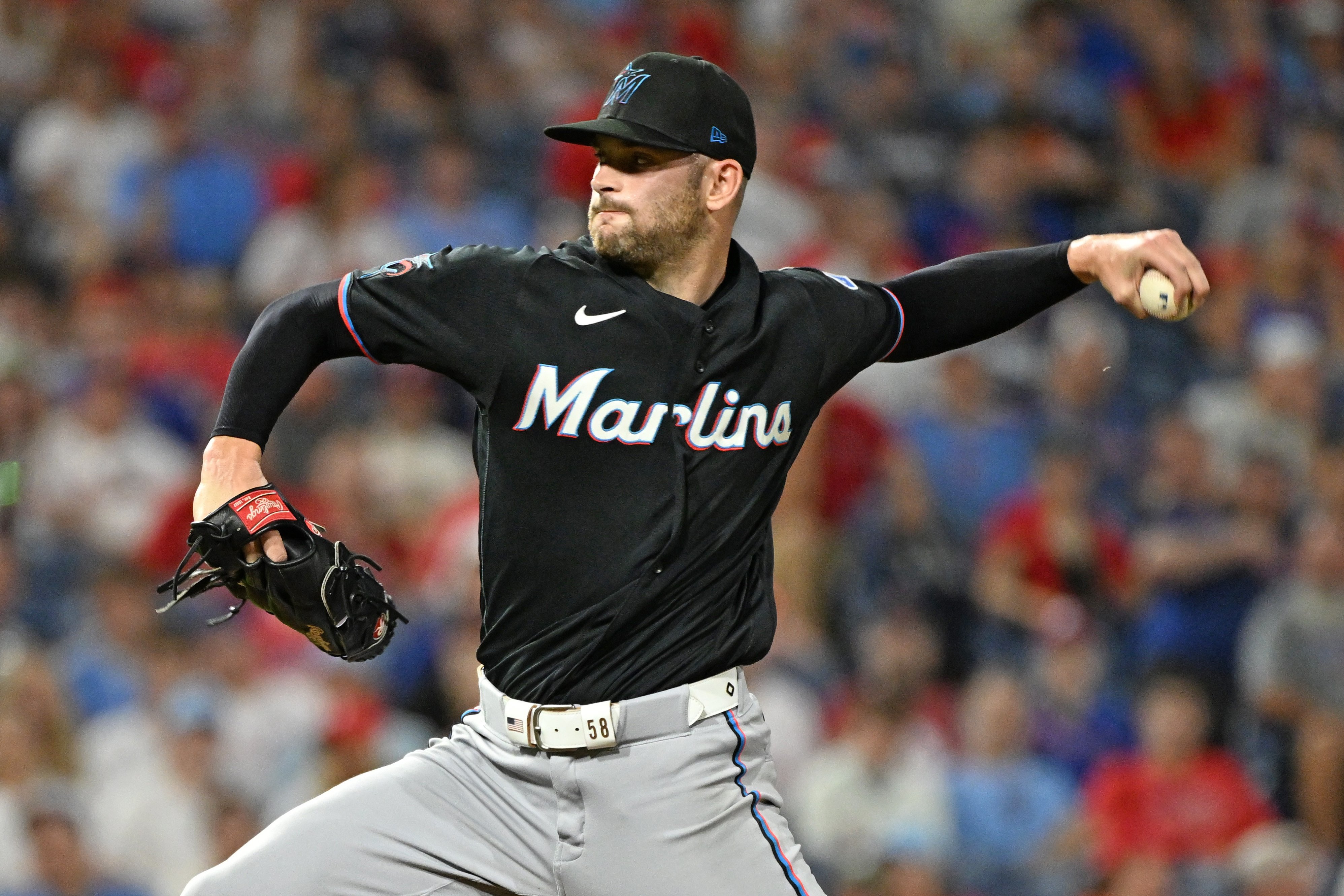 There is no shortage of reasons why the Miami Marlins lost to the Philadelphia Phillies Monday night. Poor hitting with runners in scoring position. An umpiring decision so inexplicable that it still boggles the mind. The enduring presence of Leo Jimenez. The excellence of Cristopher Sanchez, a continuation of Miami's years-long inability to handle lefty starting pitchers. However, I wanted to focus on something that might have flown under the radar. John King pitched horribly. Cade Gibson was better, but not by much. The ineffectiveness of Miami's lefty relievers since essentially the start of July is highly concerning. For much of the year, King looked unequivocally like the best of the Marlins' offseason acquisitions. Overall, he remains a positive WAR player with a 3.88 ERA and still-sterling 0.98 WHIP. Yet his season splits are eye-opening. First half? A 2.48 ERA and 0.75 WHIP. Second half? Those numbers have ballooned to a 10.48 ERA and 2.07 WHIP. To be fair, King's first-half stats come from 40 games' worth of appearances, compared to only nine games in the second half. He has also maintained a pretty clean sheet when it comes to high leverage. There hasn't been a meaningful velocity dip. A slight decrease in sweeper spin was evident on Monday, but there just isn't a lot to point to other than the poor results and an MLB track record that always indicated he was unlikely to maintain his elite pace. At least Gibson has been consistent in 2026. Unfortunately, that just means he's been equally unhelpful all season long. Going into Wednesday, that came out to a 5.25 ERA in the first half and a 6.55 ERA in the second. He has struggled all season long to recapture his 2025 form. He's been a -0.6 bWAR pitcher. Only two Marlins pitchers have been worse this season from that standpoint. One of those is Chris Paddack. The other is Pete Fairbanks, but he's showing every sign of having resurrected his season these past couple weeks. The clock might be ticking on this bullpen composition...except for the fact that the Marlins essentially have no impactful lefty reinforcements to call upon. Scheduled to undergo elbow surgery, Andrew Nardi, who thrived as the club's high-leverage lefty during their last NL Wild Card campaign in 2023, has been fully ruled out. Two of baseball's best southpaw prospects, Robby Snelling and Thomas White, are also hurt. The only 40-man roster alternative is rookie Dax Fulton. Dipping deeper into the organization, there's not much help. Other than Fulton, Patrick Monteverde and Justin King represent the lone lefty offerings at AAA. Monteverde, who's mostly been used as a starter in the minors, has just a 5.79 ERA and 1.49 WHIP. Justin King doesn't even meet that modest standard with a 6.84 ERA and 2.00 WHIP. Bottom line? No help is coming from within if the Marlins either continue to not get much help from their lefty relievers, or if it turns out the reason they have struggled is a yet to be revealed injury. Which makes it all the more essential that King (John) and Gibson turn it around ASAP. Well that, or some team decides to shed some salary and dumps a lefty on waivers over the next two weeks.
- 2 comments
-
- 2
-
-
- john king
- cade gibson
- (and 1 more)
-
Suffice it to say, this isn't the way anyone associated with the Miami Marlins drew it up a week ago. When the Marlins made the choice to move the seemingly expendable Liam Hicks off the roster at the trade deadline...he really wasn't supposed to be missed. Although in the midst of a strong season overall, he had only homered twice since June 1. Griffin Conine, Heriberto Hernández, and Kyle Stowers had all been more productive hitters lately. Joe Mack had firmly established that the Marlins were looking far backup catchers only. Miami was covered on lefty bats, covered on catchers, and covered on thump. The move wasn't popular, but of all the rumored moves that smacked of selling, it was seen as the most forgivable amongst the fanbase. Yet in the blink of an eye—or if you prefer, the spasm of a fast-twitch muscle—Kyle Stowers is back on the IL. That throws the entire Hicks decision tree back under the microscope. The first base position was comically overlooked by the Marlins. Perhaps that was more confidence than we realize in the ability of Hicks and Stowers to handle the position, but there is no denying the fact that Miami is now very thin on players with MLB experience at first base. Starting Conine there was the first move on Tuesday following Stowers' IL placement, despite having only ever played six innings there this season. Beyond Conine, light-hitting Leo Jiménez and Graham Pauley are in Miami's plans there for the moment, according to manager Clayton McCullough. Both of those "solutions" are sporting a negative WAR on the year. The club is essentially right back to where they were at the beginning of the year, with far more questions than answers at first base. Only now, there is a lot less calendar left to figure those answers out. Revisiting the Hicks decision has more to do with the structure of the trade than the fact he was traded to begin with. If Miami had moved Hicks in a deal that brought back either a starting pitcher or a right-handed bat to help this year's MLB roster make a run at the playoffs? Just the cost of doing business to maximize the roster in the here and now? Fan angst would be limited to handwringing over the Marlins being cursed and little more. However, when you sell off a very popular player for yet another prospect package...that's going to leave any organization open to criticism. By the way, Hicks owns a .238/.407/.476 slash line through seven games with Tampa Bay. His club is a perfect 7-0 in those contests. View full article


.JPG.7846fcb9835e497c4d789696a52e5529.JPG)
