


Marlins Video
Peter Bendix and Frankie Piliere took an unorthodox approach to their first draft together as Miami Marlins executives. While there were some trends from their work with past teams, like taking an underslot pick first round in PJ Morlando and a high school shortstop second round, the Marlins went heavy on college bats overall. This most likely was to fill a lacking farm system in terms of bats. The types of bats the Marlins seemed to target were approach and plate discipline over raw power in most cases. They were able to sprinkle in some nice arms. Another trend was taking college bats that lack defensive versatility. Perhaps the Marlins just want to get bats into the system and figure out the rest later, which is very interesting considering this is not what Bendix did in his time with the Rays, usually preferring athletes and trusting their development.
Only time will tell what works, but here are the Marlins picks that I believe could prove to be especially good values long term.
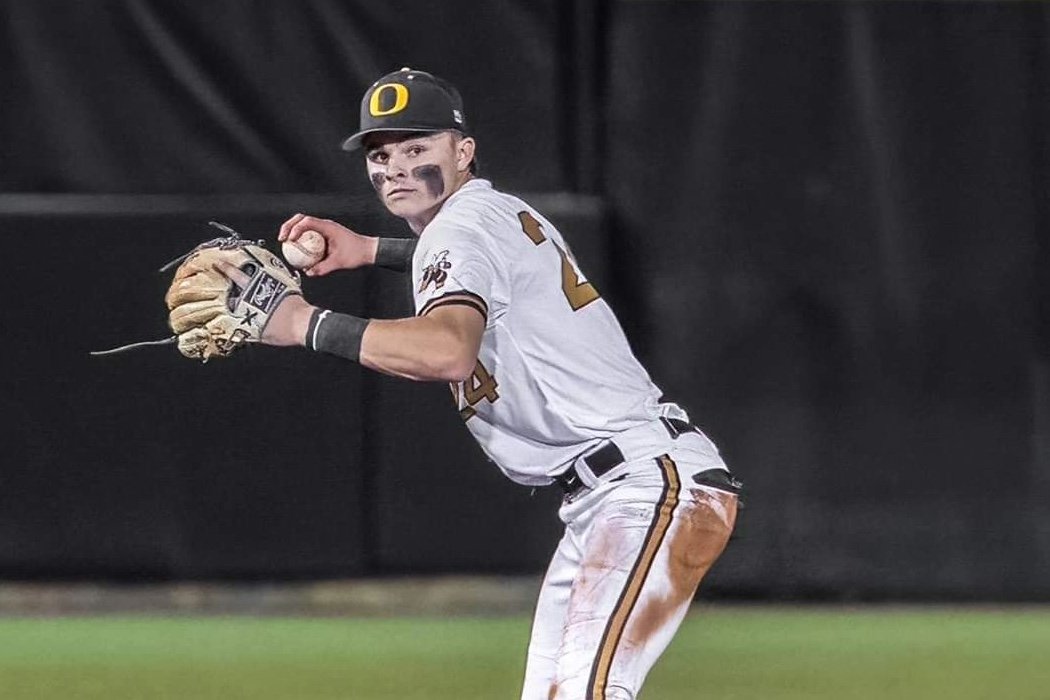
Carter Johnson
My favorite pick of this class was by far Carter Johnson. Carter was a guy that the Marlins were closely linked to most of the draft cycle and had apparent consideration in the first round. The Marlins were able to obtain Johnson in the second round for an overslot deal of $2.8 million.
Johnson was my second-ranked high school shortstop in the class. He brings a high-level plate approach for a high school player and draws comps to Gunnar Henderson, who like Carter, was also an Alabama high school shortstop taken for an overslot deal in the second round. All teams love sweet lefty swing with the ability to stick at short, so it’s no surprise Johnson was so expensive to sign. He's only 18 years old.
Nick Brink
I believe the Marlins got a steal here in the seventh round in Nick Brink, who was signed out of University of Portland for a underslot deal of $195k. Nick was U-Portland's ace this past season where he put up an impressive 3.61 ERA in 99 innings. Brink shows impressive control and can touch up to 95 on a lively fastball. He also throws a traditional slider, changeup and curveball.
I am not able to get much data on the pitches or any biomechanical metrics, but it appears Brink is maximizing the extension he gets down the mound in order to make his fastball and slider play up. His ability to command all four of his pitches and his motor—which is raved about—will allow him to move up to the minors rapidly. I also believe there is room for an uptick in velo for Brink through increased arm action and player development, which will improve his whole arsenal.
Fenwick Trimble
In the fourth round of the draft, the Marlins took Fenwick Trimble, an outfielder from James Madison University. Trimble definitely has the up arrow pointed next to his name following back-to-back great years where he posted an OPS over 1.000. This season, he was able to draw more walks than strikeouts, a prime example of the Marlins identifying players who do not chase pitches. He makes great contact rates and has the ability to stick at center field in the pros.
Trimble has a nice compact righty swing and mainly pulls the ball. In the pros, he’ll most likely look to expand to all fields. If the contact numbers and the ability to walk continue into the minor leagues, the Marlins have gotten themselves a nice outfielder here in the fourth.
Grant Shepardson
The Marlins took their first high school arm of the draft in the fifth round. Grant Shepardson, who is a 6’1 "righty from Colorado, throws a high-spin fastball and slider. The Marlins had to overslot here in order to sign Shepardson—he got $897.5k instead of the slot value of $427k. A lot to dream on physically and with the Marlins' great track record of developing arms, there is plenty to be excited about.
Lack of control is the concern surrounding Grant at this moment, but there is reason to believe the Marlins will be able to help him as they have done with so many other arms. Overall, a nice get for the Fish as they look to create a never-ending supply of arms.
Dub Gleed
The final name I will mention is ninth-rounder Dub Gleed. The third baseman who played college baseball at University of California, Irvine, had a breakout 2024. He posted an OPS over 1.000 and had a lot more pop in his bat than in prior years. Gleed has shown the ability to once again not chase or strike out much. He has good contact rates and his exit velos have gone up this season. The Marlins are probably banking on Gleed continuing to improve in his power as that would mix very well with his already good plate approach and contact rates.
Gleed's downside is his speed, and if the power doesn’t improve, he lacks defensive versatility to play other positions. But betting on a player with good plate skills and a nice frame is a solid pick in the ninth round and I look forward to seeing what Gleed does in the minors.
Should the Marlins keep Brian Navarreto as Joe Mack's backup entering the 2027 season?

Does Sandy Alcantara deserve to be in the Marlins Legends Hall of Fame after he retires?

Follow Fish On First For Miami Marlins News & Analysis



Think you could write a story like this? Fish On First wants you to develop your voice and find an audience. We recruit our paid front page writers from our users blogs section. Start a blog today!
More From Fish On First
— Latest Marlins coverage from our writers
— Recent Marlins discussion in our forums
— Become a Fish On First SuperSub


Recommended Comments
There are no comments to display.
Create an account or sign in to comment
You need to be a member in order to leave a comment
Create an account
Sign up for a new account in our community. It's easy!
Register a new accountSign in
Already have an account? Sign in here.
Sign In Now