



Alex Carver
-
Posts
459 -
Joined
-
Last visited
-
Days Won
16
Content Type
Profiles
Miami Marlins Videos
2026 Miami Marlins Top Prospects Ranking
Miami Marlins Free Agent & Trade Rumors, Notes, & Tidbits
Guides & Resources
News
2025 Miami Marlins Draft Pick Tracker
2026 Miami Marlins Draft Tracker: Picks & Bonuses
Forums
Blogs
Events
Store
Downloads
Gallery
Everything posted by Alex Carver
-
 Fish On First LIVE discusses what has contributed to Chris Paddack's ineffective first month as a Marlin, including a few reasons for optimism. View full video
 -
This podcast is brought to you by Jet Ski Rentals of South Florida—offering Miami’s best jet ski and boat adventures. With six jet ski locations and over 120 boats, there’s something for every style and every budget. They’re reservation-based only. To inquire, call 305-990-2192, or check them out online at SFJetskiRentals.com. Make sure to use promo code FISHONFIRST to receive 10% off your next booking. Fish On First staffers react to the latest Miami Marlins series and prepare you for what lies ahead. Wednesday's show was hosted by Alex Carver and featured panelists Kevin Barral, Jeremiah Geiger, Nate Karzmer and Alex Krutchik. The following topics were covered: Janson Junk pulled after only 56 pitches Jakob Marsee's best series of the season How much longer is Chris Paddack's rotation spot safe? Esteury Ruiz joining the Marlins active roster Austin Slater designated for assignment Previewing and predicting the next series against the San Francisco Giants You can find Fish Unfiltered and Fish On First LIVE on the Fish On First YouTube channel, Apple Podcasts, Spotify or wherever else you get your pods. Our next FOF LIVE episode will be Sunday at approximately 8:00 p.m. ET following the Marlins-Giants series finale. View full article
-
Marlins-Cardinals series reaction: Jakob Marsee rediscovers 2025 form
Alex Carver posted an article in Podcasts
 Fish On First staffers react to the latest Miami Marlins series and prepare you for what lies ahead. Wednesday's show was hosted by Alex Carver and featured panelists Kevin Barral, Jeremiah Geiger, Nate Karzmer and Alex Krutchik. The following topics were covered: Janson Junk pulled after only 56 pitches Jakob Marsee's best series of the season How much longer is Chris Paddack's rotation spot safe? Esteury Ruiz joining the Marlins active roster Austin Slater designated for assignment Previewing and predicting the next series against the San Francisco Giants You can find Fish Unfiltered and Fish On First LIVE on the Fish On First YouTube channel, Apple Podcasts, Spotify or wherever else you get your pods. Our next FOF LIVE episode will be Sunday at approximately 8:00 p.m. ET following the Marlins-Giants series finale.
- 1 comment
-
- 2
-

-
- janson junk
- jakob marsee
- (and 3 more)
-
There is now a full year of evidence that Agustín Ramírez does not provide major league-caliber defense behind the plate. Fish On First LIVE discusses what comes next for him.
-
There is now a full year of evidence that Agustín Ramírez does not provide major league-caliber defense behind the plate. Fish On First LIVE discusses what comes next for him. View full video
-
Marlins-Brewers series reaction: Kyle Stowers can't fix this alone
Alex Carver posted an article in Podcasts
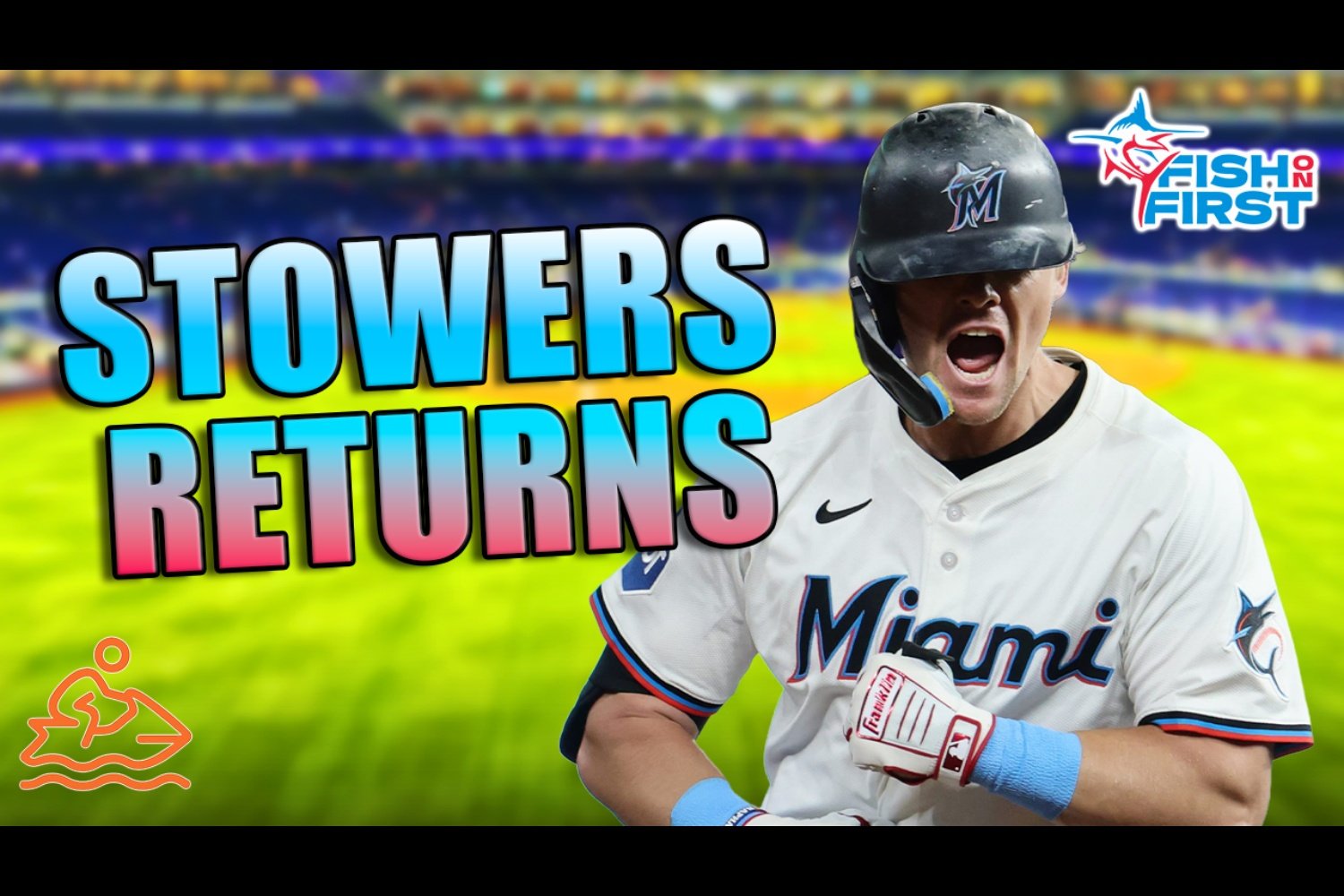 Fish On First staffers react to the latest Miami Marlins series and prepare you for what lies ahead. Sunday's show was hosted by Alex Carver and featured panelists Ely Sussman, Kevin Barral, Jeremiah Geiger and Alex Krutchik. The following topics were covered: Eury Pérez's impressive outing Kyle Stowers' return and potential usage at first base Sandy Alcantara matching a career-high in walks When will the Marlins move Agustín Ramírez off the catcher position? Clayton McCullough's first ejection of 2026 Owen Caissie' s league-leading strikeout rate Previewing and predicting the next series against the St. Louis Cardinals You can find Fish Unfiltered and Fish On First LIVE on the Fish On First YouTube channel, Apple Podcasts, Spotify or wherever else you get your pods. Our next FOF LIVE episode will be Wednesday at approximately 4:00 p.m. ET following the Marlins-Cardinals series finale.
-
- 2
-
-
- eury perez
- sandy alcantara
- (and 5 more)
-
This podcast is brought to you by Jet Ski Rentals of South Florida—offering Miami’s best jet ski and boat adventures. With six jet ski locations and over 120 boats, there’s something for every style and every budget. They’re reservation-based only. To inquire, call 305-990-2192, or check them out online at SFJetskiRentals.com. Make sure to use promo code FISHONFIRST to receive 10% off your next booking. Fish On First staffers react to the latest Miami Marlins series and prepare you for what lies ahead. Sunday's show was hosted by Alex Carver and featured panelists Ely Sussman, Kevin Barral, Jeremiah Geiger and Alex Krutchik. The following topics were covered: Eury Pérez's impressive outing Kyle Stowers' return and potential usage at first base Sandy Alcantara matching a career-high in walks When will the Marlins move Agustín Ramírez off the catcher position? Clayton McCullough's first ejection of 2026 Owen Caissie' s league-leading strikeout rate Previewing and predicting the next series against the St. Louis Cardinals You can find Fish Unfiltered and Fish On First LIVE on the Fish On First YouTube channel, Apple Podcasts, Spotify or wherever else you get your pods. Our next FOF LIVE episode will be Wednesday at approximately 4:00 p.m. ET following the Marlins-Cardinals series finale. View full article
-
The old baseball axiom still rings true: you can never have too much pitching. Offseason trades left the Miami Marlins particularly vulnerable in that area entering 2026. Fortunately, the early returns from their Triple-A depth arms have been highly encouraging. Five hours away from loanDepot park in Jacksonville, two lefties are performing well and each is screaming for a promotion to the big leagues (for very different reasons). First, there’s Braxton Garrett. The Marlins’ first-round pick in 2016, the lefty received his first call-up in 2020 as a COVID necessity, having barely pitched at the Double-A level. He then spent most of 2021 in Triple-A before fully transitioning to the majors in 2022. Retooled with a slider supplanting his curveball as his primary putaway pitch and with improved fastball command, Garrett enjoyed solid campaigns in both '22 and '23, posting a combined 3.63 ERA and 246/53 K/BB. Braxton came into 2024 with a firm grip on a starting rotation spot, but just 37 innings into the year, he was shelved with a UCL injury that required Tommy John surgery, costing him the remainder of that season as well as all of 2025. Garrett is back healthy this year, but was relegated to Triple-A to start the season in favor of Janson Junk, who is out of minor league options, and fellow former first-rounder Max Meyer. The latest exports from Garrett with the Jumbo Shrimp are a 0.59 ERA and 17/5 K/BB through 15 ⅓ innings. In his last start, he held a no hitter through six. Then there’s Robby Snelling, who was part of the return package that sent reliever Tanner Scott to the Padres in 2024. After posting inflated numbers in the upper minors with San Diego—an org known for pushing their prospects quickly—all this lefty has done since joining the Marlins’ organization is impress. Last season between Pensacola and Jacksonville, Snelling posted a 2.51 ERA via a 1.11 WHIP and 166/39 K/BB over 136 innings, earning him the Marlins’ Minor League Pitcher of the Year honors. On the young campaign this year, Snelling has already been special—in his first four starts with Jacksonville, he has a 1.89 ERA via a 31/9 K/BB. Across parts of three seasons with the Jumbo Shrimp, Snelling boasts a 1.42 ERA, more than half a run better than any other starting pitcher with at least 50 innings logged at AAA during that span. For the stark improvements, Snelling has credited a delivery change that he perfected in the offseason between 2024 and 2025. The change has him standing more upright throughout his motion and throwing from a higher arm slot. This has led to his velocity ticking back up as well as better all-around repeatability. On top of that, the Marlins’ pitching development team had Snelling drop his sinker and taught him a gyro slider, which has quickly become a fantastic pitch for the 6’3”, 210-pounder who excels at changing eye levels and clipping corners. The current version the Marlins have brought out of Snelling is a perfect mix of confident and dominant. Against Triple-A hitters, he’s living all around the black of the plate, elevating at will with the best velocity he’s ever had, and limiting hard contact by way of two plus breakers and a usable changeup. Snelling looks every bit of a viable mid-rotation MLB starter. There’s little doubt: both Garrett and Snelling will be with the Marlins in 2026. The question is, with arms aplenty and rotation spots few, who comes up first? In my opinion, the answer doesn’t lie within which pitcher has performed the best or the sexiest name—it hinges on the business side of the game and within long-term organizational planning. The deadline has passed that ensures MLB teams can save an extra year of control on promoted prospects (barring a top-two finish in Rookie of the Year balloting). However, Snelling, who has arguably been one of the best pitchers in Minor League Baseball last year and so far this year, would be on track for Super Two eligibility if brought up right now, qualifying for arbitration in 2029. Holding off on his promotion until the middle of June would delay that until 2030. Garrett needs MLB innings. At age 28 and in his second year of arbitration eligibility, with the likes of Snelling, Thomas White and other prospects nipping at his feels, Garrett appears to be a name primed to be moved this July. If that is going to be the case, interested parties will want to see at least a decent sample of how he looks at the big league level after nearly a two-year layoff. An added factor is ease of access to the roster. Whereas Snelling would require a 40-man roster spot, getting Braxton back to the big leagues is as easy as a 26-man move. Getting him back into the rotation could be as easy as moving Janson Junk to the bullpen. While Junk has done yeoman’s work holding down the fifth spot, he is a better fit for the bullpen in a multi-inning/swing man capacity. One may argue that moving Meyer to the bullpen would also be beneficial, but the Marlins have not iterated any intentions of shortening the leash on him as a starter; in fact, the message from the organization has been exactly the opposite. For fans who follow the team closely, not seeing Snelling get the call now in the midst of a dominant stretch may be painful, but these decisions are befitting of a team whose competitive window is about to fully open. Have no fear; Robby Snelling will be here soon enough and has the makings of an arm that could be very good for the Marlins for a long time. If Garrett is indeed dealt at the deadline, it would seamlessly open the door for Snelling to take up a rotation spot. He should also be considered one of the first names in line if an injury occurs. View full article
-
Who should Marlins call up first: Braxton Garrett or Robby Snelling?
Alex Carver posted an article in Marlins
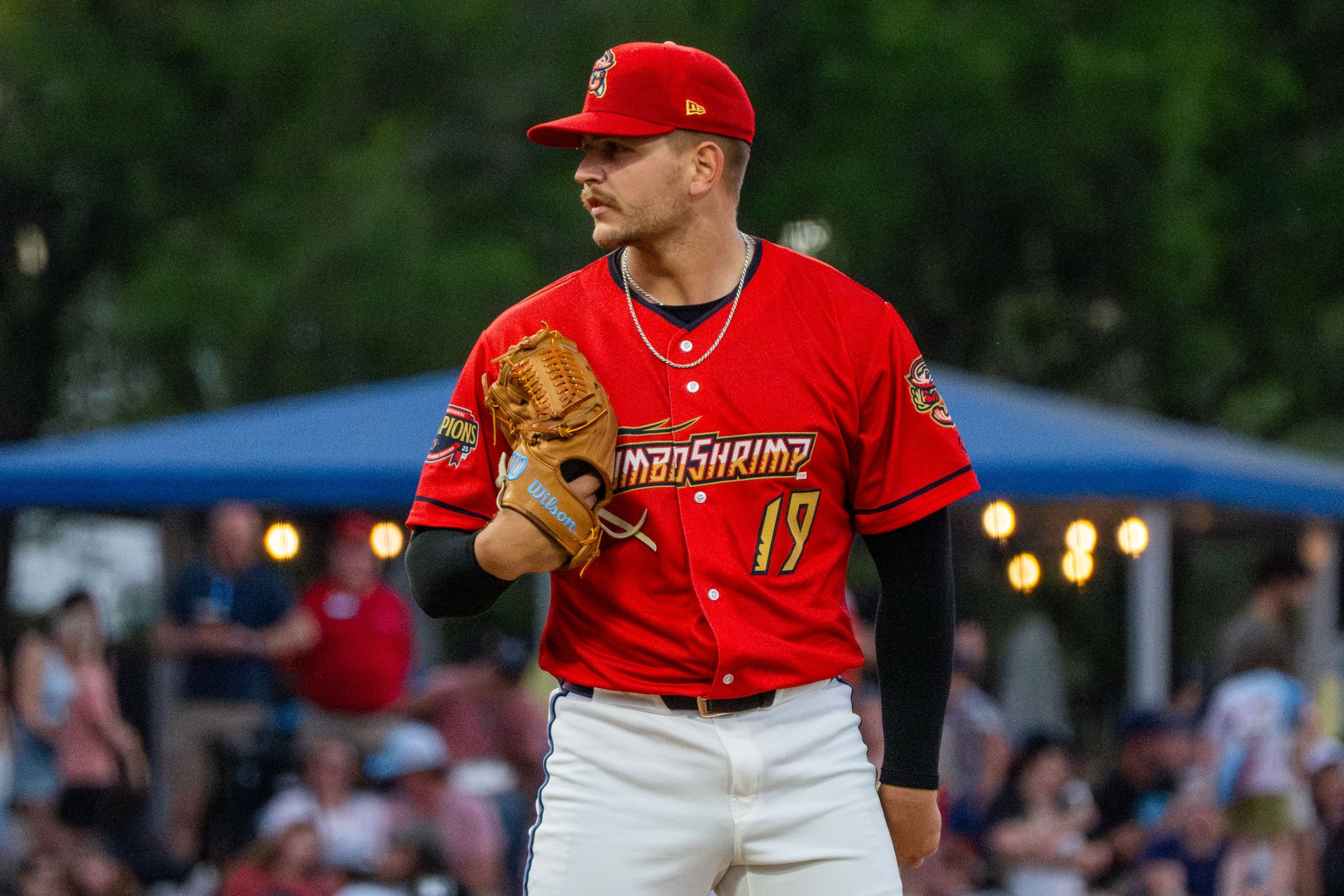 The old baseball axiom still rings true: you can never have too much pitching. Offseason trades left the Miami Marlins particularly vulnerable in that area entering 2026. Fortunately, the early returns from their Triple-A depth arms have been highly encouraging. Five hours away from loanDepot park in Jacksonville, two lefties are performing well and each is screaming for a promotion to the big leagues (for very different reasons). First, there’s Braxton Garrett. The Marlins’ first-round pick in 2016, the lefty received his first call-up in 2020 as a COVID necessity, having barely pitched at the Double-A level. He then spent most of 2021 in Triple-A before fully transitioning to the majors in 2022. Retooled with a slider supplanting his curveball as his primary putaway pitch and with improved fastball command, Garrett enjoyed solid campaigns in both '22 and '23, posting a combined 3.63 ERA and 246/53 K/BB. Braxton came into 2024 with a firm grip on a starting rotation spot, but just 37 innings into the year, he was shelved with a UCL injury that required Tommy John surgery, costing him the remainder of that season as well as all of 2025. Garrett is back healthy this year, but was relegated to Triple-A to start the season in favor of Janson Junk, who is out of minor league options, and fellow former first-rounder Max Meyer. The latest exports from Garrett with the Jumbo Shrimp are a 0.59 ERA and 17/5 K/BB through 15 ⅓ innings. In his last start, he held a no hitter through six. Then there’s Robby Snelling, who was part of the return package that sent reliever Tanner Scott to the Padres in 2024. After posting inflated numbers in the upper minors with San Diego—an org known for pushing their prospects quickly—all this lefty has done since joining the Marlins’ organization is impress. Last season between Pensacola and Jacksonville, Snelling posted a 2.51 ERA via a 1.11 WHIP and 166/39 K/BB over 136 innings, earning him the Marlins’ Minor League Pitcher of the Year honors. On the young campaign this year, Snelling has already been special—in his first four starts with Jacksonville, he has a 1.89 ERA via a 31/9 K/BB. Across parts of three seasons with the Jumbo Shrimp, Snelling boasts a 1.42 ERA, more than half a run better than any other starting pitcher with at least 50 innings logged at AAA during that span. For the stark improvements, Snelling has credited a delivery change that he perfected in the offseason between 2024 and 2025. The change has him standing more upright throughout his motion and throwing from a higher arm slot. This has led to his velocity ticking back up as well as better all-around repeatability. On top of that, the Marlins’ pitching development team had Snelling drop his sinker and taught him a gyro slider, which has quickly become a fantastic pitch for the 6’3”, 210-pounder who excels at changing eye levels and clipping corners. The current version the Marlins have brought out of Snelling is a perfect mix of confident and dominant. Against Triple-A hitters, he’s living all around the black of the plate, elevating at will with the best velocity he’s ever had, and limiting hard contact by way of two plus breakers and a usable changeup. Snelling looks every bit of a viable mid-rotation MLB starter. There’s little doubt: both Garrett and Snelling will be with the Marlins in 2026. The question is, with arms aplenty and rotation spots few, who comes up first? In my opinion, the answer doesn’t lie within which pitcher has performed the best or the sexiest name—it hinges on the business side of the game and within long-term organizational planning. The deadline has passed that ensures MLB teams can save an extra year of control on promoted prospects (barring a top-two finish in Rookie of the Year balloting). However, Snelling, who has arguably been one of the best pitchers in Minor League Baseball last year and so far this year, would be on track for Super Two eligibility if brought up right now, qualifying for arbitration in 2029. Holding off on his promotion until the middle of June would delay that until 2030. Garrett needs MLB innings. At age 28 and in his second year of arbitration eligibility, with the likes of Snelling, Thomas White and other prospects nipping at his feels, Garrett appears to be a name primed to be moved this July. If that is going to be the case, interested parties will want to see at least a decent sample of how he looks at the big league level after nearly a two-year layoff. An added factor is ease of access to the roster. Whereas Snelling would require a 40-man roster spot, getting Braxton back to the big leagues is as easy as a 26-man move. Getting him back into the rotation could be as easy as moving Janson Junk to the bullpen. While Junk has done yeoman’s work holding down the fifth spot, he is a better fit for the bullpen in a multi-inning/swing man capacity. One may argue that moving Meyer to the bullpen would also be beneficial, but the Marlins have not iterated any intentions of shortening the leash on him as a starter; in fact, the message from the organization has been exactly the opposite. For fans who follow the team closely, not seeing Snelling get the call now in the midst of a dominant stretch may be painful, but these decisions are befitting of a team whose competitive window is about to fully open. Have no fear; Robby Snelling will be here soon enough and has the makings of an arm that could be very good for the Marlins for a long time. If Garrett is indeed dealt at the deadline, it would seamlessly open the door for Snelling to take up a rotation spot. He should also be considered one of the first names in line if an injury occurs.
 -
This podcast is brought to you by Jet Ski Rentals of South Florida—offering Miami’s best jet ski and boat adventures. With six jet ski locations and over 120 boats, there’s something for every style and every budget. They’re reservation-based only. To inquire, call 305-990-2192, or check them out online at SFJetskiRentals.com. Make sure to use promo code FISHONFIRST to receive 10% off your next booking. Fish On First staffers react to the latest Miami Marlins series and prepare you for what lies ahead. Sunday's show was hosted by Alex Carver, accompanied by Ely Sussman. The following topics were covered: Reasons behind Sandy Alcantara's worst start of the season Otto Lopez's quiet excellence offensively Jakob Marsee laying an egg in front of family and friends in Detroit What to make of Connor Norby's mixed results How much longer will Robby Snelling have to wait for a call-up? Previewing and predicting the next series against the Atlanta Braves You can find Fish Unfiltered and Fish On First LIVE on the Fish On First YouTube channel, Apple Podcasts, Spotify or wherever else you get your pods. Our next FOF LIVE episode will be Wednesday at approximately 11:00 p.m. ET following the Marlins-Braves series finale. View full article
-
 Fish On First staffers react to the latest Miami Marlins series and prepare you for what lies ahead. Sunday's show was hosted by Alex Carver, accompanied by Ely Sussman. The following topics were covered: Reasons behind Sandy Alcantara's worst start of the season Otto Lopez's quiet excellence offensively Jakob Marsee laying an egg in front of family and friends in Detroit What to make of Connor Norby's mixed results How much longer will Robby Snelling have to wait for a call-up? Previewing and predicting the next series against the Atlanta Braves You can find Fish Unfiltered and Fish On First LIVE on the Fish On First YouTube channel, Apple Podcasts, Spotify or wherever else you get your pods. Our next FOF LIVE episode will be Wednesday at approximately 11:00 p.m. ET following the Marlins-Braves series finale.
-
- 2
-
-
- sandy alcantara
- otto lopez
- (and 4 more)
-
Fish On First LIVE discusses Marlins outfielder Griffin Conine suffering an early-season injury for the second straight year and Deyvison De Los Santos receiving another opportunity in the majors.
-
Fish On First LIVE discusses Marlins outfielder Griffin Conine suffering an early-season injury for the second straight year and Deyvison De Los Santos receiving another opportunity in the majors. View full video
-
This podcast is brought to you by Jet Ski Rentals of South Florida—offering Miami’s best jet ski and boat adventures. With six jet ski locations and over 120 boats, there’s something for every style and every budget. They’re reservation-based only. To inquire, call 305-990-2192, or check them out online at SFJetskiRentals.com. Make sure to use promo code FISHONFIRST to receive 10% off your next booking. Fish On First staffers react to the latest Miami Marlins series and prepare you for what lies ahead. Thursday's show was hosted by Alex Carver and featured panelists Ely Sussman, Isaac Azout, Jeremiah Geiger and Alex Krutchik. The following topics were covered: Analyzing each game of the Cincinnati Reds series The Marlins' insistence on platooning players as much as possible Griffin Conine's hamstring injury Deyvison De Los Santos being recalled from Triple-A Clayton McCullough removing Sandy Alcantara two outs shy of a complete game Previewing and predicting the next series against the Detroit Tigers You can find Fish Unfiltered and Fish On First LIVE on the Fish On First YouTube channel, Apple Podcasts, Spotify or wherever else you get your pods. Our next FOF LIVE episode will be Sunday at approximately 5:30 p.m. ET following the Marlins-Tigers series finale. View full article
-
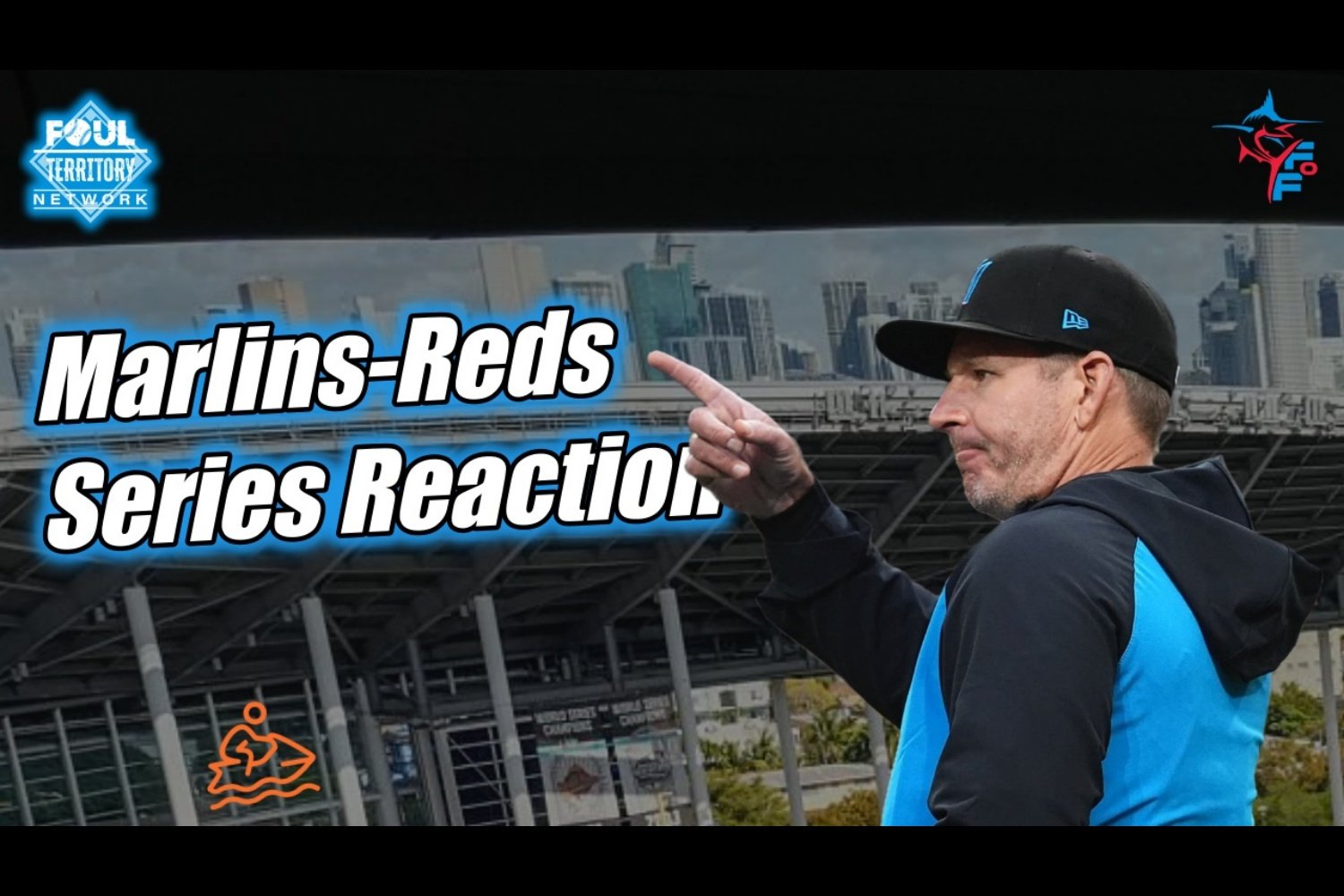 Fish On First staffers react to the latest Miami Marlins series and prepare you for what lies ahead. Thursday's show was hosted by Alex Carver and featured panelists Ely Sussman, Isaac Azout, Jeremiah Geiger and Alex Krutchik. The following topics were covered: Analyzing each game of the Cincinnati Reds series The Marlins' insistence on platooning players as much as possible Griffin Conine's hamstring injury Deyvison De Los Santos being recalled from Triple-A Clayton McCullough removing Sandy Alcantara two outs shy of a complete game Previewing and predicting the next series against the Detroit Tigers You can find Fish Unfiltered and Fish On First LIVE on the Fish On First YouTube channel, Apple Podcasts, Spotify or wherever else you get your pods. Our next FOF LIVE episode will be Sunday at approximately 5:30 p.m. ET following the Marlins-Tigers series finale.
-
- 2
-
-
- sandy alcantara
- griffin conine
- (and 6 more)
-
Series reaction: Adjustments Marlins must make after ugly Yankees series
Alex Carver posted an article in Podcasts
 Fish On First staffers react to the latest Miami Marlins series and prepare you for what lies ahead. Sunday's show was hosted by Alex Carver and featured panelists Ely Sussman, Kevin Barral, Isaac Azout, Nate Karzmer, Daniel Rodriguez and Alex Krutchik. The following topics were covered: The brilliance of Xavier Edwards and his viability as a contract extension candidate Mixed results for Agustín Ramírez, both offensively and defensively An unprecedented number of walks by the Marlins pitching staff Pete Fairbanks' pending trip to the paternity list and the likeliest call-up candidates The team's unconventional defensive positioning Previewing and predicting the upcoming matchup against the Cincinnati Reds You can find Fish Unfiltered and Fish On First LIVE on the Fish On First YouTube channel, Apple Podcasts, Spotify or wherever else you get your pods. Our next FOF LIVE episode will be Thursday at approximately 4:00 p.m. ET following the Marlins-Reds series finale.
-
- 2
-
-
- xavier edwards
- agustin ramirez
- (and 5 more)
-
This podcast is brought to you by Jet Ski Rentals of South Florida—offering Miami’s best jet ski and boat adventures. With six jet ski locations and over 120 boats, there’s something for every style and every budget. They’re reservation-based only. To inquire, call 305-990-2192, or check them out online at SFJetskiRentals.com. Make sure to use promo code FISHONFIRST to receive 10% off your next booking. Fish On First staffers react to the latest Miami Marlins series and prepare you for what lies ahead. Sunday's show was hosted by Alex Carver and featured panelists Ely Sussman, Kevin Barral, Isaac Azout, Nate Karzmer, Daniel Rodriguez and Alex Krutchik. The following topics were covered: The brilliance of Xavier Edwards and his viability as a contract extension candidate Mixed results for Agustín Ramírez, both offensively and defensively An unprecedented number of walks by the Marlins pitching staff Pete Fairbanks' pending trip to the paternity list and the likeliest call-up candidates The team's unconventional defensive positioning Previewing and predicting the upcoming matchup against the Cincinnati Reds You can find Fish Unfiltered and Fish On First LIVE on the Fish On First YouTube channel, Apple Podcasts, Spotify or wherever else you get your pods. Our next FOF LIVE episode will be Thursday at approximately 4:00 p.m. ET following the Marlins-Reds series finale. View full article
-
The headliner of the prospect package that the Marlins received in the Ryan Weathers trade, outfielder Dillon Lewis speaks with Fish On First about participating in big league camp and developing all aspects of his game. View full video
-
The headliner of the prospect package that the Marlins received in the Ryan Weathers trade, outfielder Dillon Lewis speaks with Fish On First about participating in big league camp and developing all aspects of his game.
-
Often times in employment matching situations, the early interviewees are at a disadvantage. When many candidates are potential suitors, the first to attempt to sell themselves for the role have to stand out the most. That was the case this winter with Chris Paddack and the Marlins. “They were the first ones to call,” Paddack said Friday morning as he stepped foot in the Marlins’ newly renovated Jupiter Academy. The last time Paddack was in Jupiter, he was a bright-eyed 18 year old, recently graduated from his central Texas high school. Now 30, Paddack is embarking on his eighth MLB season. It’s a full-circle moment for the 2015 draftee, one he admittedly didn’t think would ever come. “When you’re a young kid out of high school, my eyes were on the prize of getting to the big leagues. You think that’s the team you’re going to ride with until your career is over. Very few times does that happen nowadays,” Paddack reflected. “It really is a full-circle moment for me. I go back to my drive down from Texas. I just was like, 'This is a cool opportunity to be back with the team that gave me that first chance as a young kid.' The fact that I get to put a Marlins jersey on and show the city of Miami why they drafted me is a pretty surreal moment.” Paddack rejoins Miami not only with a different mindset, but as a much more complete pitcher. As a high schooler, Paddack didn’t need more than his fastball and changeup to be dominant. During his MLB career, he’s developed a curveball, slider and two-seamer. Most recently, he added a cutter. Last season, Paddack, a self-described north-and-south guy, used a whopping six different pitches. “You realize really fast that you’re not in high school anymore. I need some pitches that kind of go in different routes, different directions,” Paddack said of his pitch usage. “You look at some of the elite pitchers, they’re always changing their arsenal, always mixing in new pitches, learning different grips from different guys, picking their brains. At the end of the day, we’re the only ones that can manipulate where the baseball goes, finding those grips and tricks and techniques that work for the individual.” In terms of his selection, Paddack doesn’t stick to any specific game plan—he goes off of his feel for the hitter and the zone at-bat to at-bat. “That’s the beauty that I’ve learned over the years is you can get guys out in different ways,” Paddack said. “Especially with how good the hitters are, with how much data they have on us, we have to be able to change up that game plan or that approach that second or third time through.” One thing will always be a priority for Paddack: locating in or around the strike zone, changing eye levels, a trait that before last season, allowed him to work deeper into games and post respectable FIPs. Wanting to challenge hitters is so much a part of Paddack’s game he notes that he may have gotten overzealous with it recently. “Sometimes I overly compete in the zone and it costs me some base hits with two strikes, or a runner’s on second and third and I’m trying to slow the game down and get out of that jam, and the next thing I know I’m putting up a crooked number and it happened very fast,” Paddack said. “I think over the course of the last couple of years, one, I’ve stayed healthy, and two, just being able to learn to get out of the zone when I need to. Not necessarily being fine because I throw strikes. That's what I do. That’s why I’m a starter. It’s being able to expand out of the zone when I need to.” Paddack is confident recent rule changes as well as recent developments to the Marlins’ scientific and analytical approach will be key cogs for him in getting back to striking a proper balance. “With the new ABS (automated ball-strike) system, I really think it’s going to benefit me personally with my pitch design, how my pitches work at the top of the zone and how my changeup kind of goes underneath,” Paddack noted. “I really think it’s gonna help me get some calls that I might have not gotten in years prior, or just making hitters realize I know how to command the baseball top, bottom, in and out. That might give me some more chases if I do leave the zone on purpose.” eqgjy4.mp4 Manager Clayton McCullough is excited about what Paddack can do for his pitching staff. While the veteran will have mostly younger competition nipping at his heels for the chance at a rotation spot this spring, McCullough noted Friday that he expects the righty to be an every fifth day guy when the season opens. “We think we can really help Chris. We think we can get a lot of his arsenal back into a place where he can perform more like he’s capable of,” McCullough said. “He’s a premium strike-thrower. He certainly has started a lot of games in the major leagues. It gives us another stable arm, we believe, that can fit right into our rotation and also we believe the upside to help him perform very well in 2026.” Paddack isn’t a flashy arm. He isn’t going to light up radar guns and he probably won’t be a guy who racks up a ton of strikeouts. But he is a veteran presence who has supreme confidence and a great pitcher's IQ. With the understanding that complacency is never acceptable and keeping up with the game is a necessity, he is looking to cement his strengths and redefine his weaknesses in his return to Miami. With a $4 million buy-in from the front office behind him, Paddack is going to get a chance to return to and stick as a starter as the Marlins’ competitive window opens. This landing spot for Paddack at this point in his career couldn’t be much better. The expectation is that Paddack is going to get back into his throwing program and start throwing bullpens early next week. View full article
-
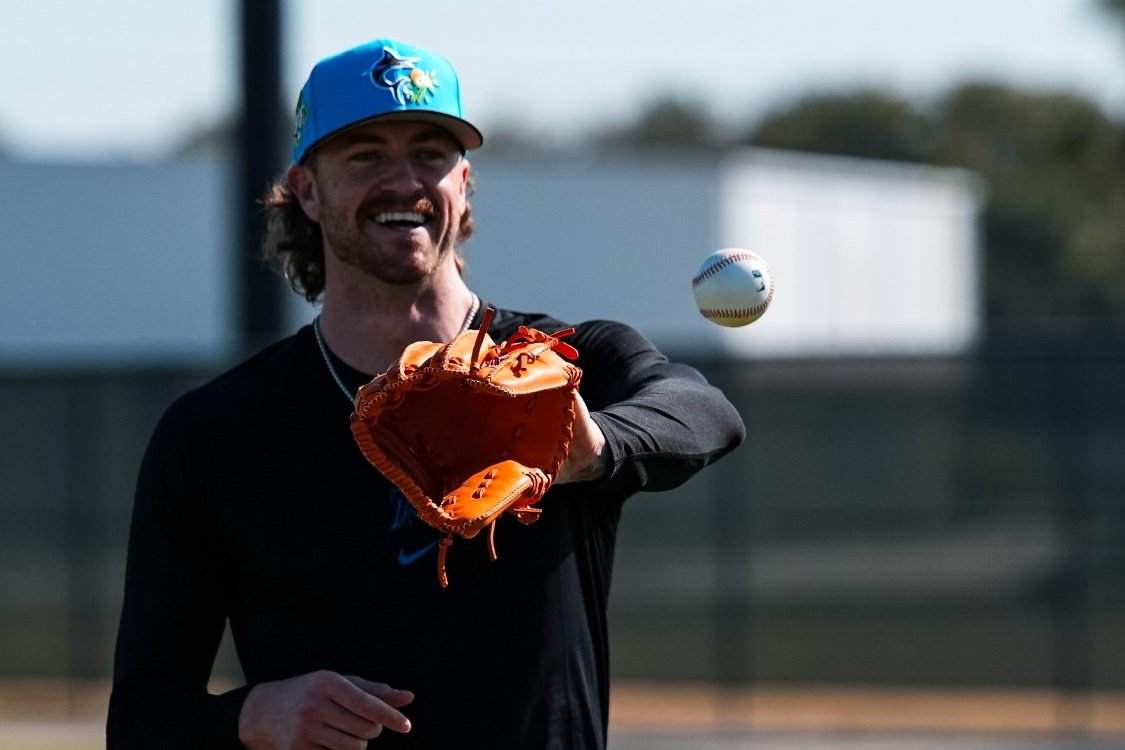 Often times in employment matching situations, the early interviewees are at a disadvantage. When many candidates are potential suitors, the first to attempt to sell themselves for the role have to stand out the most. That was the case this winter with Chris Paddack and the Marlins. “They were the first ones to call,” Paddack said Friday morning as he stepped foot in the Marlins’ newly renovated Jupiter Academy. The last time Paddack was in Jupiter, he was a bright-eyed 18 year old, recently graduated from his central Texas high school. Now 30, Paddack is embarking on his eighth MLB season. It’s a full-circle moment for the 2015 draftee, one he admittedly didn’t think would ever come. “When you’re a young kid out of high school, my eyes were on the prize of getting to the big leagues. You think that’s the team you’re going to ride with until your career is over. Very few times does that happen nowadays,” Paddack reflected. “It really is a full-circle moment for me. I go back to my drive down from Texas. I just was like, 'This is a cool opportunity to be back with the team that gave me that first chance as a young kid.' The fact that I get to put a Marlins jersey on and show the city of Miami why they drafted me is a pretty surreal moment.” Paddack rejoins Miami not only with a different mindset, but as a much more complete pitcher. As a high schooler, Paddack didn’t need more than his fastball and changeup to be dominant. During his MLB career, he’s developed a curveball, slider and two-seamer. Most recently, he added a cutter. Last season, Paddack, a self-described north-and-south guy, used a whopping six different pitches. “You realize really fast that you’re not in high school anymore. I need some pitches that kind of go in different routes, different directions,” Paddack said of his pitch usage. “You look at some of the elite pitchers, they’re always changing their arsenal, always mixing in new pitches, learning different grips from different guys, picking their brains. At the end of the day, we’re the only ones that can manipulate where the baseball goes, finding those grips and tricks and techniques that work for the individual.” In terms of his selection, Paddack doesn’t stick to any specific game plan—he goes off of his feel for the hitter and the zone at-bat to at-bat. “That’s the beauty that I’ve learned over the years is you can get guys out in different ways,” Paddack said. “Especially with how good the hitters are, with how much data they have on us, we have to be able to change up that game plan or that approach that second or third time through.” One thing will always be a priority for Paddack: locating in or around the strike zone, changing eye levels, a trait that before last season, allowed him to work deeper into games and post respectable FIPs. Wanting to challenge hitters is so much a part of Paddack’s game he notes that he may have gotten overzealous with it recently. “Sometimes I overly compete in the zone and it costs me some base hits with two strikes, or a runner’s on second and third and I’m trying to slow the game down and get out of that jam, and the next thing I know I’m putting up a crooked number and it happened very fast,” Paddack said. “I think over the course of the last couple of years, one, I’ve stayed healthy, and two, just being able to learn to get out of the zone when I need to. Not necessarily being fine because I throw strikes. That's what I do. That’s why I’m a starter. It’s being able to expand out of the zone when I need to.” Paddack is confident recent rule changes as well as recent developments to the Marlins’ scientific and analytical approach will be key cogs for him in getting back to striking a proper balance. “With the new ABS (automated ball-strike) system, I really think it’s going to benefit me personally with my pitch design, how my pitches work at the top of the zone and how my changeup kind of goes underneath,” Paddack noted. “I really think it’s gonna help me get some calls that I might have not gotten in years prior, or just making hitters realize I know how to command the baseball top, bottom, in and out. That might give me some more chases if I do leave the zone on purpose.” eqgjy4.mp4 Manager Clayton McCullough is excited about what Paddack can do for his pitching staff. While the veteran will have mostly younger competition nipping at his heels for the chance at a rotation spot this spring, McCullough noted Friday that he expects the righty to be an every fifth day guy when the season opens. “We think we can really help Chris. We think we can get a lot of his arsenal back into a place where he can perform more like he’s capable of,” McCullough said. “He’s a premium strike-thrower. He certainly has started a lot of games in the major leagues. It gives us another stable arm, we believe, that can fit right into our rotation and also we believe the upside to help him perform very well in 2026.” Paddack isn’t a flashy arm. He isn’t going to light up radar guns and he probably won’t be a guy who racks up a ton of strikeouts. But he is a veteran presence who has supreme confidence and a great pitcher's IQ. With the understanding that complacency is never acceptable and keeping up with the game is a necessity, he is looking to cement his strengths and redefine his weaknesses in his return to Miami. With a $4 million buy-in from the front office behind him, Paddack is going to get a chance to return to and stick as a starter as the Marlins’ competitive window opens. This landing spot for Paddack at this point in his career couldn’t be much better. The expectation is that Paddack is going to get back into his throwing program and start throwing bullpens early next week.
 -
Marlins right-hander Chris Paddack speaks to the media following his first day of spring training workouts. Paddack hopes his new club can help with the missing parts of his game.
-
Marlins right-hander Chris Paddack speaks to the media following his first day of spring training workouts. Paddack hopes his new club can help with the missing parts of his game. View full video
-
The internal debates were especially heated this time around, which bodes well for the long-term outlook of the Miami Marlins organization. Miami's farm system is deep. At Fish On First, we rank only 30 prospects at a time—there are dozens of others worth monitoring closely who could realistically grow into major league roles in the future. Each player's previous ranking—as of October 3—is shown in parentheses. Click the hyperlink in a player's name to visit their prospect profile. FOF Top 30 as of January 21, 2026 LHP Thomas White C Joe Mack LHP Robby Snelling OF Owen Caissie OF Dillon Lewis RHP Kevin Defrank INF Aiva Arquette SS Starlyn Caba OF Dillon Head OF Kemp Alderman INF/OF Andrew Salas OF Luis Cova RHP Karson Milbrandt OF Cam Cannarella INF Maximo Acosta OF Andrés Valor OF Brendan Jones RHP Eliazar Dishmey OF Fenwick Trimble INF Santiago Solarte LHP Keyner Benitez RHP Noble Meyer INF Cristian Hernández OF Esmil Valencia RHP Josh White OF PJ Morlando RHP Josh Ekness 1B Deyvison De Los Santos OF Brandon Compton INF Juan Matheus Removed since the previous update: INF Jared Serna (#24), RHP Nigel Belgrave (#25), INF Luis Arana (#26), RHP Liomar Martínez (#27), INF Drew Faurot (#28), C Ryan Ignoffo (#29) and OF Matthew Etzel (#30) are no longer ranked. Honorable mentions: OF José Castro, INF Jared Serna and INF Ronny Muñoz. The next detailed update to the FOF Top 30 will be coming in March during spring training. View full article
-
Top 30 prospects: Updated Marlins list includes 6 trade acquisitions
Alex Carver posted an article in FOF Prospects
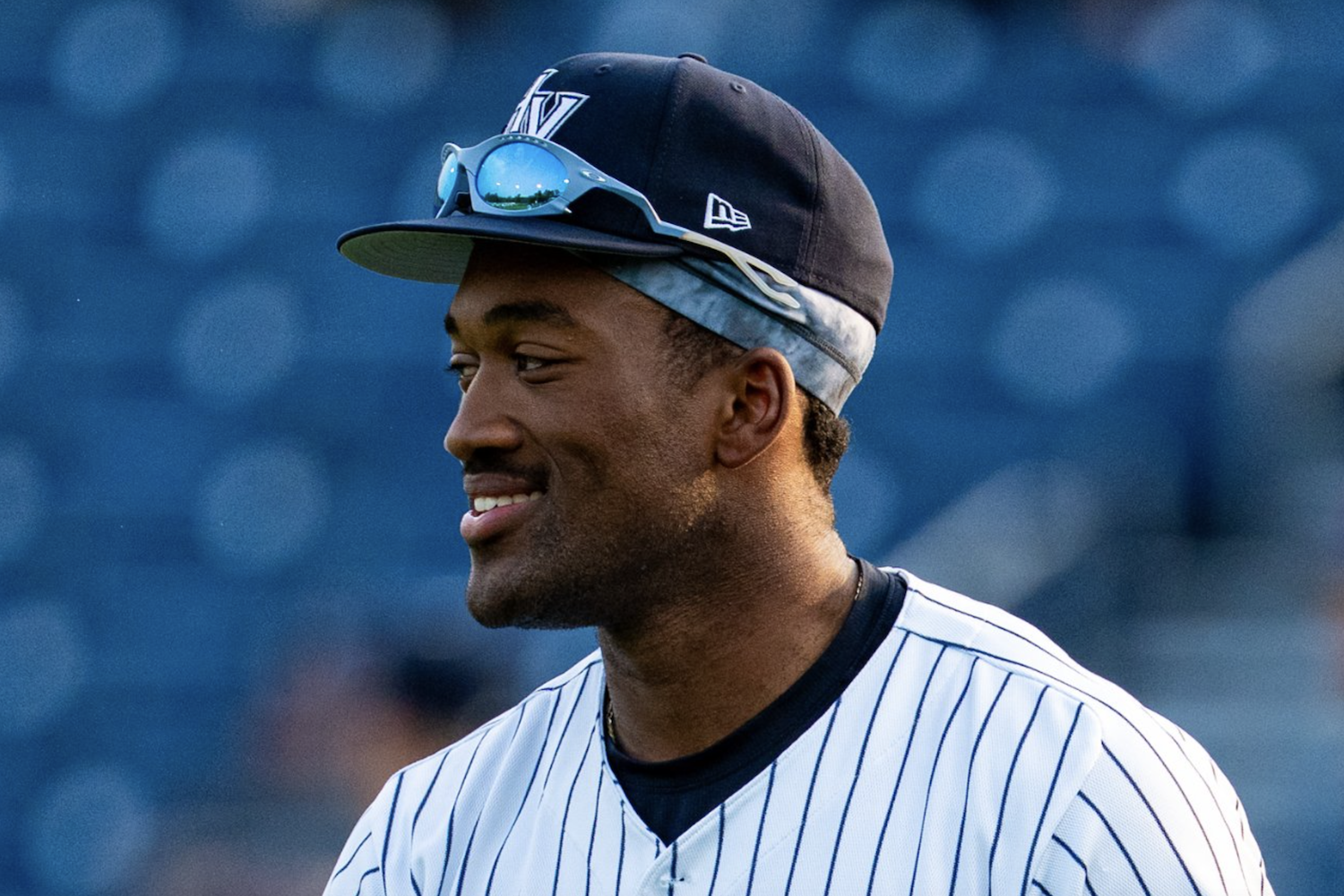 The internal debates were especially heated this time around, which bodes well for the long-term outlook of the Miami Marlins organization. Miami's farm system is deep. At Fish On First, we rank only 30 prospects at a time—there are dozens of others worth monitoring closely who could realistically grow into major league roles in the future. Each player's previous ranking—as of October 3—is shown in parentheses. Click the hyperlink in a player's name to visit their prospect profile. FOF Top 30 as of January 21, 2026 LHP Thomas White C Joe Mack LHP Robby Snelling OF Owen Caissie OF Dillon Lewis RHP Kevin Defrank INF Aiva Arquette SS Starlyn Caba OF Dillon Head OF Kemp Alderman INF/OF Andrew Salas OF Luis Cova RHP Karson Milbrandt OF Cam Cannarella INF Maximo Acosta OF Andrés Valor OF Brendan Jones RHP Eliazar Dishmey OF Fenwick Trimble INF Santiago Solarte LHP Keyner Benitez RHP Noble Meyer INF Cristian Hernández OF Esmil Valencia RHP Josh White OF PJ Morlando RHP Josh Ekness 1B Deyvison De Los Santos OF Brandon Compton INF Juan Matheus Removed since the previous update: INF Jared Serna (#24), RHP Nigel Belgrave (#25), INF Luis Arana (#26), RHP Liomar Martínez (#27), INF Drew Faurot (#28), C Ryan Ignoffo (#29) and OF Matthew Etzel (#30) are no longer ranked. Honorable mentions: OF José Castro, INF Jared Serna and INF Ronny Muñoz. The next detailed update to the FOF Top 30 will be coming in March during spring training.
- 7 comments
-
- 2
-
-
- thomas white
- joe mack
- (and 8 more)


