



Louis Addeo-Weiss
-
Posts
277 -
Joined
-
Last visited
-
Days Won
49
Content Type
Profiles
Miami Marlins Videos
2026 Miami Marlins Top Prospects Ranking
Miami Marlins Free Agent & Trade Rumors, Notes, & Tidbits
Guides & Resources
News
2025 Miami Marlins Draft Pick Tracker
2026 Miami Marlins Draft Tracker: Picks & Bonuses
Forums
Blogs
Events
Store
Downloads
Gallery
Everything posted by Louis Addeo-Weiss
-
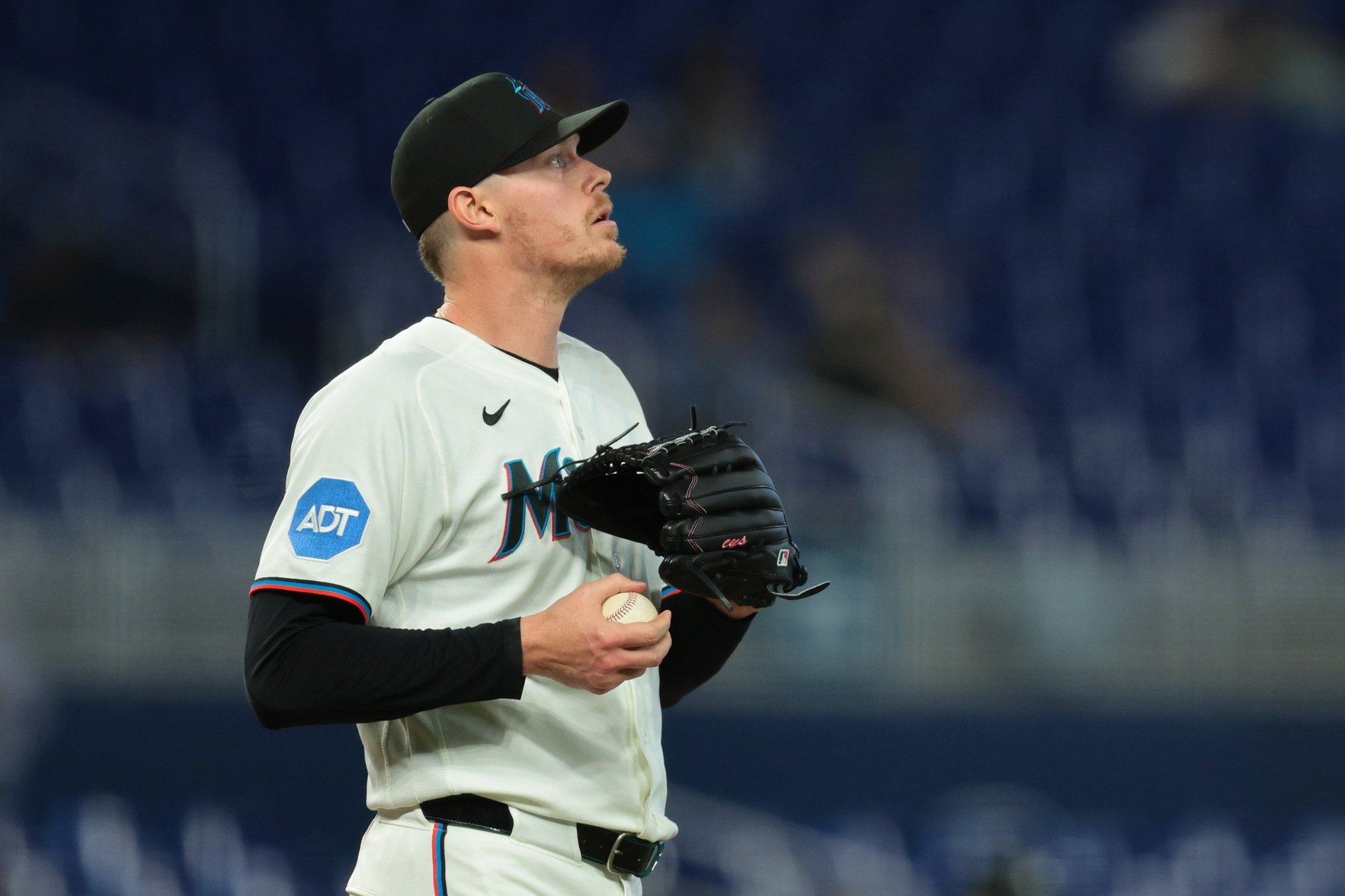 The Miami Marlins' big-ticket free agent signing from this past offseason has been one of their biggest liabilities thus far. Right-hander Pete Fairbanks inked a one-year, $13M pact in December, the most lucrative deal for any player during Peter Bendix's tenure as Marlins president of baseball operations. Fairbanks performed exactly as advertised on the club's season-opening homestand, posting goose eggs in the run column in his first three outings. His entrance from the bullpen has been a harbinger of suffering since then. Across those last seven innings, Fairbanks has allowed 11 runs, ballooning his season ERA to 9.00. He blew a save opportunity for the second time on Saturday against his former team, the Tampa Bay Rays, though Miami's offense bailed him out in extra innings. By win probability added, Fairbanks (-1.06 WPA) has been more detrimental to the Marlins' pursuit of relevance than any other player, even edging out the since-released Chris Paddack (-1.01 WPA). However, Fairbanks' peripherals tell us he's no worse a pitcher than he was in 2025. So much of the 32-year-old's uncharacteristic outcomes can be explained by bad luck. Fairbanks enters Sunday with a 3.20 FIP in 2026. That figure was 3.63 the year before and 3.50 the year before that. His career mark is 3.11. His strikeout minus walk rate is better than his overall career rate and he has surrendered only one home run, which came off the bat of early-season American League MVP candidate Ben Rice. Fairbanks has underachieved his expected earned run average by 5.85 runs, according to Baseball Savant. That is the 15th-largest margin out of the 480 MLB pitchers to face at least 25 hitters this season, putting him in the 97th percentile of "unluckiness." This is not comparable to the notoriously regrettable acquisition of Heath Bell 14 years earlier. Fairbanks, for the first time in his career, has a feel for three reliable putaway pitches in his four-seam fastball, slider and cutter. And he has all the motivation that he needs to get back on track with another trip through free agency looming following the 2026 campaign. If there is one area Fairbanks ought to emphasize, it's generating more ground balls. Although that backfired on him Saturday with Nick Fortes' game-tying RBI single, grounders are far easier overall for defenses to convert into outs. He currently possesses the lowest GB% in MLB (min. 25 BF). Expectations for Fairbanks should not be lowered despite the lowlights he has produced. With regular usage moving forward—his season has been interrupted previously by the birth of a child and a bout of nerve irritation—he's capable of resuming his usual high-caliber ways.
 -
Marlins bats rally in the 10th after rough homecoming for Fairbanks
Louis Addeo-Weiss posted an article in Marlins
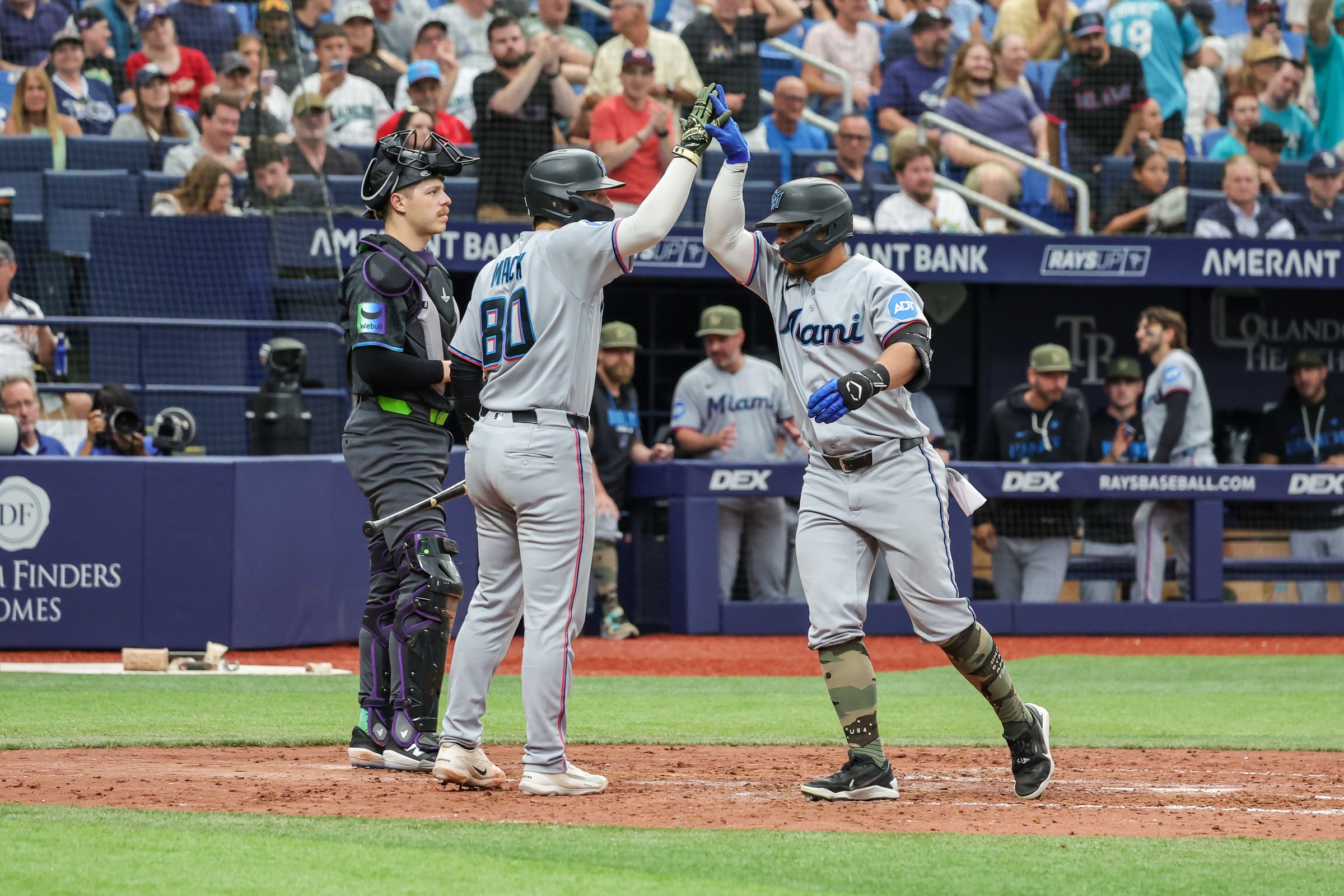 Pete Fairbanks ' tenure with the Tampa Bay Rays was one deserving of praise. Seven seasons, 256 plus innings pitched, 90 saves, an ERA below 3, and an American League pennant. So, when he returned to the place affectionately known as "The Trop," now a member of the Miami Marlins, a wave of emotion had to have hit him like a Mack truck. However, when tasked with securing the save in a one-run game headed into the bottom of the 9th, that emotion was substituted for pure adrenaline. Making his first appearance since sustaining nerve irritation in his right thumb on April 27th, Fairbanks recorded the first out by setting Richie Palacios down on strikes. What would follow only added to an already topsy-turvy game on both sides. Cedric Mullins worked a walk before stealing second and advancing to third on an errant Joe Mack throw. With two outs and Mullins now 90 feet from tying the score at two, Nick Fortes , a former Marlin, came to the plate against the former Ray in Fairbanks. In keeping with the proverbial nature that comes with baseball, Fortes would hit a ground ball to third baseman Javier Sanoja that had more spin than your average grounder, ultimately escaping the grasp of Sanoja and allowing Mullins to score and saddling Fairbanks with a blown save. "It's been hard to put together because of the uneven time and being away..but I thought the stuff was great," noted Clayton McCullough, who picked up his 100th managerial win. Just a half inning prior, Sanoja put Miami ahead with an RBI double, a much-needed break for someone who entered play Saturday batting .080 in May. While most blown leads for the Marlins suggest the inevitability of an eventual loss, the bats had other plans come the top of the 10th. Batting around, the Marlins scored eight unanswered runs on six hits, including another run-scoring double courtesy of Sanoja. Liam Hicks reclaimed sole possession of first place in runs batted in, now with 40 entering play Sunday. And though Lake Bachar would cough up a three-spot in the bottom half, Miami held on to take the second game, 10-5. "We hung in there, and certainly didn't have some of our finest moments, but we just have to find a way to win," uttered McCullough. Now 21-25, the Marlins trail the Phillies and Nationals by two games for second place in the National League East. In what would end up being a no-decision, his fourth in as many outings, Sandy Alcantara stymied the Rays' bats to the tune of six innings of one-run ball, striking out six. Alcantara will enter his next start 24 strikeouts shy of 1,000 for his career. In 10 starts this season, Alcantara owns a 3.53 ERA, all while trailing only Christopher Sanchez (who twirled a six-hit, 13 strikeout shutout on Saturday) for the MLB lead in innings pitched. Alcantara has thrown 63.2 innings to Sanchez's 64.1. In four career starts at Tropicana Field, Alcantara owns a sterling 1.67 ERA. "It was one of those games where we never gave up," noted Alcantara postgame. Tampa's lone run off Alcantara came in the bottom of the third when Chandler Simpson singled in Taylor Walls. Overcoming the adversity of a season-high four errors, Miami's offense was held scoreless for the first six innings at the mercy of Nick Martinez , who lowered his season ERA to 1.51. Among qualified pitchers this season, only Cam Schlittler (1.35) has a lower ERA than the aforementioned Martinez. Of the four Miami errors on the day, two came in a fifth inning that could have very easily gotten away from Alcantara and Co. With two outs and the light-hitting Walls batting, Xavier Edwards uncorked an errant throw for his second error of the day. Immediately following him, Chandler Simpson hit a ground ball that Sanoja was unable to corral, turning what looked to be a 1-2-3 inning into one where Alcantara threw 22 pitches. Trailing entering the seventh, Heriberto Hernández, facing the team he spent parts of three seasons with in the minor leagues, blasted a game-tying home run deep into the left field stands. Looking Ahead The Marlins and Rays will close out the series on Sunday afternoon in the rubber match. Eury Pérez (2-5, 4.94 ERA) will look to solve his road woes as he takes the ball for Miami. In 26 career starts away from loanDepot Park, Pérez owns a 5.14 ERA, averaging fewer than five innings per outing, though he has posted a 2.81 ERA in games pitched on artificial turf. Sunday will mark Pérez's first career start against Tampa Bay. Opposing Pérez, Drew Rasmussen (3-1, 3.16 ERA), will make his seventh career appearance against Miami. In 26 career innings against, Rasmussen has pitched to a 2.08 ERA. First pitch from Tropicana Field is slated for 12:15 EST.
 -
Pete Fairbanks ' tenure with the Tampa Bay Rays was one deserving of praise. Seven seasons, 256 plus innings pitched, 90 saves, an ERA below 3, and an American League pennant. So, when he returned to the place affectionately known as "The Trop," now a member of the Miami Marlins, a wave of emotion had to have hit him like a Mack truck. However, when tasked with securing the save in a one-run game headed into the bottom of the 9th, that emotion was substituted for pure adrenaline. Making his first appearance since sustaining nerve irritation in his right thumb on April 27th, Fairbanks recorded the first out by setting Richie Palacios down on strikes. What would follow only added to an already topsy-turvy game on both sides. Cedric Mullins worked a walk before stealing second and advancing to third on an errant Joe Mack throw. With two outs and Mullins now 90 feet from tying the score at two, Nick Fortes , a former Marlin, came to the plate against the former Ray in Fairbanks. In keeping with the proverbial nature that comes with baseball, Fortes would hit a ground ball to third baseman Javier Sanoja that had more spin than your average grounder, ultimately escaping the grasp of Sanoja and allowing Mullins to score and saddling Fairbanks with a blown save. "It's been hard to put together because of the uneven time and being away..but I thought the stuff was great," noted Clayton McCullough, who picked up his 100th managerial win. Just a half inning prior, Sanoja put Miami ahead with an RBI double, a much-needed break for someone who entered play Saturday batting .080 in May. While most blown leads for the Marlins suggest the inevitability of an eventual loss, the bats had other plans come the top of the 10th. Batting around, the Marlins scored eight unanswered runs on six hits, including another run-scoring double courtesy of Sanoja. Liam Hicks reclaimed sole possession of first place in runs batted in, now with 40 entering play Sunday. And though Lake Bachar would cough up a three-spot in the bottom half, Miami held on to take the second game, 10-5. "We hung in there, and certainly didn't have some of our finest moments, but we just have to find a way to win," uttered McCullough. Now 21-25, the Marlins trail the Phillies and Nationals by two games for second place in the National League East. In what would end up being a no-decision, his fourth in as many outings, Sandy Alcantara stymied the Rays' bats to the tune of six innings of one-run ball, striking out six. Alcantara will enter his next start 24 strikeouts shy of 1,000 for his career. In 10 starts this season, Alcantara owns a 3.53 ERA, all while trailing only Christopher Sanchez (who twirled a six-hit, 13 strikeout shutout on Saturday) for the MLB lead in innings pitched. Alcantara has thrown 63.2 innings to Sanchez's 64.1. In four career starts at Tropicana Field, Alcantara owns a sterling 1.67 ERA. "It was one of those games where we never gave up," noted Alcantara postgame. Tampa's lone run off Alcantara came in the bottom of the third when Chandler Simpson singled in Taylor Walls. Overcoming the adversity of a season-high four errors, Miami's offense was held scoreless for the first six innings at the mercy of Nick Martinez , who lowered his season ERA to 1.51. Among qualified pitchers this season, only Cam Schlittler (1.35) has a lower ERA than the aforementioned Martinez. Of the four Miami errors on the day, two came in a fifth inning that could have very easily gotten away from Alcantara and Co. With two outs and the light-hitting Walls batting, Xavier Edwards uncorked an errant throw for his second error of the day. Immediately following him, Chandler Simpson hit a ground ball that Sanoja was unable to corral, turning what looked to be a 1-2-3 inning into one where Alcantara threw 22 pitches. Trailing entering the seventh, Heriberto Hernández, facing the team he spent parts of three seasons with in the minor leagues, blasted a game-tying home run deep into the left field stands. Looking Ahead The Marlins and Rays will close out the series on Sunday afternoon in the rubber match. Eury Pérez (2-5, 4.94 ERA) will look to solve his road woes as he takes the ball for Miami. In 26 career starts away from loanDepot Park, Pérez owns a 5.14 ERA, averaging fewer than five innings per outing, though he has posted a 2.81 ERA in games pitched on artificial turf. Sunday will mark Pérez's first career start against Tampa Bay. Opposing Pérez, Drew Rasmussen (3-1, 3.16 ERA), will make his seventh career appearance against Miami. In 26 career innings against, Rasmussen has pitched to a 2.08 ERA. First pitch from Tropicana Field is slated for 12:15 EST. View full article
-
Bats breakthrough to soften blow of Max Meyer's homecoming labors
Louis Addeo-Weiss posted an article in Marlins
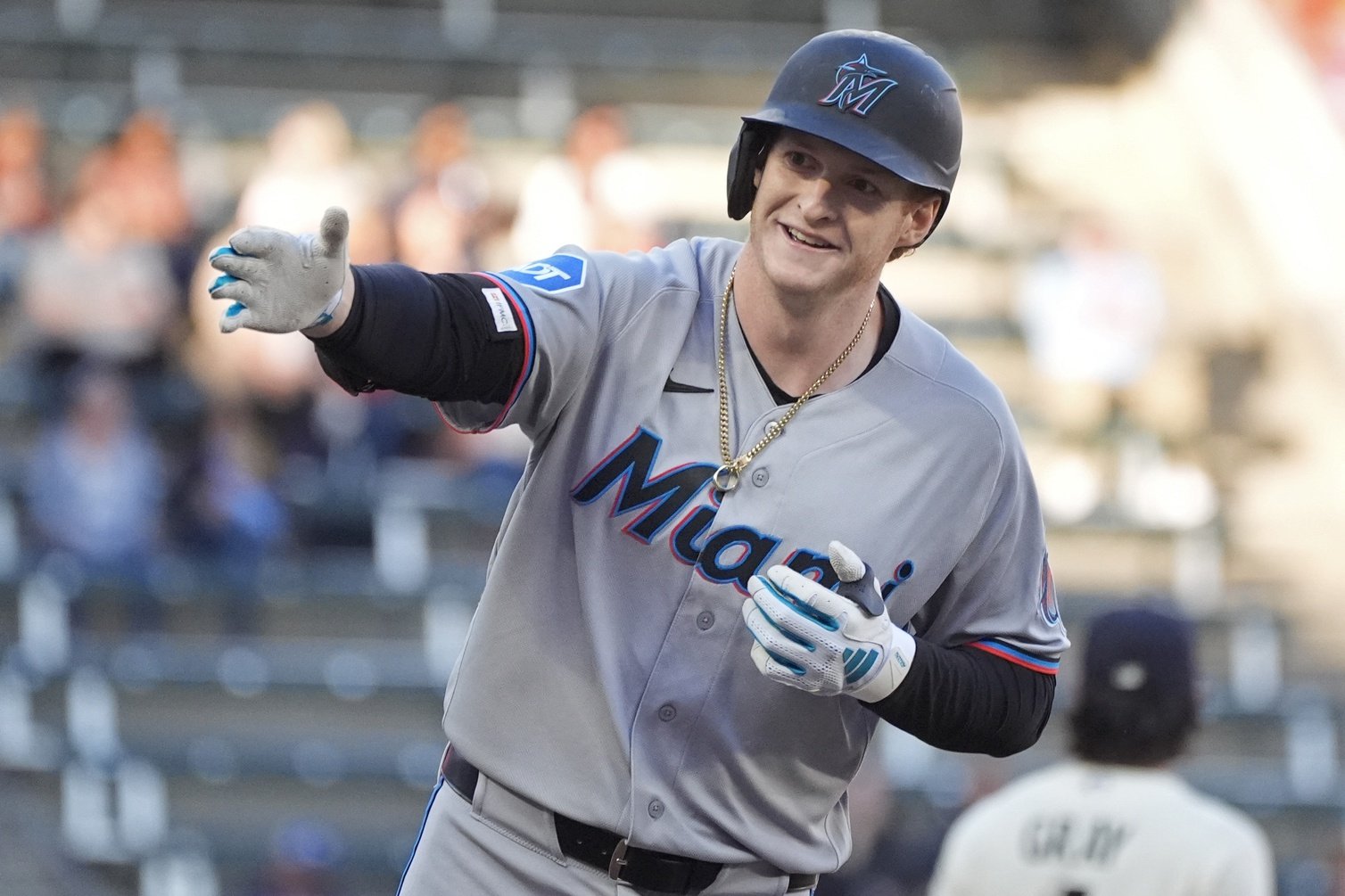 On the night when they learned they were likely to be without top pitching prospect Robby Snelling , the Marlins were in desperate need of a feel-good game to get back on the winning path. Snelling, currently the club's second-ranked prospect, would be placed on the injured list with a UCL sprain. It is yet to be determined whether he will undergo season-ending Tommy John surgery. Thanks to a nine-run outburst from the bats and a voluminous outing from Max Meyer, the Marlins got just that in their 9-5 win over the Minnesota Twins, a much-needed reprieve after being two-hit by Bailey Ober in the series opener. Making his first career Major League start in his home state and with Byron Buxton at his craw, Meyer gutted it through 5.2 innings of four-run ball in the winning effort. Now 3-0 to begin the season, Meyer has matched his previous career high in wins. "He grinded through this one a bit...he's come so far as a starter and now has many weapons in his arsenal," noted manager Clayton McCullough. On the evening, Meyer generated 22 whiffs on the 46 swings against him (48%), 11 of which came on behalf of his slider. As a result, the former first-round pick netted a season-high nine strikeouts. Four of Meyer's whiffs came on a retooled changeup, a pitch Meyer noted he and pitching coach Daniel Moskos were tinkering with pitch grips. "Felt like any other game this year, honestly," reflected Meyer on his first start in his home state. Facing the aforementioned Buxton, the first pitch Meyer threw in his home state landed in the left field stands of Target Field for Buxton's fourteenth home run of the season. Two innings later, again sitting on the first pitch, Buxton doubled up on Meyer for his fifteenth on the year, blasting his second home run in as many trips to the plate. At the plate, the Marlins got off to a fast start, with each of the first five Miami hitters reaching base against Simeon Woods-Richardson (3+ IP, 8 R). Of the 91 pitchers to throw at least 40 innings to this point in the season, none have a higher ERA than Woods-Richardson's 7.71, Following a two-run top of the first, Owen Caissie would break the game open for Miami when he sent his third home run of the season into the Twins bullpen in left-center in the top of the second. However, it would be the team's four-run fourth inning that proved the difference, as Joe Mack, Xavier Edwards, and Liam Hicks all authored run-scoring hits. Hicks became the fourth player in franchise history to collect at least 38 RBI in his first 40 games of the season. With the win, the Marlins improve to 20-23, even record-wise with third-place Philadelphia in the NL East. Notables - Pete Fairbanks, the club's closer and big-ticket free agent addition for the Marlins, was activated off the injured list (right thumb). - Leo Jiménez had three hits in the win on Wednesday, marking the second time in his career he's done so, Looking Ahead The Marlins will bid farewell to the Twins in 2026 in Thursday's season finale. Braxton Garrett (4.03 ERA) will make his first Major League appearance since June 17, 2024. First pitch from Target Field is slated for 1:40 EST.
 -
On the night when they learned they were likely to be without top pitching prospect Robby Snelling , the Marlins were in desperate need of a feel-good game to get back on the winning path. Snelling, currently the club's second-ranked prospect, would be placed on the injured list with a UCL sprain. It is yet to be determined whether he will undergo season-ending Tommy John surgery. Thanks to a nine-run outburst from the bats and a voluminous outing from Max Meyer, the Marlins got just that in their 9-5 win over the Minnesota Twins, a much-needed reprieve after being two-hit by Bailey Ober in the series opener. Making his first career Major League start in his home state and with Byron Buxton at his craw, Meyer gutted it through 5.2 innings of four-run ball in the winning effort. Now 3-0 to begin the season, Meyer has matched his previous career high in wins. "He grinded through this one a bit...he's come so far as a starter and now has many weapons in his arsenal," noted manager Clayton McCullough. On the evening, Meyer generated 22 whiffs on the 46 swings against him (48%), 11 of which came on behalf of his slider. As a result, the former first-round pick netted a season-high nine strikeouts. Four of Meyer's whiffs came on a retooled changeup, a pitch Meyer noted he and pitching coach Daniel Moskos were tinkering with pitch grips. "Felt like any other game this year, honestly," reflected Meyer on his first start in his home state. Facing the aforementioned Buxton, the first pitch Meyer threw in his home state landed in the left field stands of Target Field for Buxton's fourteenth home run of the season. Two innings later, again sitting on the first pitch, Buxton doubled up on Meyer for his fifteenth on the year, blasting his second home run in as many trips to the plate. At the plate, the Marlins got off to a fast start, with each of the first five Miami hitters reaching base against Simeon Woods-Richardson (3+ IP, 8 R). Of the 91 pitchers to throw at least 40 innings to this point in the season, none have a higher ERA than Woods-Richardson's 7.71, Following a two-run top of the first, Owen Caissie would break the game open for Miami when he sent his third home run of the season into the Twins bullpen in left-center in the top of the second. However, it would be the team's four-run fourth inning that proved the difference, as Joe Mack, Xavier Edwards, and Liam Hicks all authored run-scoring hits. Hicks became the fourth player in franchise history to collect at least 38 RBI in his first 40 games of the season. With the win, the Marlins improve to 20-23, even record-wise with third-place Philadelphia in the NL East. Notables - Pete Fairbanks, the club's closer and big-ticket free agent addition for the Marlins, was activated off the injured list (right thumb). - Leo Jiménez had three hits in the win on Wednesday, marking the second time in his career he's done so, Looking Ahead The Marlins will bid farewell to the Twins in 2026 in Thursday's season finale. Braxton Garrett (4.03 ERA) will make his first Major League appearance since June 17, 2024. First pitch from Target Field is slated for 1:40 EST. View full article
-
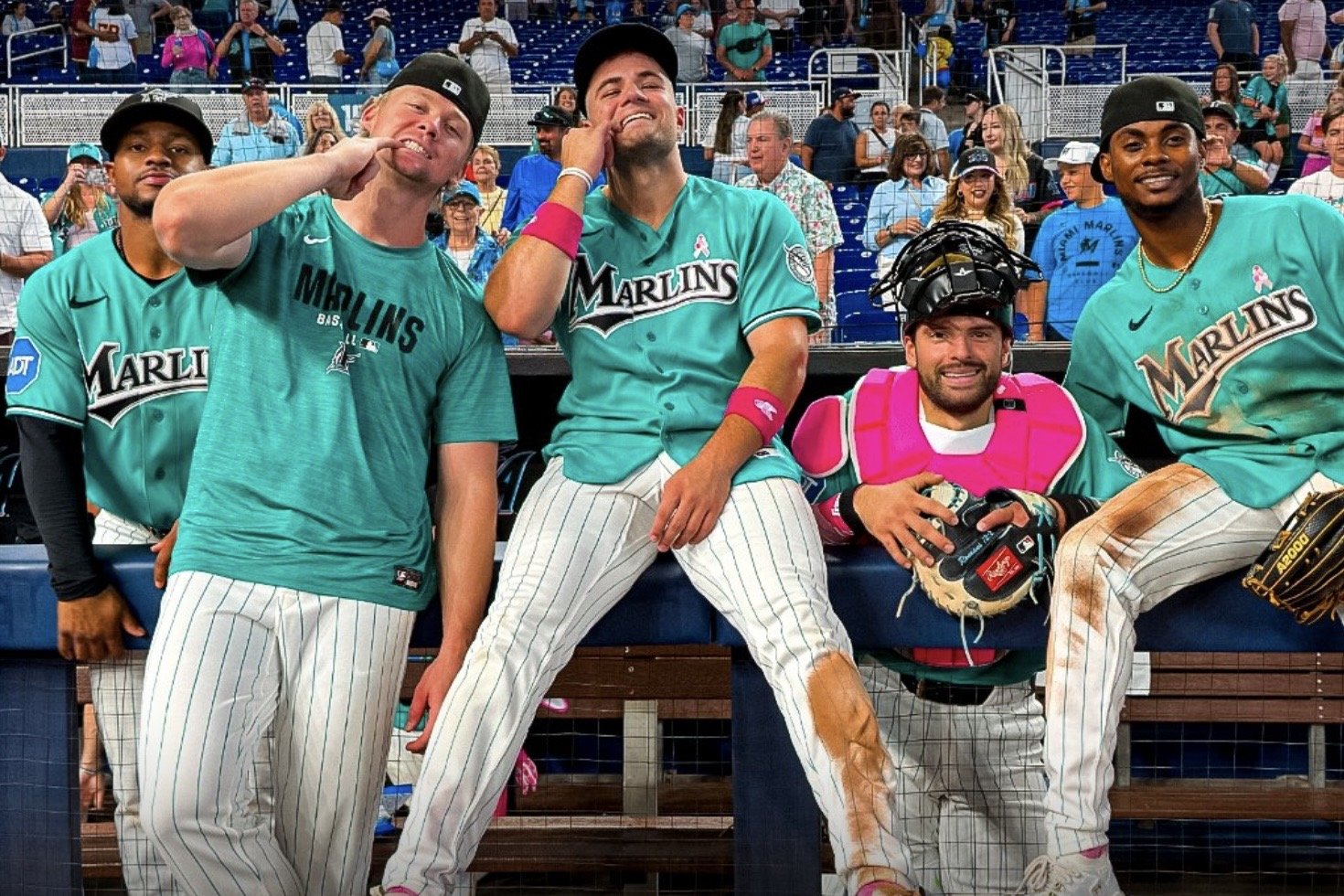 MIAMI — The month of May had not been kind to the Marlins, early. Entering Sunday, 3-6 in a stretch that saw them play their tenth game in as many days, it would be up to Sandy Alcantara to be the tone-setter if they were to look to win this series against the Washington Nationals. Making his 90th career start at loanDepot park on this Mother's Day Sunday, Alcantara twirled six innings of two-run ball in Miami's 5-2 win over the Nationals, ultimately coming away with a no-decision. Upon completing a 1-2-3 top of the sixth, Alcantara, at 89 pitches, appeared as if a seventh inning wasn't out of the question. However, after throwing a season-high 106 pitches in his previous outing, manager Clayton McCullough deferred to his bullpen to slam the door. "I thought I was going back out there for the seventh," said Alcantara, whose workhorse mentality has garnered him league-wide respect. Through nine starts this season, only Max Fried (58.2) has thrown more innings than Alcantara's 57.2, with the latter's total pacing the senior circuit. "We felt like, at six and right at 90 pitches, a couple runs, he really did his job," noted McCullough, now just two wins shy of 100 in his young managerial career. In relief of Alcantara, the Marlins bullpen tandem of Calvin Faucher, Andrew Nardi, and Josh Ekness pitched in to throw three scoreless innings. Pitching in just his fourth career big league game, Ekness would be called on with two outs in the ninth in what would result in his first career save. Miami's offense would open the scoring in the bottom of the third, hanging a two-spot on Washington starter and former top prospect Cade Cavalli (5.2, 4 H, 2 R, 4 K), started by Joe Mack's first career walk. Liam Hicks would single Mack home before a routine ground ball hit by Otto Lopez went right through the legs of Nasim Nuñez, allowing Xavier Edwards to plate the Marlins' second run. Washington would begin to claw back, though, as they quickly turned a Luis Garcia Jr. leadoff triple into their first run in the top of the fourth. They would eventually tie the scoring at 2-2 when James Wood's fielder's choice plated second baseman Jorbit Vivas. Heading into the bottom of the eighth with the score unchanged, Kyle Stowers worked a walk after starting down 0-2. With Esteury Ruiz pinch-running, Jakob Marsee reached base via a walk before executing, with Ruiz, a double steal to get the pair into scoring position. It would be the unlikeliest of heroes to provide the deciding blow, as Christopher Morel, who entered that at-bat hitting just .148, scraped a single just in front of centerfielder Jacob Young to give the Marlins the lead. Immediately following Morel, Heriberto Hernandez, not in the starting lineup until some thirty minutes ahead of first pitch due to Owen Caissie experiencing right triceps soreness, laced a single down the third base line to give the Marlins some added insurance. Hernandez was previously with the club before being optioned to AAA following a start to the season that saw him hit .159 over his first 22 games. Miami improved to 19-22, concluding their 10-game homestand 4-6, sharing a three-way tie with Washington and Philadelphia for second place in the National League East. Looking Ahead Off Monday, the Marlins will resume play on Tuesday, beginning a six-game road trip against the Minnesota Twins. Eury Pérez (2-4, 5.01 ERA) will take the ball in the series opener. In his lone career start against them on July 3 last season, Pérez twirled six innings of one-hit ball. First pitch from Target Field is slated for 7:40 EST.
 -
How Fish wrapped up homestand on winning note
Louis Addeo-Weiss posted a topic in Miami Marlins Talk
MIAMI — The month of May had not been kind to the Marlins, early. Entering Sunday, 3-6 in a stretch that saw them play their tenth game in as many days, it would be up to Sandy Alcantara to be the tone-setter if they were to look to win this series against the Washington Nationals. Making his 90th career start at loanDepot park on this Mother's Day Sunday, Alcantara twirled six innings of two-run ball in Miami's 5-2 win over the Nationals, ultimately coming away with a no-decision. Upon completing a 1-2-3 top of the sixth, Alcantara, at 89 pitches, appeared as if a seventh inning wasn't out of the question. However, after throwing a season-high 106 pitches in his previous outing, manager Clayton McCullough deferred to his bullpen to slam the door. "I thought I was going back out there for the seventh," said Alcantara, whose workhorse mentality has garnered him league-wide respect. Through nine starts this season, only Max Fried (58.2) has thrown more innings than Alcantara's 57.2, with the latter's total pacing the senior circuit. "We felt like, at six and right at 90 pitches, a couple runs, he really did his job," noted McCullough, now just two wins shy of 100 in his young managerial career. In relief of Alcantara, the Marlins bullpen tandem of Calvin Faucher, Andrew Nardi, and Josh Ekness pitched in to throw three scoreless innings. Pitching in just his fourth career big league game, Ekness would be called on with two outs in the ninth in what would result in his first career save. Miami's offense would open the scoring in the bottom of the third, hanging a two-spot on Washington starter and former top prospect Cade Cavalli (5.2, 4 H, 2 R, 4 K), started by Joe Mack's first career walk. Liam Hicks would single Mack home before a routine ground ball hit by Otto Lopez went right through the legs of Nasim Nuñez, allowing Xavier Edwards to plate the Marlins' second run. Washington would begin to claw back, though, as they quickly turned a Luis Garcia Jr. leadoff triple into their first run in the top of the fourth. They would eventually tie the scoring at 2-2 when James Wood's fielder's choice plated second baseman Jorbit Vivas. Heading into the bottom of the eighth with the score unchanged, Kyle Stowers worked a walk after starting down 0-2. With Esteury Ruiz pinch-running, Jakob Marsee reached base via a walk before executing, with Ruiz, a double steal to get the pair into scoring position. It would be the unlikeliest of heroes to provide the deciding blow, as Christopher Morel, who entered that at-bat hitting just .148, scraped a single just in front of centerfielder Jacob Young to give the Marlins the lead. Immediately following Morel, Heriberto Hernandez, not in the starting lineup until some thirty minutes ahead of first pitch due to Owen Caissie experiencing right triceps soreness, laced a single down the third base line to give the Marlins some added insurance. Hernandez was previously with the club before being optioned to AAA following a start to the season that saw him hit .159 over his first 22 games. Miami improved to 19-22, concluding their 10-game homestand 4-6, sharing a three-way tie with Washington and Philadelphia for second place in the National League East. Looking Ahead Off Monday, the Marlins will resume play on Tuesday, beginning a six-game road trip against the Minnesota Twins. Eury Pérez (2-4, 5.01 ERA) will take the ball in the series opener. In his lone career start against them on July 3 last season, Pérez twirled six innings of one-hit ball. First pitch from Target Field is slated for 7:40 EST. View full article -
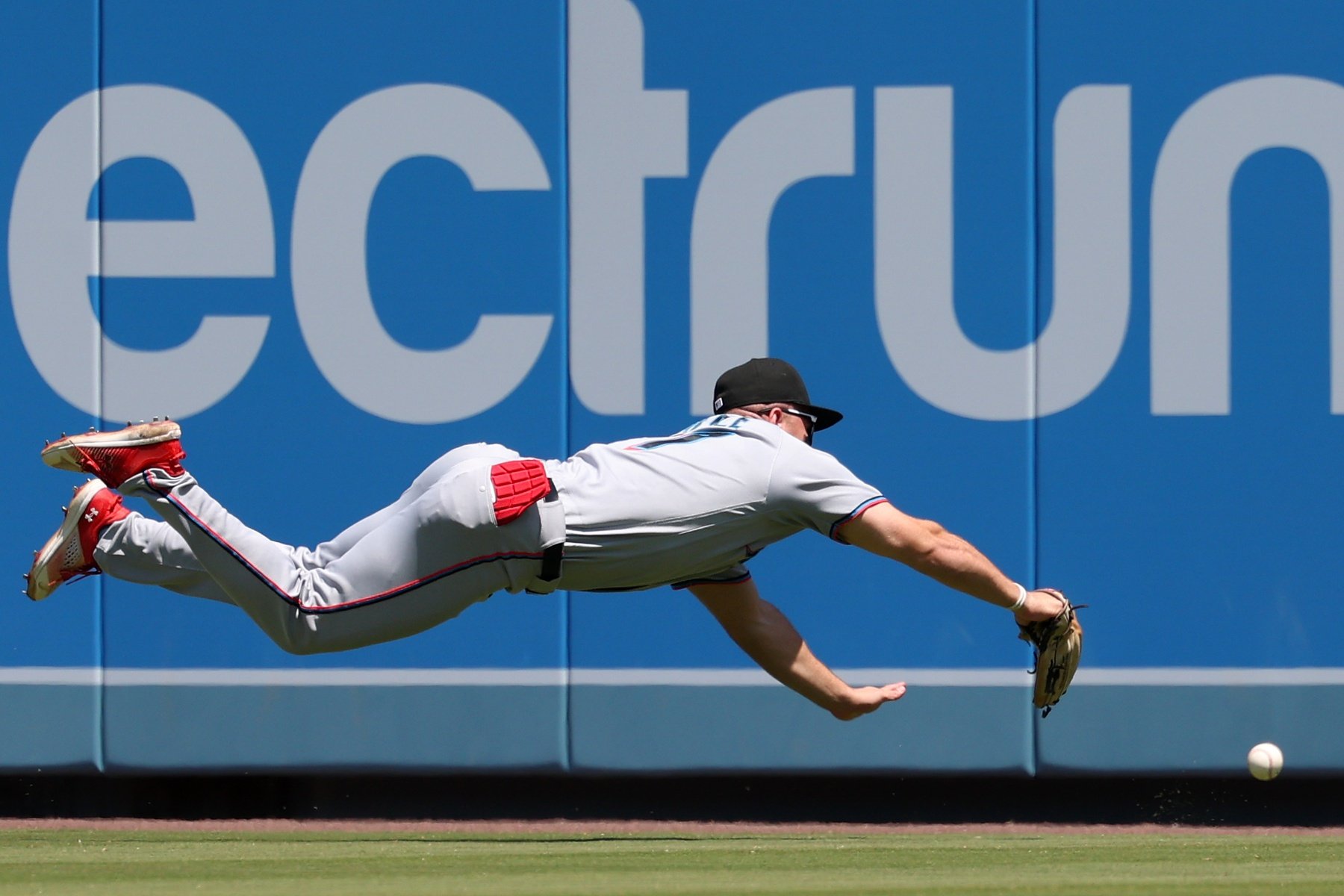 With the dawn of each new baseball season comes expectations for how players will perform. Those expectations could be shaped by what they've done in previous seasons or how their raw talents are projected to translate to on-field production. In the early going, randomness runs rampant. Former All-Star Cedric Mullins has an OPS 300 points below his career average and he ranks dead last among all qualified MLB hitters. Veteran right-hander Luis Castillo, who hasn't posted an ERA above 4.00 since 2018, is tied for the most runs allowed in the American League. However, the length of the MLB schedule is immense and regression is inevitable. The impetus for this piece is actually a Marlin: second-year outfielder Jakob Marsee. For a team so long deprived of premium, homegrown talent, the addition of Marsee was a welcome sight to the Marlins and their future. In his 55-game debut in 2025, Marsee slashed .292/.363/.478/.842, all while playing a premium defensive position in center field, where he was worth five total zone runs. The beginning of his 2026 has paled in comparison to his previous year's work. Through 34 games played, Marsee has hit a mere .185/.305/.262/.567 for a paltry 66 wRC+. While the Marlins have shown a willingness to demote (and outright cut) other underachievers this season, Marsee's job doesn't appear to be in any jeopardy as his process should portend better results. Despite his sub-Mendoza line batting average, Marsee is walking in 13.5 percent of his plate appearances. Through play on May 2, only 31 of the qualified 179 hitters are walking at that clip, and only two are hitting below .200. In 2025, merely nine players walked north of 14 percent of the time, a list that included Aaron Judge, Juan Soto, Mike Trout, and Shohei Ohtani—not to say that Marsee will ascend to those heights, but enough to tell you that his ability to work counts will eventually pay dividends. The 24-year-old has raised his average launch angle from 10.9 to 18.9 degrees, the same as the Dodgers' Will Smith and just below Cody Bellinger (19.1) and Yordan Alvarez (19.2). Marsee's teammate, Xavier Edwards, himself off to a strong start, for context, has an average launch angle this season of 10.8 degrees, reinforcing that a steeper angle correlates to more power potential. Should Marsee sustain this, we could see him knock a few more balls out of the yard in due time. For the time being, the Marlins have taken a small step to lighten Marsee's responsibility within their offense. On Tuesday, he was dropped to the fifth spot in the starting lineup for the first time in 2026. To be consistent, we ought to similarity call out unsustainable success when we see it. Reliever John King is the poster child for that. Inking a 1-year/$1.5M deal, King had proved himself a serviceable middle reliever, sporting a 3.80 ERA in parts of six seasons pitched with Texas and St. Louis to secure a one-year, $1.5 million deal from Miami in free agency. In 17 games since joining the club, King has arguably been the Marlins best pitcher on a per-inning basis, posting a minuscule 0.57 ERA and allowing just a trio of hits across 15 ⅔ innings pitched. King entered Tuesday with a 2.36 xERA, good enough for a 93rd percentile ranking among MLB pitchers. Hitters are seldom squaring him up as reflected in a mere 25.7% hard-hit rate (96th percentile) and a .167 xBA (also 96th). Kevin Barral spoke with King recently about how unpredictability in pitch usage has been vital to his success. However, let's not ignore that King's 3.52 FIP and 3.87 xFIP are closely aligned with his pre-Marlins track record. Scouting reports will catch up to how he has de-emphasized his sinker this season. He's a capable arm in a big league bullpen, not the utterly dominant force he's been to this point. Even if he is what the underlying metrics say he is, Peter Bendix and Co. got a bargain of a deal.
 -
With the dawn of each new baseball season comes expectations for how players will perform. Those expectations could be shaped by what they've done in previous seasons or how their raw talents are projected to translate to on-field production. In the early going, randomness runs rampant. Former All-Star Cedric Mullins has an OPS 300 points below his career average and he ranks dead last among all qualified MLB hitters. Veteran right-hander Luis Castillo, who hasn't posted an ERA above 4.00 since 2018, is tied for the most runs allowed in the American League. However, the length of the MLB schedule is immense and regression is inevitable. The impetus for this piece is actually a Marlin: second-year outfielder Jakob Marsee. For a team so long deprived of premium, homegrown talent, the addition of Marsee was a welcome sight to the Marlins and their future. In his 55-game debut in 2025, Marsee slashed .292/.363/.478/.842, all while playing a premium defensive position in center field, where he was worth five total zone runs. The beginning of his 2026 has paled in comparison to his previous year's work. Through 34 games played, Marsee has hit a mere .185/.305/.262/.567 for a paltry 66 wRC+. While the Marlins have shown a willingness to demote (and outright cut) other underachievers this season, Marsee's job doesn't appear to be in any jeopardy as his process should portend better results. Despite his sub-Mendoza line batting average, Marsee is walking in 13.5 percent of his plate appearances. Through play on May 2, only 31 of the qualified 179 hitters are walking at that clip, and only two are hitting below .200. In 2025, merely nine players walked north of 14 percent of the time, a list that included Aaron Judge, Juan Soto, Mike Trout, and Shohei Ohtani—not to say that Marsee will ascend to those heights, but enough to tell you that his ability to work counts will eventually pay dividends. The 24-year-old has raised his average launch angle from 10.9 to 18.9 degrees, the same as the Dodgers' Will Smith and just below Cody Bellinger (19.1) and Yordan Alvarez (19.2). Marsee's teammate, Xavier Edwards, himself off to a strong start, for context, has an average launch angle this season of 10.8 degrees, reinforcing that a steeper angle correlates to more power potential. Should Marsee sustain this, we could see him knock a few more balls out of the yard in due time. For the time being, the Marlins have taken a small step to lighten Marsee's responsibility within their offense. On Tuesday, he was dropped to the fifth spot in the starting lineup for the first time in 2026. To be consistent, we ought to similarity call out unsustainable success when we see it. Reliever John King is the poster child for that. Inking a 1-year/$1.5M deal, King had proved himself a serviceable middle reliever, sporting a 3.80 ERA in parts of six seasons pitched with Texas and St. Louis to secure a one-year, $1.5 million deal from Miami in free agency. In 17 games since joining the club, King has arguably been the Marlins best pitcher on a per-inning basis, posting a minuscule 0.57 ERA and allowing just a trio of hits across 15 ⅔ innings pitched. King entered Tuesday with a 2.36 xERA, good enough for a 93rd percentile ranking among MLB pitchers. Hitters are seldom squaring him up as reflected in a mere 25.7% hard-hit rate (96th percentile) and a .167 xBA (also 96th). Kevin Barral spoke with King recently about how unpredictability in pitch usage has been vital to his success. However, let's not ignore that King's 3.52 FIP and 3.87 xFIP are closely aligned with his pre-Marlins track record. Scouting reports will catch up to how he has de-emphasized his sinker this season. He's a capable arm in a big league bullpen, not the utterly dominant force he's been to this point. Even if he is what the underlying metrics say he is, Peter Bendix and Co. got a bargain of a deal. View full article
-
Puzzling pitching change costs Marlins in San Fran series finale
Louis Addeo-Weiss posted an article in Marlins
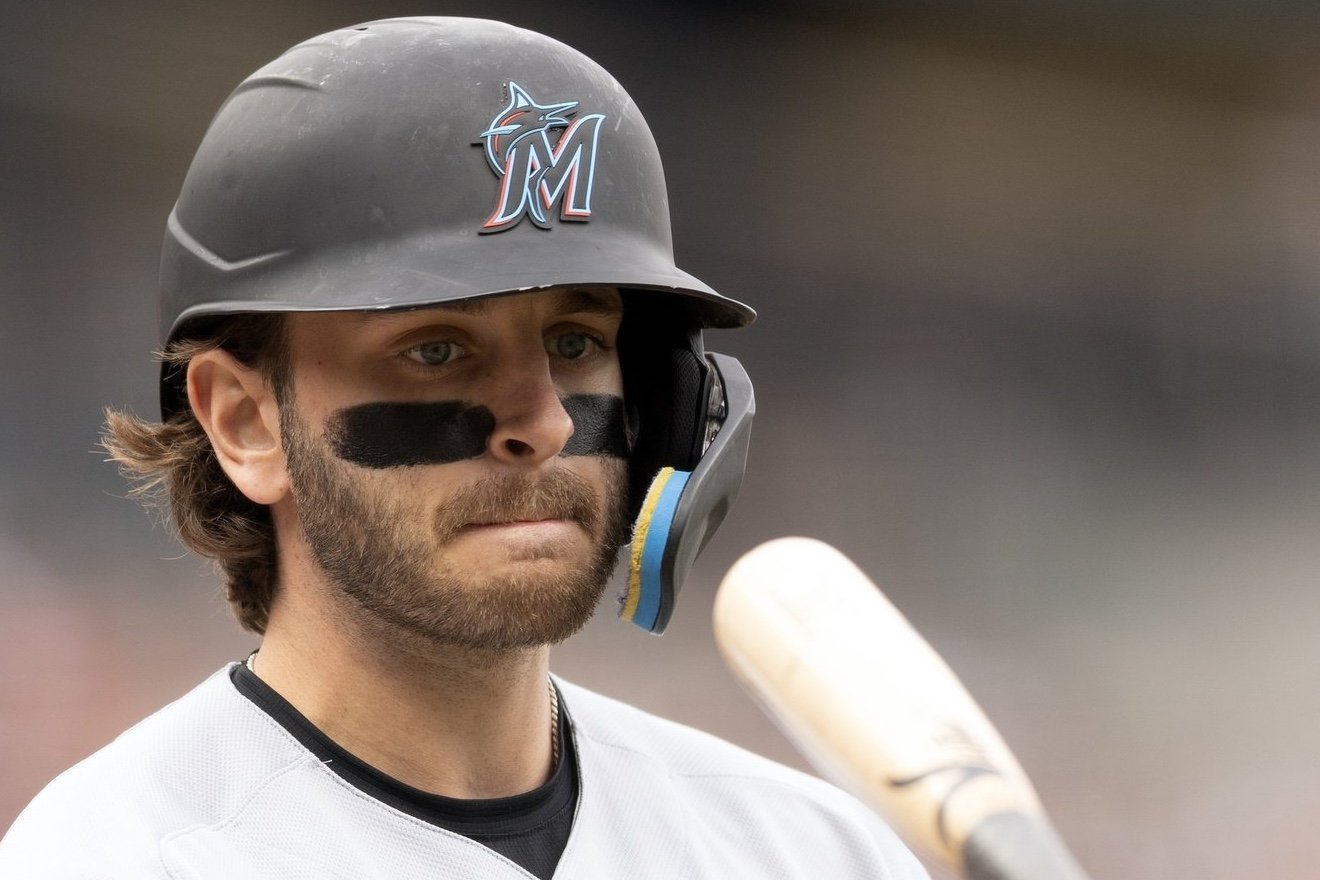 If the Miami Marlins are going to make a run at the postseason in 2026, trust in their starting pitchers would be something to zero in on. In what has become a borderline running gag at this point, Clayton McCullough and his coaching staff were foiled by their reluctance to do so on Sunday. Max Meyer cruised through four innings on just 54 pitches against the San Francisco Giants, working around a pair of baserunners in the bottom of the fifth in what would wind up being his longest inning of the day, in terms of pitch count. McCullough relieved Meyer at just 77 pitches with Miami leading 3-1. Although the pitchers have vastly different résumés, one could not help but think back to the Sandy Alcantara incident earlier this month. For those unaware, Alcantara, vying for his second consecutive shutout, was relieved with one out in the top of the ninth after just 93 pitches for Anthony Bender. Bender, who entered with a pair of men on base, quickly coughed up the lead in what would ultimately be a 6-3 Marlins loss. The result on Sunday would prove no different, as the Giants won 6-3. "I thought Max had done his job, gotten us through five...we thought we had the right combination of guys to get to Pete (Fairbanks), but the game quickly turned on us, and the offense couldn't get it going outside of the Pauley homer...but it happens," explained Clayton McCullough. Calvin Faucher occupied the Bender role this time. For the fifth time already this season, his erratic command led to a leadoff walk. Rafael Devers would double home Casey Schmitt four pitches later, and Drew Gilbert would tie the game at 3-3 two batters later. The aforementioned Schmitt rubbed salt in the wound one inning later when his second home run in as many days landed into the left field stands of Oracle Park. San Francisco, which entered the series tied with the Red Sox for the fewest home runs in baseball, blasted six long balls in the weekend set. Making his second career appearance and first career start against the Marlins, Landen Roupp would be tagged for a three-spot in the second when Graham Pauley hit his first home run of the season. From then on out, though, Roupp went into cruise control, retiring the next 18 batters faced. It wasn't until a Heriberto Hernández walk with two outs in the top of the eighth that Miami would have another baserunner. In a season-high 7 ⅔ innings of work, Roupp allowed just two hits and struck out six. In his six starts to begin the season, Roupp owns a 2.55 ERA. The Pauley home run marked the first allowed by Roupp in 2026. Kyle Stowers was one of many Marlins players who were silenced offensively, but it was a notable game for him nonetheless. Making his first career start as a first baseman at the major league level, he collected an assist on a throw to second base and five putouts. Meyer, on the other hand, would punch out five in his five innings of work, lowering his season ERA to 3.30, and wrapping up a month of April where he posted a mark of 2.88. In 15 career starts in March/April, Meyer owns an ERA right at 3.00. Working around a first-pitch, leadoff triple from Jung Hoo Lee, Meyer would quickly find his groove, allowing just three hits the rest of the way. His one run allowed Sunday would be unearned due to an error on his part when trying to complete a double play. The aforementioned Lee collected nine hits in the weekend series, marking just the seventh time this decade that a player had nine or more hits in any three-game span against Miami. In defeat, the Marlins fall to 13-15, retaining a one-game lead over the Nationals for second in the National League East. Looking Ahead The Marlins will continue their tour of the west coast on Monday when they travel to Southern California to begin a three-game series against the two-time defending World Series champion Los Angeles Dodgers. Chris Paddack (0-4, 6.38 ERA) will look to improve his fortunes against the Dodgers in the series opener. In nine career starts, Paddack owns a 5.91 ERA. He'll go up against the 2025 World Series MVP in Yoshinobu Yamamoto (2-2, 2.48 ERA). First pitch from Dodger Stadium is slated for 10:10 EST.
- 8 comments
-
- 3
-

-

-
- max meyer
- calvin faucher
- (and 2 more)
-
If the Miami Marlins are going to make a run at the postseason in 2026, trust in their starting pitchers would be something to zero in on. In what has become a borderline running gag at this point, Clayton McCullough and his coaching staff were foiled by their reluctance to do so on Sunday. Max Meyer cruised through four innings on just 54 pitches against the San Francisco Giants, working around a pair of baserunners in the bottom of the fifth in what would wind up being his longest inning of the day, in terms of pitch count. McCullough relieved Meyer at just 77 pitches with Miami leading 3-1. Although the pitchers have vastly different résumés, one could not help but think back to the Sandy Alcantara incident earlier this month. For those unaware, Alcantara, vying for his second consecutive shutout, was relieved with one out in the top of the ninth after just 93 pitches for Anthony Bender. Bender, who entered with a pair of men on base, quickly coughed up the lead in what would ultimately be a 6-3 Marlins loss. The result on Sunday would prove no different, as the Giants won 6-3. "I thought Max had done his job, gotten us through five...we thought we had the right combination of guys to get to Pete (Fairbanks), but the game quickly turned on us, and the offense couldn't get it going outside of the Pauley homer...but it happens," explained Clayton McCullough. Calvin Faucher occupied the Bender role this time. For the fifth time already this season, his erratic command led to a leadoff walk. Rafael Devers would double home Casey Schmitt four pitches later, and Drew Gilbert would tie the game at 3-3 two batters later. The aforementioned Schmitt rubbed salt in the wound one inning later when his second home run in as many days landed into the left field stands of Oracle Park. San Francisco, which entered the series tied with the Red Sox for the fewest home runs in baseball, blasted six long balls in the weekend set. Making his second career appearance and first career start against the Marlins, Landen Roupp would be tagged for a three-spot in the second when Graham Pauley hit his first home run of the season. From then on out, though, Roupp went into cruise control, retiring the next 18 batters faced. It wasn't until a Heriberto Hernández walk with two outs in the top of the eighth that Miami would have another baserunner. In a season-high 7 ⅔ innings of work, Roupp allowed just two hits and struck out six. In his six starts to begin the season, Roupp owns a 2.55 ERA. The Pauley home run marked the first allowed by Roupp in 2026. Kyle Stowers was one of many Marlins players who were silenced offensively, but it was a notable game for him nonetheless. Making his first career start as a first baseman at the major league level, he collected an assist on a throw to second base and five putouts. Meyer, on the other hand, would punch out five in his five innings of work, lowering his season ERA to 3.30, and wrapping up a month of April where he posted a mark of 2.88. In 15 career starts in March/April, Meyer owns an ERA right at 3.00. Working around a first-pitch, leadoff triple from Jung Hoo Lee, Meyer would quickly find his groove, allowing just three hits the rest of the way. His one run allowed Sunday would be unearned due to an error on his part when trying to complete a double play. The aforementioned Lee collected nine hits in the weekend series, marking just the seventh time this decade that a player had nine or more hits in any three-game span against Miami. In defeat, the Marlins fall to 13-15, retaining a one-game lead over the Nationals for second in the National League East. Looking Ahead The Marlins will continue their tour of the west coast on Monday when they travel to Southern California to begin a three-game series against the two-time defending World Series champion Los Angeles Dodgers. Chris Paddack (0-4, 6.38 ERA) will look to improve his fortunes against the Dodgers in the series opener. In nine career starts, Paddack owns a 5.91 ERA. He'll go up against the 2025 World Series MVP in Yoshinobu Yamamoto (2-2, 2.48 ERA). First pitch from Dodger Stadium is slated for 10:10 EST. View full article
-
During Chris Paddack's time in the major leagues, the lows have largely outweighed the highs. Since an impressive rookie campaign with the San Diego Padres in 2019, his ERA has been north of 5.00. The club he faced on Wednesday night, the Atlanta Braves, has repeatedly been a safe haven through the years. In four career appearances against them, Paddack's 2.14 ERA ranks second-lowest among teams he has encountered a minimum of three times. Paddack owns a 1.32 ERA in three starts against the Cardinals. In the first inning Wednesday night, Jackie Robinson Day around the sport, Paddack's luck against Atlanta seemed like it would persist, setting down the top of the order 1-2-3, including a pair of strikeouts. What followed would be a 28-pitch second inning that prevented Paddack from giving the Marlins the length they needed the night after Eury Pérez only gave the club four innings. After getting Austin Riley to fly out, Ozzie Albies continued his run of torching Miami pitching, blasting a solo home run to get the scoring going for Atlanta. Albies' home run marked his 22nd career blast against the Marlins, tying him with Marcell Ozuna for the sixth most among active players. Atlanta would tack on another run later in the inning when Mauricio Dubón lined a single to left on a hanging, full-count breaking ball that caught too much of the plate. Paddack would, however, settle back into his accustomed groove against Atlanta, firing 1-2-3 frames in the third and fourth. Were it not for a single by another notorious Marlin killer, Ronald Acuña Jr., Paddack would have completed at least five innings for the second consecutive outing. At 92 pitches, Clayton McCullough signaled for another lefty, John King, to finish the frame. Paddack's final line: 4.2 IP, 5 H, 2 R, 2 ER, 4 K. After allowing eight runs in his season debut on March 30, Paddack has allowed just five runs (four earned) over his last 15 1/3 innings spread across three appearances. You'd have to go back to the six-start span between May 9-June 7, 2025, the last time Paddack allowed two or fewer runs in at least three consecutive outings. Miami's bats would lie dormant for the first two-thirds of the game, as Bryce Elder fired 5 ⅔ scoreless innings to lower his season ERA to 0.77. The previously mentioned King would falter the following inning, though, when Austin Riley blasted his 16th career home run against Miami. Following a Drake Baldwin RBI single in the latter half of the seventh, Matt Olson, playing in his 801st consecutive game, continued a torrid start to the season, sending the first offering from Andrew Nardi over the right field wall to increase the Atlanta lead to six. Showcasing the resiliency they showed in 2025, Miami would begin to claw back, thanks in large part to Liam Hicks, who hit his team-leading fourth home run of the season. In 18 games to begin the season, Hicks owns a 145 wRC+. Heriberto Hernández, whose misplayed fly ball led to the Olson homer, plated the Marlins third run when he grounded into a fielder's choice. The Marlins fell to Atlanta, 6-3. In 78 lifetime games at Truist Park, the Marlins are a dismal 23-55. The Braves have yet to lose a series through the first three weeks of the 2026 season. Despite the recent skid, manager Clayton McCullough remained steadfast in his belief in his group of guys. "We really like the team we have here, and we have a lot of games to play...so there's a lot to like right now." Looking Ahead Thursday will represent the Marlins' first off-day since April 2, concluding a span of 13 games in 13 days. When they resume play on Friday, they will face off against the Milwaukee Brewers. Janson Junk (0-2, 4.32 ERA) will toe the rubber against his former club. First pitch from loanDepot park is slated 7:10 EST. View full article
-
Braves blast three into the seats as Fish fall under .500
Louis Addeo-Weiss posted an article in Marlins
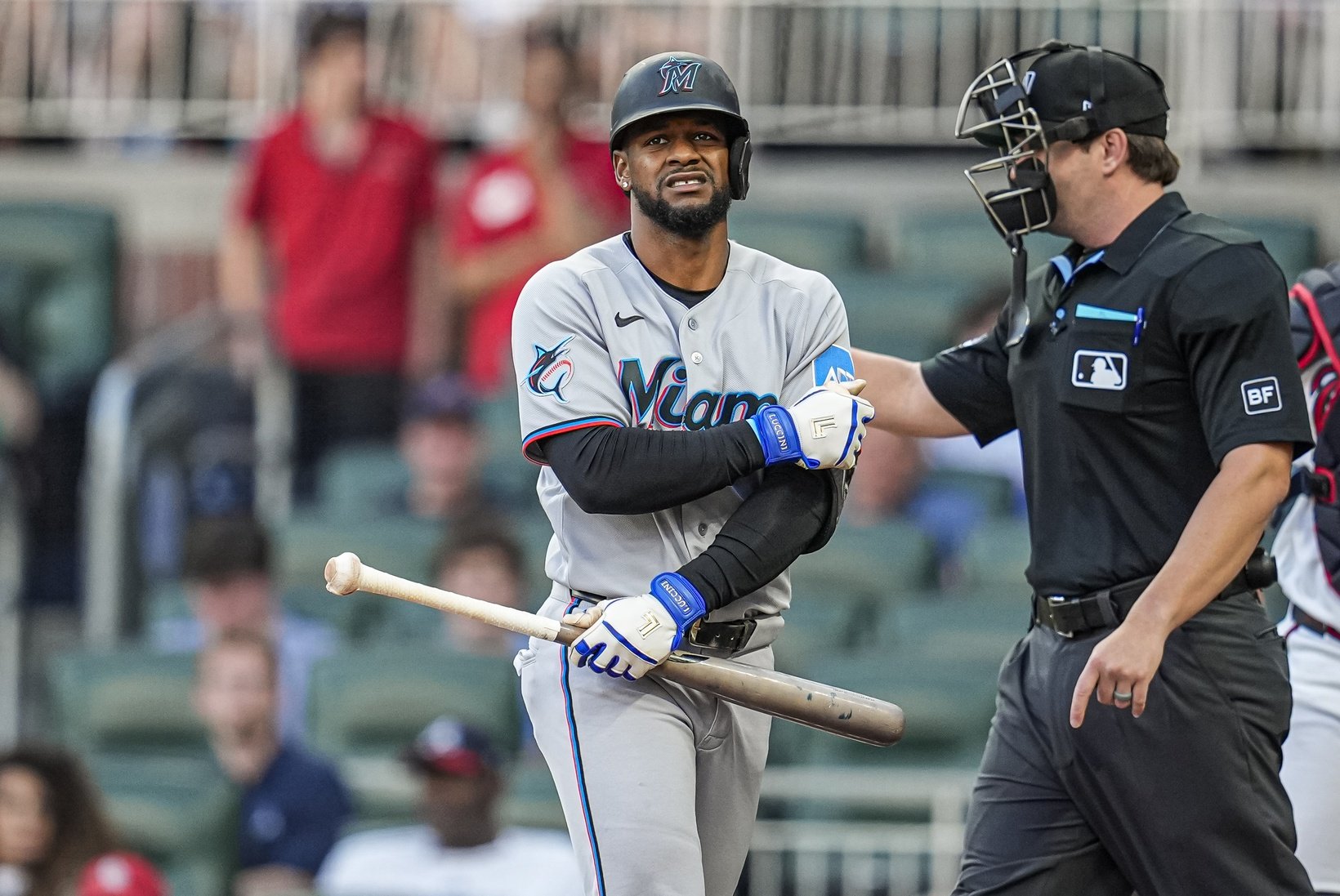 During Chris Paddack's time in the major leagues, the lows have largely outweighed the highs. Since an impressive rookie campaign with the San Diego Padres in 2019, his ERA has been north of 5.00. The club he faced on Wednesday night, the Atlanta Braves, has repeatedly been a safe haven through the years. In four career appearances against them, Paddack's 2.14 ERA ranks second-lowest among teams he has encountered a minimum of three times. Paddack owns a 1.32 ERA in three starts against the Cardinals. In the first inning Wednesday night, Jackie Robinson Day around the sport, Paddack's luck against Atlanta seemed like it would persist, setting down the top of the order 1-2-3, including a pair of strikeouts. What followed would be a 28-pitch second inning that prevented Paddack from giving the Marlins the length they needed the night after Eury Pérez only gave the club four innings. After getting Austin Riley to fly out, Ozzie Albies continued his run of torching Miami pitching, blasting a solo home run to get the scoring going for Atlanta. Albies' home run marked his 22nd career blast against the Marlins, tying him with Marcell Ozuna for the sixth most among active players. Atlanta would tack on another run later in the inning when Mauricio Dubón lined a single to left on a hanging, full-count breaking ball that caught too much of the plate. Paddack would, however, settle back into his accustomed groove against Atlanta, firing 1-2-3 frames in the third and fourth. Were it not for a single by another notorious Marlin killer, Ronald Acuña Jr., Paddack would have completed at least five innings for the second consecutive outing. At 92 pitches, Clayton McCullough signaled for another lefty, John King, to finish the frame. Paddack's final line: 4.2 IP, 5 H, 2 R, 2 ER, 4 K. After allowing eight runs in his season debut on March 30, Paddack has allowed just five runs (four earned) over his last 15 1/3 innings spread across three appearances. You'd have to go back to the six-start span between May 9-June 7, 2025, the last time Paddack allowed two or fewer runs in at least three consecutive outings. Miami's bats would lie dormant for the first two-thirds of the game, as Bryce Elder fired 5 ⅔ scoreless innings to lower his season ERA to 0.77. The previously mentioned King would falter the following inning, though, when Austin Riley blasted his 16th career home run against Miami. Following a Drake Baldwin RBI single in the latter half of the seventh, Matt Olson, playing in his 801st consecutive game, continued a torrid start to the season, sending the first offering from Andrew Nardi over the right field wall to increase the Atlanta lead to six. Showcasing the resiliency they showed in 2025, Miami would begin to claw back, thanks in large part to Liam Hicks, who hit his team-leading fourth home run of the season. In 18 games to begin the season, Hicks owns a 145 wRC+. Heriberto Hernández, whose misplayed fly ball led to the Olson homer, plated the Marlins third run when he grounded into a fielder's choice. The Marlins fell to Atlanta, 6-3. In 78 lifetime games at Truist Park, the Marlins are a dismal 23-55. The Braves have yet to lose a series through the first three weeks of the 2026 season. Despite the recent skid, manager Clayton McCullough remained steadfast in his belief in his group of guys. "We really like the team we have here, and we have a lot of games to play...so there's a lot to like right now." Looking Ahead Thursday will represent the Marlins' first off-day since April 2, concluding a span of 13 games in 13 days. When they resume play on Friday, they will face off against the Milwaukee Brewers. Janson Junk (0-2, 4.32 ERA) will toe the rubber against his former club. First pitch from loanDepot park is slated 7:10 EST.
 -
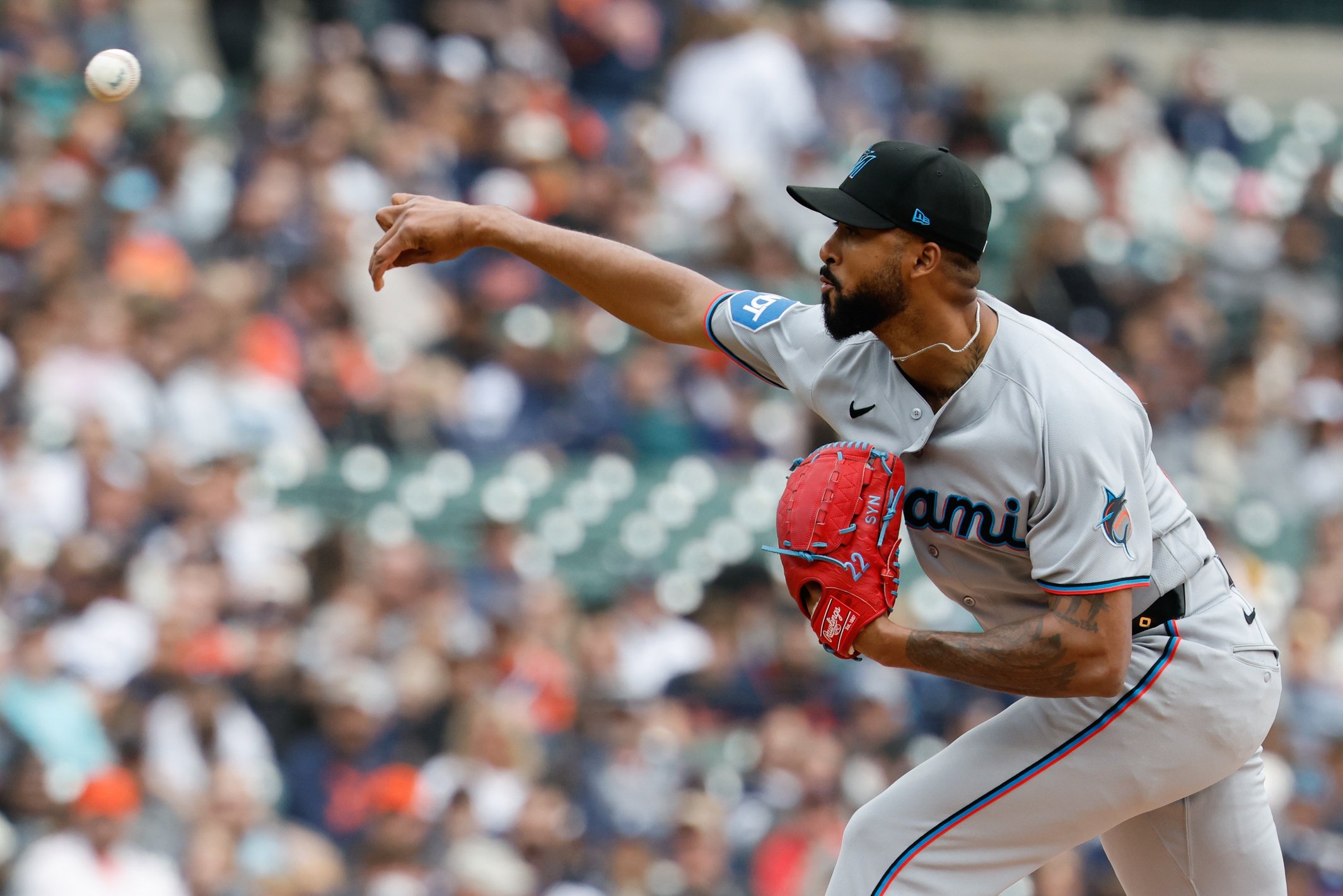 The Miami Marlins fell behind early and stayed behind in losing to the Detroit Tigers on both Friday and Saturday. Looking to avoid the sweep on Sunday, they had to feel good about having their ace, Sandy Alcantara, on the mound. Unfortunately, that optimism was quelled by the notion of facing two-time, reigning AL Cy Young award winner Tarik Skubal. For the first two-thirds of the game, the Marlins offense may as well have just stayed home. Carrying a no-hitter into the sixth inning, it would be Austin Slater, in solely due to Skubal's left-handedness, who dunked a single into center field to get Miami in the hit column. Skubal wound up tossing 6 ⅔ innings of one-run ball in Detroit's 8-2 win over Miami, clinching a series sweep. In his four starts to begin the season, Skubal has completed six innings in three of them. In his two prior outings against the Marlins, Skubal owned an ERA of 9.00. Alcantara's afternoon would not be smooth sailing, as the former Cy Young winner allowed seven runs in six innings. In his three starts before Sunday, Alcantara allowed just two earned runs, posting a 0.74 ERA in what has been a resurgent season for him. On the day, Alcantara allowed 15 hard-hit balls, all on each pitch in his arsenal. "Tough series this weekend," noted manager Clayton McCullough. "This is just part of the season, so the positive is that this part is over...All we can try to do is play better tomorrow," continued McCullough. With the loss, Miami falls to 8-8, the first time they've been .500 since Opening Day. In the weekend series, Miami went 0-for-16 with runners in scoring position. After retiring Kevin McGonigle and Gleyber Torres to begin his outing, back-to-back singles would come back to bite Alcantara, as Skubal's battery mate, Dillon Dingler, launched his third home run of the season. Alcantara would settle into the tune of scoreless frames two through four before McGonigle, a .322 hitter in his first big league season, would tag him for his first career home run. On the day, the Tigers would find the outfield seats three times against Alcantara, marking the seventh time he's allowed as many home runs in a single outing. Entering this series, the Marlins offense was above-average in most offensive categories. Whatever excuses you'd like to apply to their struggles at Comerica Park, whether it be the low temperatures, solid quality of competition or absence of newly injured Griffin Conine, the end result was an abysmal output of only three runs. That makes this Miami's lowest-scoring series in nearly a calendar year (3 R vs. SF from 5/30-6/1/25). Looking Ahead The Marlins' road trip will continue with a stop in Atlanta, where they'll meet the Braves for the first time this season on Monday. Eury Pérez (1-1, 5.06 ERA) will look to overcome his road woes in the series opener. In 23 career starts away from loanDepot park, the soon-to-be 23-year-old owns a 5.02 ERA, nearly double the 2.59 mark he's posted at home. Opposing him, Grant Holmes (1-1, 2.55 ERA) will make his fourth career start against Miami, whom he owns a 3.14 ERA against. First pitch from Truist Park is slated for 7:15 EST.
 -
The Miami Marlins fell behind early and stayed behind in losing to the Detroit Tigers on both Friday and Saturday. Looking to avoid the sweep on Sunday, they had to feel good about having their ace, Sandy Alcantara, on the mound. Unfortunately, that optimism was quelled by the notion of facing two-time, reigning AL Cy Young award winner Tarik Skubal. For the first two-thirds of the game, the Marlins offense may as well have just stayed home. Carrying a no-hitter into the sixth inning, it would be Austin Slater, in solely due to Skubal's left-handedness, who dunked a single into center field to get Miami in the hit column. Skubal wound up tossing 6 ⅔ innings of one-run ball in Detroit's 8-2 win over Miami, clinching a series sweep. In his four starts to begin the season, Skubal has completed six innings in three of them. In his two prior outings against the Marlins, Skubal owned an ERA of 9.00. Alcantara's afternoon would not be smooth sailing, as the former Cy Young winner allowed seven runs in six innings. In his three starts before Sunday, Alcantara allowed just two earned runs, posting a 0.74 ERA in what has been a resurgent season for him. On the day, Alcantara allowed 15 hard-hit balls, all on each pitch in his arsenal. "Tough series this weekend," noted manager Clayton McCullough. "This is just part of the season, so the positive is that this part is over...All we can try to do is play better tomorrow," continued McCullough. With the loss, Miami falls to 8-8, the first time they've been .500 since Opening Day. In the weekend series, Miami went 0-for-16 with runners in scoring position. After retiring Kevin McGonigle and Gleyber Torres to begin his outing, back-to-back singles would come back to bite Alcantara, as Skubal's battery mate, Dillon Dingler, launched his third home run of the season. Alcantara would settle into the tune of scoreless frames two through four before McGonigle, a .322 hitter in his first big league season, would tag him for his first career home run. On the day, the Tigers would find the outfield seats three times against Alcantara, marking the seventh time he's allowed as many home runs in a single outing. Entering this series, the Marlins offense was above-average in most offensive categories. Whatever excuses you'd like to apply to their struggles at Comerica Park, whether it be the low temperatures, solid quality of competition or absence of newly injured Griffin Conine, the end result was an abysmal output of only three runs. That makes this Miami's lowest-scoring series in nearly a calendar year (3 R vs. SF from 5/30-6/1/25). Looking Ahead The Marlins' road trip will continue with a stop in Atlanta, where they'll meet the Braves for the first time this season on Monday. Eury Pérez (1-1, 5.06 ERA) will look to overcome his road woes in the series opener. In 23 career starts away from loanDepot park, the soon-to-be 23-year-old owns a 5.02 ERA, nearly double the 2.59 mark he's posted at home. Opposing him, Grant Holmes (1-1, 2.55 ERA) will make his fourth career start against Miami, whom he owns a 3.14 ERA against. First pitch from Truist Park is slated for 7:15 EST. View full article
-
MIAMI — The last time the Marlins started a season 3-0 in 2009, they were still the Florida Marlins. Fast-forward 17 years, and after a name change, a new stadium, and two improbable playoff appearances, the Miami Marlins have joined them along with the 1997 World Series-winning team with three consecutive season-opening victories. The third such win, Sunday's 4-3 defeat over the Colorado Rockies, proved the most meaningful. Entering the bottom of the ninth trailing 3-2, Miami started off the inning with an Xavier Edwards single. Liam Hicks, a late-game replacement and one of the protagonists in Saturday's win, lined out to former Marlin, first baseman Troy Johnston, who turned an unassisted double play. Now down to their last out, Javier Sanoja would keep the dream alive with a two-out double that split the gap in left-center, bringing Owen Caissie, already 4-for-9 with a pair of doubles in this series, to the plate. After taking a first-pitch changeup from Colorado's Victor Vodnik, the Rockies reliever doubled down. Caissie made him pay for it, sending the pitch over the right field wall for a walk-off, two-run homer. "I mean, I kind of blacked out...I don't know if kids imagine that, but it was awesome," said Caissie. "Safe to say Owen Caissie will be in the lineup tomorrow," noted smiling Marlins manager Clayton McCullough. I think it goes without saying that 2026 is a make-or-break year for Max Meyer. The club's first-round pick in 2020, Meyer entered his fourth big league season the owner of a 5.29 ERA in his 25 starts. So, when his first inning of the season yielded three runs, it felt like more of the same. "I was just way too nonchalant out there for the first, and my arm just wasn't on time," said Meyer. "I looked at some video in the third...and I just kind of never got my arm through, and then I was able to pick up the pace a bit, so I felt better in the last couple of innings, for sure." Following that three-run top of the first, Meyer would hold the Rockies scoreless for the next four innings, allowing just a pair of hits. In his five innings of work, Meyer, who threw 81 pitches, walked two and struck out four. Relying primarily on his secondary pitches, Meyer only threw 28 percent fastballs in his season debut, failing to generate a single whiff on his heaters. His slider, though, proved greatly effective, generating whiffs on nine of the 13 swings, averaging just 71.7 miles per hour when put in play. A narrative defining the Marlins' early-season triumphs has been the resilience their players have shown following moments of adversity. Take shortstop Otto Lopez, whose throwing error in the top of the first allowed TJ Rumfield to score Colorado's third run. Batting in the bottom of the inning, Lopez hit an RBI double that saw Miami begin its clawing back. While it may be early, there appear to be signs of something potentially special beginning to blossom here in Miami. "This group is kind of creating their own identity a little bit. This is a new year, but the same type of mentality—just the resiliency," noted McCullough. The Fish would plate another run in the following inning on a sacrifice fly from the newly minted Austin Slater. Advancing to third on that play and making his major league debut, Deyvison De Los Santos made an impact early, doubling in his first career at-bat. Acquired from Arizona in the trade that shipped out A.J. Puk, De Los Santos' calling card is his 70-grade power, something the Marlins should rely on in the absence of Christopher Morel and Kyle Stowers. The comeback, Miami's third one-run win in a row to begin the season, could not have been possible without the help of the bullpen, which fired four scoreless frames in relief of Meyer. In the season's opening series, Marlin relievers combined to throw eight scoreless innings and strike out 15. Looking Ahead The Marlins will continue their opening homestand on Monday, hosting the Chicago White Sox. Chris Paddack will make his Marlins debut in the series opener. Miami and Paddack agreed to a one-year, $4M deal before the start of spring training. Davis Martin will oppose him for Chicago. The first pitch at loanDepot park is slated for 6:40 EST. View full article
-
3 and Owen: Caissie's walk-off sends Miami to opening weekend sweep
Louis Addeo-Weiss posted an article in Marlins
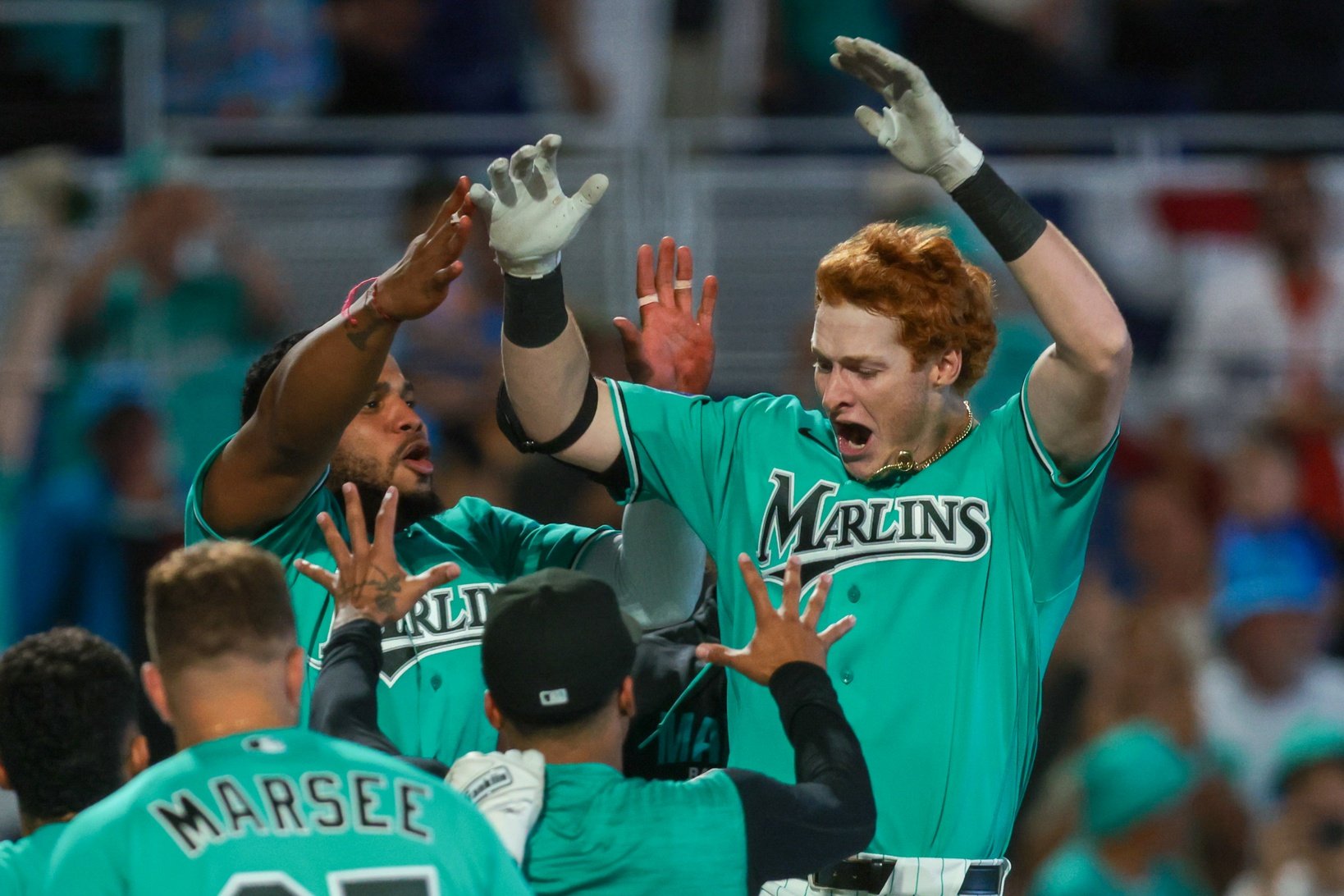 MIAMI — The last time the Marlins started a season 3-0 in 2009, they were still the Florida Marlins. Fast-forward 17 years, and after a name change, a new stadium, and two improbable playoff appearances, the Miami Marlins have joined them along with the 1997 World Series-winning team with three consecutive season-opening victories. The third such win, Sunday's 4-3 defeat over the Colorado Rockies, proved the most meaningful. Entering the bottom of the ninth trailing 3-2, Miami started off the inning with an Xavier Edwards single. Liam Hicks, a late-game replacement and one of the protagonists in Saturday's win, lined out to former Marlin, first baseman Troy Johnston, who turned an unassisted double play. Now down to their last out, Javier Sanoja would keep the dream alive with a two-out double that split the gap in left-center, bringing Owen Caissie, already 4-for-9 with a pair of doubles in this series, to the plate. After taking a first-pitch changeup from Colorado's Victor Vodnik, the Rockies reliever doubled down. Caissie made him pay for it, sending the pitch over the right field wall for a walk-off, two-run homer. "I mean, I kind of blacked out...I don't know if kids imagine that, but it was awesome," said Caissie. "Safe to say Owen Caissie will be in the lineup tomorrow," noted smiling Marlins manager Clayton McCullough. I think it goes without saying that 2026 is a make-or-break year for Max Meyer. The club's first-round pick in 2020, Meyer entered his fourth big league season the owner of a 5.29 ERA in his 25 starts. So, when his first inning of the season yielded three runs, it felt like more of the same. "I was just way too nonchalant out there for the first, and my arm just wasn't on time," said Meyer. "I looked at some video in the third...and I just kind of never got my arm through, and then I was able to pick up the pace a bit, so I felt better in the last couple of innings, for sure." Following that three-run top of the first, Meyer would hold the Rockies scoreless for the next four innings, allowing just a pair of hits. In his five innings of work, Meyer, who threw 81 pitches, walked two and struck out four. Relying primarily on his secondary pitches, Meyer only threw 28 percent fastballs in his season debut, failing to generate a single whiff on his heaters. His slider, though, proved greatly effective, generating whiffs on nine of the 13 swings, averaging just 71.7 miles per hour when put in play. A narrative defining the Marlins' early-season triumphs has been the resilience their players have shown following moments of adversity. Take shortstop Otto Lopez, whose throwing error in the top of the first allowed TJ Rumfield to score Colorado's third run. Batting in the bottom of the inning, Lopez hit an RBI double that saw Miami begin its clawing back. While it may be early, there appear to be signs of something potentially special beginning to blossom here in Miami. "This group is kind of creating their own identity a little bit. This is a new year, but the same type of mentality—just the resiliency," noted McCullough. The Fish would plate another run in the following inning on a sacrifice fly from the newly minted Austin Slater. Advancing to third on that play and making his major league debut, Deyvison De Los Santos made an impact early, doubling in his first career at-bat. Acquired from Arizona in the trade that shipped out A.J. Puk, De Los Santos' calling card is his 70-grade power, something the Marlins should rely on in the absence of Christopher Morel and Kyle Stowers. The comeback, Miami's third one-run win in a row to begin the season, could not have been possible without the help of the bullpen, which fired four scoreless frames in relief of Meyer. In the season's opening series, Marlin relievers combined to throw eight scoreless innings and strike out 15. Looking Ahead The Marlins will continue their opening homestand on Monday, hosting the Chicago White Sox. Chris Paddack will make his Marlins debut in the series opener. Miami and Paddack agreed to a one-year, $4M deal before the start of spring training. Davis Martin will oppose him for Chicago. The first pitch at loanDepot park is slated for 6:40 EST.
- 3 comments
-
- 3
-
-
-
- owen caissie
- deyvison de los santos
- (and 2 more)
-
Kyle Stowers (hamstring) slated to begin season on IL
Louis Addeo-Weiss posted an article in Marlins
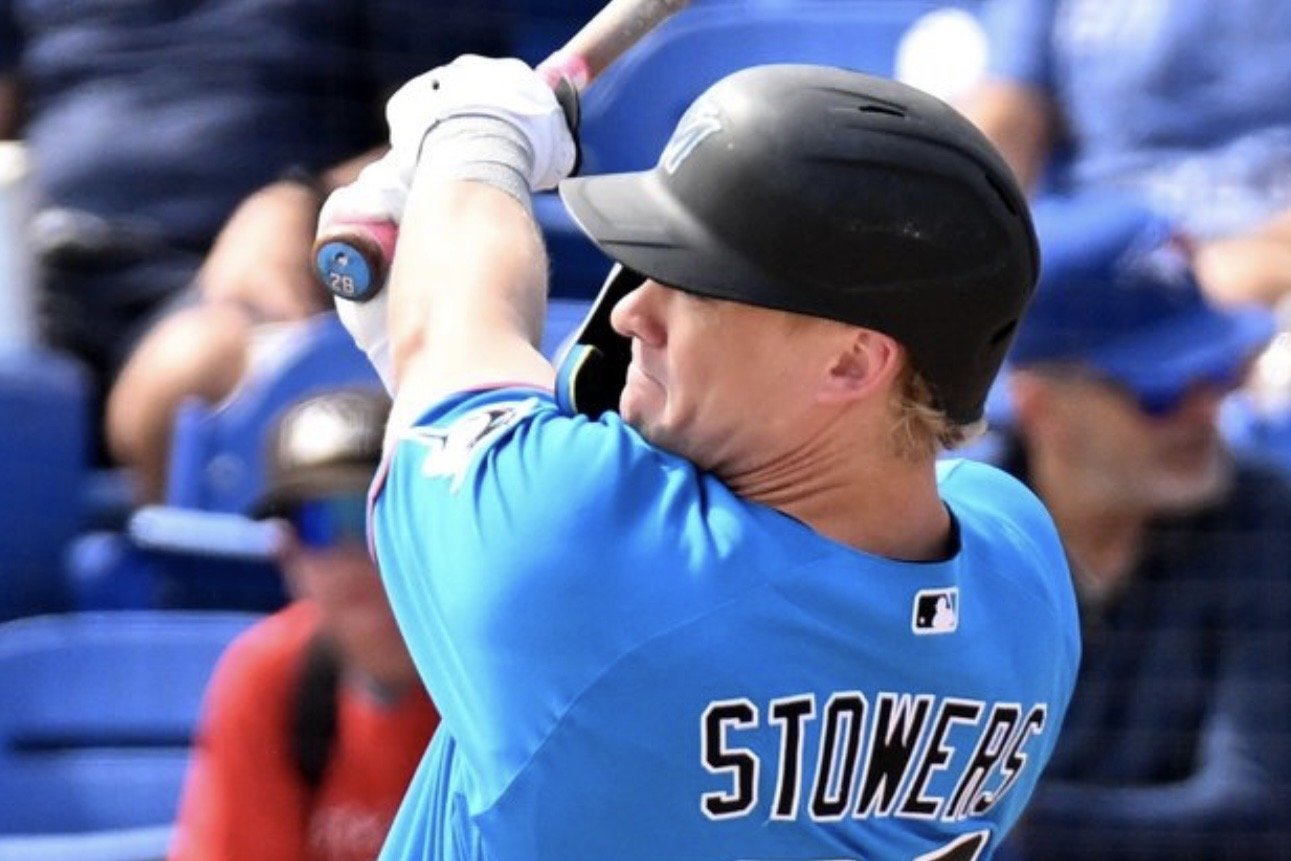 The biggest success a team can find in spring training is getting through the month-plus grind with most of its key players healthy. For the 2026 Miami Marlins, that won't come to pass, as it was announced that Kyle Stowers, the club's All-Star representative last season, will start the season on the injured list with a grade-1 right hamstring strain. In what was a breakout 2025 season for him, the former top prospect hit .288/.368/.544/.912, slugging 25 home runs in the process. Limited to all of 117 games, one can only think the Marlins, winners of 79 games, could have found themselves securing a wild card spot had Stowers been more readily available. The club's depth will be tested, too, as it was later announced that Esteury Ruiz would be out 6-8 weeks with a left oblique strain. Acquired in the offseason as a potential bench piece and late-game pinch-runner, Ruiz struggled this spring, hitting .129 with a .446 OPS across 41 plate appearances but also five steals. Not committing to one player, Marlins manager Clayton McCullough noted the roster's versatility as a potential strength. "We feel like we have enough players that can play multiple spots and can move pieces around." One player who could see time out there is Connor Norby, who started in left field on Saturday, homering in his second plate appearance. The questions around Norby have largely centered on his defense, and suffice to say, those concerns weren't quelled when he dropped a line drive in Saturday's 7-4 loss to the Cardinals. The club's swiss army knife last season, newly minted World Baseball Classic champion Javier Sanoja, is a likely candidate, as well,m. He saw parts of 35 games in left, appearing at eight different positions overall. Sanoja's effort would be rewarded with the National League's utility player Gold Glove Award. Let's not forget Griffin Conine, who has shown above-average defense and raw power in parts of two seasons. Conine would go back-to-back with Norby in Saturday's loss. Heriberto Hernández could find himself playing more than initially expected in the wake of Stowers' injury. The 26-year-old posted a batting line 16 percent better than league average in a part-time role in his debut 2025 season, finishing 13th in NL Rookie of the Year voting. Signed with the intention of being the club's primary first baseman, Christopher Morel has 164 games of outfield experience in his four seasons in the Major Leagues, grading out rather poorly at minus-16 DRS. The Game at Hand Sandy Alcantara, set to extend his franchise record as he makes his sixth Opening Day start this coming Friday, Todd the slab for the club's Grapefruit League finale, allowing three runs over 4 2/3 innings pitched in Miami's 4-3 walk-off win over the division rival New York Mets. Prior to a three-run top of the fourth, Alcantara had set down the first nine Met hitters faced, including strikeouts against Francisco Lindor, Juan Soto, and Luis Robert Jr. It would be the former two who would start New York's rally in the top of the fourth. Miami finishes its spring training schedule 11-13. "Nice to end on a winning note," said McCullough. Speaking on how he feels for the start of the season, Alcantara noted the confidence he has in both himself and the team as a whole. "Last year, it wasn't my best year, but I think about it from a positive...I finished strong, finished healthy, I threw 170-plus innings, but you just forget what happened last year, be here today and be out there during the season." Alcantara struggled in his first year coming off Tommy John Surgery, posting a career-worst 5.36 ERA. Amid the news of the Stowers injury, a feel-good story came out of Marlins camp this weekend, as it was announced that Andrew Nardi had made the Opening Day roster. Nardi, who missed all of 2025 with lower back inflammation, owns a career 4.51 ERA in parts of three seasons. In five appearances this spring, the Tennessee native struck out nine, allowed just one hit, and didn't allow a single run. "I feel like I'm back in 2023 again when I was told I made the Opening Day roster for the first time. I'm just excited to get going," reflected a smiling Nardi. That 2023 season saw Nardi establish himself as one of the better left-handed relievers in the sport, posting a 2.67 ERA over his 57 1/3 innings pitched. Not Talked About Enough If the Marlins want to take continued steps forward, suffice to say their forward progression is predicated on how they fare against left-handed pitching. The club's collective .656 OPS against southpaws last season ranked 24th. Even the Colorado Rockies, fresh off a 119-loss season, finished at .679. The biggest offenders here are two of the better position players on the team last season, in Otto López and Xavier Edwards. Among the 57 players with at least 175 plate appearances against lefties in 2025, López and Edwards ranked worst and second-worst at .521 and .564, respectively. While we're not making much of spring training statistics, López has hit .333 with an .833 OPS in a limited, six-plate-appearance sample. Edwards, on the other hand, has seen his struggles carry over into the new year, as he's hit .091 across 11 such plate appearances. Looking Ahead The next time the Marlins take the field, the 2026 regular season will be upon us, as they're set to open the year at home against the Colorado Rockies on Friday, March 27. As noted, Sandy Alcantara will take the ball in his franchise-record sixth Opening Day start. Opposing him, Kyle Freeland will start for Colorado. First pitch from loanDepot park is slated for 7:10 EST.
- 5 comments
-
- 3
-
-

-
- kyle stowers
- sandy alcantara
- (and 1 more)
-
The biggest success a team can find in spring training is getting through the month-plus grind with most of its key players healthy. For the 2026 Miami Marlins, that won't come to pass, as it was announced that Kyle Stowers, the club's All-Star representative last season, will start the season on the injured list with a grade-1 right hamstring strain. In what was a breakout 2025 season for him, the former top prospect hit .288/.368/.544/.912, slugging 25 home runs in the process. Limited to all of 117 games, one can only think the Marlins, winners of 79 games, could have found themselves securing a wild card spot had Stowers been more readily available. The club's depth will be tested, too, as it was later announced that Esteury Ruiz would be out 6-8 weeks with a left oblique strain. Acquired in the offseason as a potential bench piece and late-game pinch-runner, Ruiz struggled this spring, hitting .129 with a .446 OPS across 41 plate appearances but also five steals. Not committing to one player, Marlins manager Clayton McCullough noted the roster's versatility as a potential strength. "We feel like we have enough players that can play multiple spots and can move pieces around." One player who could see time out there is Connor Norby, who started in left field on Saturday, homering in his second plate appearance. The questions around Norby have largely centered on his defense, and suffice to say, those concerns weren't quelled when he dropped a line drive in Saturday's 7-4 loss to the Cardinals. The club's swiss army knife last season, newly minted World Baseball Classic champion Javier Sanoja, is a likely candidate, as well,m. He saw parts of 35 games in left, appearing at eight different positions overall. Sanoja's effort would be rewarded with the National League's utility player Gold Glove Award. Let's not forget Griffin Conine, who has shown above-average defense and raw power in parts of two seasons. Conine would go back-to-back with Norby in Saturday's loss. Heriberto Hernández could find himself playing more than initially expected in the wake of Stowers' injury. The 26-year-old posted a batting line 16 percent better than league average in a part-time role in his debut 2025 season, finishing 13th in NL Rookie of the Year voting. Signed with the intention of being the club's primary first baseman, Christopher Morel has 164 games of outfield experience in his four seasons in the Major Leagues, grading out rather poorly at minus-16 DRS. The Game at Hand Sandy Alcantara, set to extend his franchise record as he makes his sixth Opening Day start this coming Friday, Todd the slab for the club's Grapefruit League finale, allowing three runs over 4 2/3 innings pitched in Miami's 4-3 walk-off win over the division rival New York Mets. Prior to a three-run top of the fourth, Alcantara had set down the first nine Met hitters faced, including strikeouts against Francisco Lindor, Juan Soto, and Luis Robert Jr. It would be the former two who would start New York's rally in the top of the fourth. Miami finishes its spring training schedule 11-13. "Nice to end on a winning note," said McCullough. Speaking on how he feels for the start of the season, Alcantara noted the confidence he has in both himself and the team as a whole. "Last year, it wasn't my best year, but I think about it from a positive...I finished strong, finished healthy, I threw 170-plus innings, but you just forget what happened last year, be here today and be out there during the season." Alcantara struggled in his first year coming off Tommy John Surgery, posting a career-worst 5.36 ERA. Amid the news of the Stowers injury, a feel-good story came out of Marlins camp this weekend, as it was announced that Andrew Nardi had made the Opening Day roster. Nardi, who missed all of 2025 with lower back inflammation, owns a career 4.51 ERA in parts of three seasons. In five appearances this spring, the Tennessee native struck out nine, allowed just one hit, and didn't allow a single run. "I feel like I'm back in 2023 again when I was told I made the Opening Day roster for the first time. I'm just excited to get going," reflected a smiling Nardi. That 2023 season saw Nardi establish himself as one of the better left-handed relievers in the sport, posting a 2.67 ERA over his 57 1/3 innings pitched. Not Talked About Enough If the Marlins want to take continued steps forward, suffice to say their forward progression is predicated on how they fare against left-handed pitching. The club's collective .656 OPS against southpaws last season ranked 24th. Even the Colorado Rockies, fresh off a 119-loss season, finished at .679. The biggest offenders here are two of the better position players on the team last season, in Otto López and Xavier Edwards. Among the 57 players with at least 175 plate appearances against lefties in 2025, López and Edwards ranked worst and second-worst at .521 and .564, respectively. While we're not making much of spring training statistics, López has hit .333 with an .833 OPS in a limited, six-plate-appearance sample. Edwards, on the other hand, has seen his struggles carry over into the new year, as he's hit .091 across 11 such plate appearances. Looking Ahead The next time the Marlins take the field, the 2026 regular season will be upon us, as they're set to open the year at home against the Colorado Rockies on Friday, March 27. As noted, Sandy Alcantara will take the ball in his franchise-record sixth Opening Day start. Opposing him, Kyle Freeland will start for Colorado. First pitch from loanDepot park is slated for 7:10 EST. View full article
-
Kyle Stowers entered the 2025 regular season at the nadir of his career. After being blocked from consistent playing time in Baltimore, he had a golden opportunity to prove himself with the Miami Marlins, but he was failing to capitalize on it. Stowers proceeded to hit .186 with a strikeout rate north of 35 percent as a Marlin in 2024, followed by a more disheartening .175 slugging percentage the ensuing spring. The announcement that he had made the club's Opening Day roster took some—myself included—by surprise. What Stowers did in the season opener would be a precursor to one of the most improbable All-Star campaigns in franchise history. His game-winning RBI single, the first such Opening Day hit in franchise history, was one of numerous clutch moments for the outfielder. While the Marlins' talented starting pitchers underachieved early in the year, as did their speedy leadoff man Xavier Edwards, Stowers would hit .288/.368/.544/.912 en rout to being their lone representative at the Midsummer Classic. Predicting Stowers to earn All-Star accolades again would not be particularly bold. Right-hander Eury Pérez and center fielder Jakob Marsee also come to mind immediately, as does ace Sandy Alcantara, who's been an All-Star twice before. Even shortstop Otto Lopez is overqualified for this conversation given his well-rounded skill set and projected playing time. On the other hand, with apologies to Brian Navarreto and his fellow minor league depth options, I don't want to reach too far in the other direction. Under ideal circumstances and with the appropriate adjustments, which Marlins could improbably play their way to Philadelphia for the 2026 All-Star festivities? The Kyle Stowers candidate: Connor Norby What better place to start than with the player Stowers found himself traded with two summers ago? Upon coming over to Miami in 2024, Norby showcased some of the promise he had in the minor leagues, hitting seven home runs in 36 games, totaling a .760 OPS. At this time last year, he was widely viewed as the club's third baseman of the future. However, after a season that saw him take three trips to the injured list and provide mediocre production when available, Norby's role on the 2026 roster is somewhat uncertain. This spring, the club has sought to make Norby more versatile, starting him at his usual third base along with a pair of appearances at first. A lack of plate discipline is still apparent in his .316/.316/.421/.737 Grapefruit League slash line, but his ability to distribute extra-base hits to all fields is alluring. Although Norby is expected to begin 2026 as platoon partners with Graham Pauley, his role could expand quickly if he rakes the way he's capable of. BABIP-dependent: Javier Sanoja While he certainly played the super-utility role to a tee last season, Gold Glover Javier Sanoja would have to do a whole lot better than the 86 wRC+ he put forth in 2025. A 101 wRC+ hitter in the minor leagues, at least Sanoja's elite contact skills have already translated to the big league level (11.9 K%). There are some signs that the 23-year-old could be turning the corner as a run producer—he slugged .478 after the 2025 All-Star break and homered in the just-completed World Baseball Classic. As long as Sanoja continues to avoid strikeouts, he's capable of sustaining an eye-popping batting average for a half-season sample size. Due to the versatility he has to play practically any position, compiling the necessary reps won't be much of an obstacle. On the mound: Chris Paddack While he may have been a touted prospect, the return on investment in Chris Paddack's parts of seven seasons at the big league level has been a mixed bag. The closest he's ever come to the All-Star conversation was his rookie year of 2019, when he pitched to a 3.33 ERA with the Padres. He has posted a 5.06 ERA since, often missing significant time due to injury. Among 149 pitchers to throw at least 400 innings in the 2020s, Paddack's ERA ranks 143rd. Those results kept him on the job market into February when the Marlins finally signed the free agent to a one-year/$4M deal. "Something I think we all need to be reminded of, even at this level, is, 'Hey man, you're really good. Believe in yourself.' That's something that was told to me in that first Zoom call, and that, 'We're not on the phone to fill a roster spot—we think you can contribute...and we want to help you find that ceiling,'" remarked Paddack. With a defense that will feature the likes of Edwards, Lopez, and Marsee up the middle (and eventually, catcher Joe Mack), Paddack should see some positive regression, especially coming from the Minnesota Twins (minus-11 outs above average) and Detroit Tigers (-4 OAA). The Marlins, on the other hand, ranked seventh-best in that department at plus-17. It is a stretch to say that this proposed positive regression could net Paddack an All-Star nod, but he has looked like a savvy investment for Miami to this point, hurling nine innings across four spring appearances without yielding an earned run. View full article
-
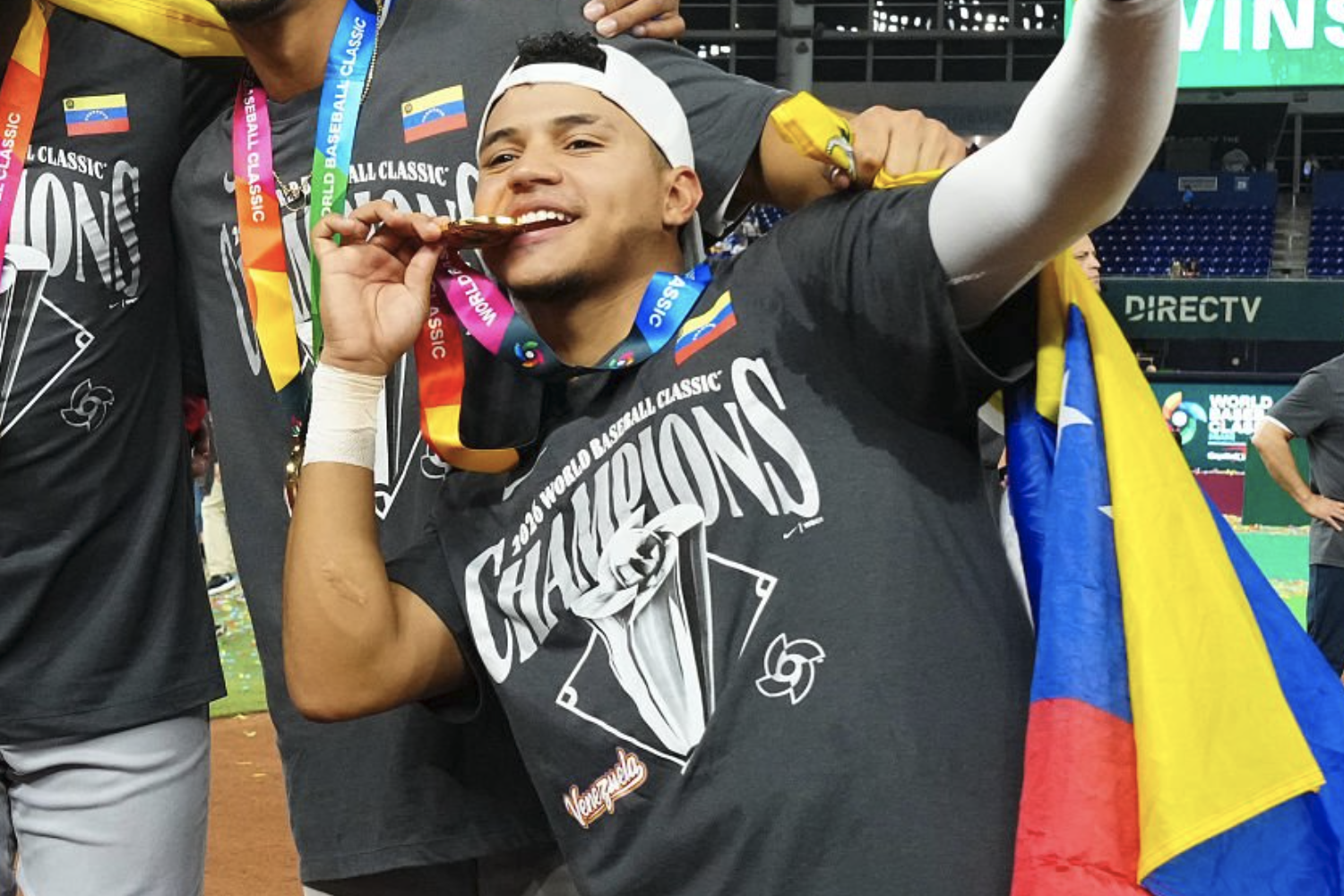 Kyle Stowers entered the 2025 regular season at the nadir of his career. After being blocked from consistent playing time in Baltimore, he had a golden opportunity to prove himself with the Miami Marlins, but he was failing to capitalize on it. Stowers proceeded to hit .186 with a strikeout rate north of 35 percent as a Marlin in 2024, followed by a more disheartening .175 slugging percentage the ensuing spring. The announcement that he had made the club's Opening Day roster took some—myself included—by surprise. What Stowers did in the season opener would be a precursor to one of the most improbable All-Star campaigns in franchise history. His game-winning RBI single, the first such Opening Day hit in franchise history, was one of numerous clutch moments for the outfielder. While the Marlins' talented starting pitchers underachieved early in the year, as did their speedy leadoff man Xavier Edwards, Stowers would hit .288/.368/.544/.912 en rout to being their lone representative at the Midsummer Classic. Predicting Stowers to earn All-Star accolades again would not be particularly bold. Right-hander Eury Pérez and center fielder Jakob Marsee also come to mind immediately, as does ace Sandy Alcantara, who's been an All-Star twice before. Even shortstop Otto Lopez is overqualified for this conversation given his well-rounded skill set and projected playing time. On the other hand, with apologies to Brian Navarreto and his fellow minor league depth options, I don't want to reach too far in the other direction. Under ideal circumstances and with the appropriate adjustments, which Marlins could improbably play their way to Philadelphia for the 2026 All-Star festivities? The Kyle Stowers candidate: Connor Norby What better place to start than with the player Stowers found himself traded with two summers ago? Upon coming over to Miami in 2024, Norby showcased some of the promise he had in the minor leagues, hitting seven home runs in 36 games, totaling a .760 OPS. At this time last year, he was widely viewed as the club's third baseman of the future. However, after a season that saw him take three trips to the injured list and provide mediocre production when available, Norby's role on the 2026 roster is somewhat uncertain. This spring, the club has sought to make Norby more versatile, starting him at his usual third base along with a pair of appearances at first. A lack of plate discipline is still apparent in his .316/.316/.421/.737 Grapefruit League slash line, but his ability to distribute extra-base hits to all fields is alluring. Although Norby is expected to begin 2026 as platoon partners with Graham Pauley, his role could expand quickly if he rakes the way he's capable of. BABIP-dependent: Javier Sanoja While he certainly played the super-utility role to a tee last season, Gold Glover Javier Sanoja would have to do a whole lot better than the 86 wRC+ he put forth in 2025. A 101 wRC+ hitter in the minor leagues, at least Sanoja's elite contact skills have already translated to the big league level (11.9 K%). There are some signs that the 23-year-old could be turning the corner as a run producer—he slugged .478 after the 2025 All-Star break and homered in the just-completed World Baseball Classic. As long as Sanoja continues to avoid strikeouts, he's capable of sustaining an eye-popping batting average for a half-season sample size. Due to the versatility he has to play practically any position, compiling the necessary reps won't be much of an obstacle. On the mound: Chris Paddack While he may have been a touted prospect, the return on investment in Chris Paddack's parts of seven seasons at the big league level has been a mixed bag. The closest he's ever come to the All-Star conversation was his rookie year of 2019, when he pitched to a 3.33 ERA with the Padres. He has posted a 5.06 ERA since, often missing significant time due to injury. Among 149 pitchers to throw at least 400 innings in the 2020s, Paddack's ERA ranks 143rd. Those results kept him on the job market into February when the Marlins finally signed the free agent to a one-year/$4M deal. "Something I think we all need to be reminded of, even at this level, is, 'Hey man, you're really good. Believe in yourself.' That's something that was told to me in that first Zoom call, and that, 'We're not on the phone to fill a roster spot—we think you can contribute...and we want to help you find that ceiling,'" remarked Paddack. With a defense that will feature the likes of Edwards, Lopez, and Marsee up the middle (and eventually, catcher Joe Mack), Paddack should see some positive regression, especially coming from the Minnesota Twins (minus-11 outs above average) and Detroit Tigers (-4 OAA). The Marlins, on the other hand, ranked seventh-best in that department at plus-17. It is a stretch to say that this proposed positive regression could net Paddack an All-Star nod, but he has looked like a savvy investment for Miami to this point, hurling nine innings across four spring appearances without yielding an earned run.
- 3 comments
-
- 3
-
-
-
- connor norby
- javier sanoja
- (and 1 more)
-
This isn't an endorsement of small-sample fodder, nor an argument that spring training statistics correlate to the ensuing MLB regular season. In the case of the Miami Marlins, though, their primary catcher of the present and presumed primary catcher of the future have produced a stark contrast in results through the first third of the Grapefruit League schedule. This understandably is drawing even more attention to the already-present narrative that the inevitable transition from Agustín Ramírez to Joe Mack behind the plate should be expedited. The Marlins number two prospect per our rankings, Mack has thrived in his 11 plate appearances thus far, hitting .333/.455/.667/1.122. Meanwhile, Ramírez is off to a feverishly slow start, going 0-for-14 with six strikeouts. No other player in the sport has accrued as many plate appearances as the 24-year-old without reaching base safely. When does the conversation shift to Mack potentially breaking camp with the big league club? "Joe Mack is going to play for us at some point. When that is, I don't know," noted Marlins manager Clayton McCullough. Mack, renowned for his defensive prowess, seemed to realize some of the potential thrust upon him in the batter's box, hitting 21 home runs across Double-A and Triple-A in 2025, OPS'ing a career-best .813. If Mack brought even three-quarters of that offensive output with him to Miami, in tandem with his defense, he would become the franchise's best all-around backstop of the post-J.T. Realmuto era. As for Agustín, there are multiple ways one could approach this. He was one of just four rookies in 2025 to hit 20-plus home runs, finishing sixth in NL Rookie of the Year voting. This isn't to ignore the red flags in his profile, though, as Ramírez walked in just 6.2 percent of his 585 plate appearances (MLB average is 8.4%). He was also considerably better in games started at designated hitter, when he could apply his full focus to his offensive responsibilities. On the whole, his 92 OPS+ made him a below-average hitter. Despite catching in just 73 games last season, Ramírez's 10 errors led all MLB catchers, as did his 19 passed balls. According to Fielding Bible, only Salvador Perez (-15) put up a worse defensive runs saved total than Ramírez's minus-14. His work ethic earns praise from Marlins leadership, yet the early returns this spring are underwhelming. In all likelihood, the Marlins won't budge on their conservative plan unless Mack sustains this pace for the remaining three weeks of exhibition games. The expectation is still that Ramírez and Liam Hicks will form their Opening Day catching tandem. A 2024 Rule 5 draft pick out of the Tigers system, Hicks showed promising plate discipline, OBP'ing .346 across 390 plate appearances. While not known for his defense behind the plate, Hicks certainly feels safer behind the dish than Ramírez, graded out as about an average defender according to DRS, while also appearing in parts of 28 games at first base. Regardless of where he opens 2026, there's a sense that we're on the precipice of seeing Joe Mack impact the Marlins at the major league level. The Game at Hand Chris Paddack made his second spring start for the Marlins on Sunday, tossing two scoreless innings in the club's 3-0 victory over the Nationals. Originally drafted by Miami in 2015, Paddack would be traded to the Padres in the deal that netted Fernando Rodney in 2016. Debuting in the majors in 2019, Paddack owns a 4.64 lifetime ERA over parts of seven seasons. In 2025, his first season post-Tommy John surgery, Paddack pitched to a 5.35 ERA across 158 innings between Minnesota and Detroit. "Really good day for Chris...Really good day to build off of," noted McCullough. Speaking of his experience with the Marlins thus far, Paddack reflected on the highs and lows of his career, spoke about the early discussions he had when meeting with the club prior to signing. "Something I think we all need to be reminded of, even at this level is, 'Hey man, you're really good. Believe in yourself.' That's something that was told to me in that first Zoom call, and that we're not on the phone to fill a roster spot—we think you can contribute...and we want to help you find that ceiling," remarked Paddack. News From Around Camp - Thomas White, the club’s top prospect, has a Grade 1 right oblique strain. McCullough stated that White experienced some discomfort in his spring debut on Thursday. The timeline for his return to play is 3-4 weeks. Setback aside, White appears to be a name who could impact the big league roster at some point in 2026. - Bradley Blalock, acquired by Miami over the offseason from Colorado, is the only healthy arm in big league camp who has yet to make a Grapefruit League appearance. He's slated to make his spring debut in the next couple of days, per McCullough. - Christopher Morel and Griffin Conine swapped spots on the defensive side of the ball, with Conine making his spring debut at first base, and Morel in right field. Morel, while in line to be the club's primary first baseman, is expected to see time at both third base and the outfield at points this season. In 105 games with Tampa Bay last year, he hit .219 with a .684 OPS. View full article
-
.jpg.6d6b9f788f4a5ba53025ead002364eb9.jpg) This isn't an endorsement of small-sample fodder, nor an argument that spring training statistics correlate to the ensuing MLB regular season. In the case of the Miami Marlins, though, their primary catcher of the present and presumed primary catcher of the future have produced a stark contrast in results through the first third of the Grapefruit League schedule. This understandably is drawing even more attention to the already-present narrative that the inevitable transition from Agustín Ramírez to Joe Mack behind the plate should be expedited. The Marlins number two prospect per our rankings, Mack has thrived in his 11 plate appearances thus far, hitting .333/.455/.667/1.122. Meanwhile, Ramírez is off to a feverishly slow start, going 0-for-14 with six strikeouts. No other player in the sport has accrued as many plate appearances as the 24-year-old without reaching base safely. When does the conversation shift to Mack potentially breaking camp with the big league club? "Joe Mack is going to play for us at some point. When that is, I don't know," noted Marlins manager Clayton McCullough. Mack, renowned for his defensive prowess, seemed to realize some of the potential thrust upon him in the batter's box, hitting 21 home runs across Double-A and Triple-A in 2025, OPS'ing a career-best .813. If Mack brought even three-quarters of that offensive output with him to Miami, in tandem with his defense, he would become the franchise's best all-around backstop of the post-J.T. Realmuto era. As for Agustín, there are multiple ways one could approach this. He was one of just four rookies in 2025 to hit 20-plus home runs, finishing sixth in NL Rookie of the Year voting. This isn't to ignore the red flags in his profile, though, as Ramírez walked in just 6.2 percent of his 585 plate appearances (MLB average is 8.4%). He was also considerably better in games started at designated hitter, when he could apply his full focus to his offensive responsibilities. On the whole, his 92 OPS+ made him a below-average hitter. Despite catching in just 73 games last season, Ramírez's 10 errors led all MLB catchers, as did his 19 passed balls. According to Fielding Bible, only Salvador Perez (-15) put up a worse defensive runs saved total than Ramírez's minus-14. His work ethic earns praise from Marlins leadership, yet the early returns this spring are underwhelming. In all likelihood, the Marlins won't budge on their conservative plan unless Mack sustains this pace for the remaining three weeks of exhibition games. The expectation is still that Ramírez and Liam Hicks will form their Opening Day catching tandem. A 2024 Rule 5 draft pick out of the Tigers system, Hicks showed promising plate discipline, OBP'ing .346 across 390 plate appearances. While not known for his defense behind the plate, Hicks certainly feels safer behind the dish than Ramírez, graded out as about an average defender according to DRS, while also appearing in parts of 28 games at first base. Regardless of where he opens 2026, there's a sense that we're on the precipice of seeing Joe Mack impact the Marlins at the major league level. The Game at Hand Chris Paddack made his second spring start for the Marlins on Sunday, tossing two scoreless innings in the club's 3-0 victory over the Nationals. Originally drafted by Miami in 2015, Paddack would be traded to the Padres in the deal that netted Fernando Rodney in 2016. Debuting in the majors in 2019, Paddack owns a 4.64 lifetime ERA over parts of seven seasons. In 2025, his first season post-Tommy John surgery, Paddack pitched to a 5.35 ERA across 158 innings between Minnesota and Detroit. "Really good day for Chris...Really good day to build off of," noted McCullough. Speaking of his experience with the Marlins thus far, Paddack reflected on the highs and lows of his career, spoke about the early discussions he had when meeting with the club prior to signing. "Something I think we all need to be reminded of, even at this level is, 'Hey man, you're really good. Believe in yourself.' That's something that was told to me in that first Zoom call, and that we're not on the phone to fill a roster spot—we think you can contribute...and we want to help you find that ceiling," remarked Paddack. News From Around Camp - Thomas White, the club’s top prospect, has a Grade 1 right oblique strain. McCullough stated that White experienced some discomfort in his spring debut on Thursday. The timeline for his return to play is 3-4 weeks. Setback aside, White appears to be a name who could impact the big league roster at some point in 2026. - Bradley Blalock, acquired by Miami over the offseason from Colorado, is the only healthy arm in big league camp who has yet to make a Grapefruit League appearance. He's slated to make his spring debut in the next couple of days, per McCullough. - Christopher Morel and Griffin Conine swapped spots on the defensive side of the ball, with Conine making his spring debut at first base, and Morel in right field. Morel, while in line to be the club's primary first baseman, is expected to see time at both third base and the outfield at points this season. In 105 games with Tampa Bay last year, he hit .219 with a .684 OPS.
This isn't an endorsement of small-sample fodder, nor an argument that spring training statistics correlate to the ensuing MLB regular season. In the case of the Miami Marlins, though, their primary catcher of the present and presumed primary catcher of the future have produced a stark contrast in results through the first third of the Grapefruit League schedule. This understandably is drawing even more attention to the already-present narrative that the inevitable transition from Agustín Ramírez to Joe Mack behind the plate should be expedited. The Marlins number two prospect per our rankings, Mack has thrived in his 11 plate appearances thus far, hitting .333/.455/.667/1.122. Meanwhile, Ramírez is off to a feverishly slow start, going 0-for-14 with six strikeouts. No other player in the sport has accrued as many plate appearances as the 24-year-old without reaching base safely. When does the conversation shift to Mack potentially breaking camp with the big league club? "Joe Mack is going to play for us at some point. When that is, I don't know," noted Marlins manager Clayton McCullough. Mack, renowned for his defensive prowess, seemed to realize some of the potential thrust upon him in the batter's box, hitting 21 home runs across Double-A and Triple-A in 2025, OPS'ing a career-best .813. If Mack brought even three-quarters of that offensive output with him to Miami, in tandem with his defense, he would become the franchise's best all-around backstop of the post-J.T. Realmuto era. As for Agustín, there are multiple ways one could approach this. He was one of just four rookies in 2025 to hit 20-plus home runs, finishing sixth in NL Rookie of the Year voting. This isn't to ignore the red flags in his profile, though, as Ramírez walked in just 6.2 percent of his 585 plate appearances (MLB average is 8.4%). He was also considerably better in games started at designated hitter, when he could apply his full focus to his offensive responsibilities. On the whole, his 92 OPS+ made him a below-average hitter. Despite catching in just 73 games last season, Ramírez's 10 errors led all MLB catchers, as did his 19 passed balls. According to Fielding Bible, only Salvador Perez (-15) put up a worse defensive runs saved total than Ramírez's minus-14. His work ethic earns praise from Marlins leadership, yet the early returns this spring are underwhelming. In all likelihood, the Marlins won't budge on their conservative plan unless Mack sustains this pace for the remaining three weeks of exhibition games. The expectation is still that Ramírez and Liam Hicks will form their Opening Day catching tandem. A 2024 Rule 5 draft pick out of the Tigers system, Hicks showed promising plate discipline, OBP'ing .346 across 390 plate appearances. While not known for his defense behind the plate, Hicks certainly feels safer behind the dish than Ramírez, graded out as about an average defender according to DRS, while also appearing in parts of 28 games at first base. Regardless of where he opens 2026, there's a sense that we're on the precipice of seeing Joe Mack impact the Marlins at the major league level. The Game at Hand Chris Paddack made his second spring start for the Marlins on Sunday, tossing two scoreless innings in the club's 3-0 victory over the Nationals. Originally drafted by Miami in 2015, Paddack would be traded to the Padres in the deal that netted Fernando Rodney in 2016. Debuting in the majors in 2019, Paddack owns a 4.64 lifetime ERA over parts of seven seasons. In 2025, his first season post-Tommy John surgery, Paddack pitched to a 5.35 ERA across 158 innings between Minnesota and Detroit. "Really good day for Chris...Really good day to build off of," noted McCullough. Speaking of his experience with the Marlins thus far, Paddack reflected on the highs and lows of his career, spoke about the early discussions he had when meeting with the club prior to signing. "Something I think we all need to be reminded of, even at this level is, 'Hey man, you're really good. Believe in yourself.' That's something that was told to me in that first Zoom call, and that we're not on the phone to fill a roster spot—we think you can contribute...and we want to help you find that ceiling," remarked Paddack. News From Around Camp - Thomas White, the club’s top prospect, has a Grade 1 right oblique strain. McCullough stated that White experienced some discomfort in his spring debut on Thursday. The timeline for his return to play is 3-4 weeks. Setback aside, White appears to be a name who could impact the big league roster at some point in 2026. - Bradley Blalock, acquired by Miami over the offseason from Colorado, is the only healthy arm in big league camp who has yet to make a Grapefruit League appearance. He's slated to make his spring debut in the next couple of days, per McCullough. - Christopher Morel and Griffin Conine swapped spots on the defensive side of the ball, with Conine making his spring debut at first base, and Morel in right field. Morel, while in line to be the club's primary first baseman, is expected to see time at both third base and the outfield at points this season. In 105 games with Tampa Bay last year, he hit .219 with a .684 OPS.- 3 comments
-
- 2
-
-
- joe mack
- agustin ramirez
- (and 2 more)
-
The Miami Marlins will recognize Josh Beckett's contributions to the franchise by inducting him into the team's Hall of Fame this September. A former No. 2 overall MLB Draft pick of the Fish, the Texas right-hander had some inconsistencies during his career, both health-wise and performance-wise, but he peaked as one of MLB's best starters and repeatedly elevated his game in the postseason. Beckett's inclusion in the 2026 HOF class got us wondering: Is he the best homegrown pitcher in franchise history is? Before we get started, we must define what it means to be "homegrown." These are players who were acquired by the Marlins as amateurs either through the draft or international free agency. Since 1992, the Marlins have selected 806 pitchers in the draft and hundreds more internationally. That rules out prominent names like Kevin Brown, Dontrelle Willis, Ricky Nolasco, Aníbal Sánchez, and Sandy Alcantara, as their professional careers commenced with other organizations. This is a discussion reserved for the farm-raised hurlers who had big league success with the organization. To be paid to play baseball professionally is an accomplishment of its own, even more fulfilling if that dream is one day realized at the highest level. But to get to the major leagues and succeed is beyond what most people's imagination would allow for. The "Just Missed" Edward Cabrera (Dominican Republic) would hold the title for best international pitcher signed by the Marlins, as his 7.1 bWAR ranks first among such players. However, being traded to the Chicago Cubs ahead of the 2026 season means we won't be privileged to bask in the fruit of his 2025 breakout. In a career-high 137 ⅓ innings, Cabrera posted a 3.53 ERA, striking out nearly 10 batters per nine innings. In a similarly valuable vein, Brad Penny, worth 8.1 WAR during his Marlins tenure, could potentially have found his way into the conversation had he not been dealt to the Dodgers at the 2004 trade deadline. Penny posted a trio of near-three-win seasons between 2001 and 2004, including a 2003 season where he pitched to a 2.19 ERA in the club's World Series triumph over the New York Yankees. In the years that immediately followed his departure from 2005 to 2007, Penny experienced his longest sustained run of success, pitching to a 117 ERA+ and making a pair of All-Star teams. Among MLB pitchers to throw at least 500 innings in that span, Penny's 11.3 bWAR ranked 21st, sandwiching him between two future former Marlins, Dan Haren and Javier Vázquez. If we're accounting for relievers, as well, then AJ Ramos is worth mentioning. His 6.6 bWAR is the most among all relief pitchers originally drafted or signed by Miami, and his 2.78 ERA trails only Kevin Brown (2.30) and the late-José Fernández (2.58) for third-lowest among pitchers to throw at least 300 innings for the team. The Big Three The aforementioned Beckett drew comparisons to Nolan Ryan and raced through the minor leagues before debuting with the Marlins at the end of the 2001 season. Beckett was one of just eight pitchers to throw 135 or more innings and finish with an ERA below 4.00 in each season between 2003 and 2005. He is best remembered for his series-clinching shutout thrown on three days' rest in Game 6 of the '03 World Series While his body of work leaves some to be desired for this discussion—a 3.46 ERA and 10.7 bWAR in 609 innings—Beckett's place in Marlins lore is firmly entrenched. Beckett was very briefly teammates with another exceptional "Josh," Josh Johnson. Not only is Johnson's 25.8 bWAR the most of any homegrown Marlins arm, but it's also the highest of any pitcher in the franchise's history. At his best, Johnson was on the short list of best pitchers in baseball. Some notes to illustrate this: - Who are the only two National League pitchers to win the ERA title between 2010 and 2014? Clayton Kershaw, who did it every year from 2011 to 2014, and Johnson, who finished with a 2.30 ERA in a seven-win 2010 season. Were it not for a back injury that limited him to 183 ⅔ innings, Johnson had a case for the first Cy Young in franchise history, ultimately finishing fifth. - Of the 91 pitchers to throw at least 500 innings between 2008 and 2011, only the late Roy Halladay (2.59) and Adam Wainwright (2.68) had a lower ERA than Johnson's 2.80, and his 22.4 bWAR between 2008 and 2012 was the ninth-highest mark in baseball. While injuries took their hold of Johnson far too soon, he was a rare breed. And then, there was Niño. José Fernández exuded so much flare and sheer joy when playing the game. He was also among the most automatic pitchers the game had seen to that point. In merely 471 ⅓ innings he threw in his short life, Fernández dominated, posting a 2.58 ERA and even more impressive 2.44 FIP. In each of his four big league seasons, Fernández finished with an ERA and FIP below 3.00. Of the 109 hurlers to throw at least 450 innings between 2013 and 2016, only three—Clayton Kershaw, Max Scherzer, and Fernández—finished with a sub-3.00 ERA and better than 10 K/9. With his death in 2016 at only 24 years old, a dark cloud was cast over the city of Miami and Major League Baseball. It still lingers as we approach 10 years since that fateful September day. And the Winner is... Are we rewarding longevity? Peak success? Unrealized talent? I defer to the former, as many a player can find their way to a successful season or two, but to do it consistently is the true separator. And for that, the distinction of "best homegrown pitcher in Marlins franchise history" goes to Josh Johnson. Not only are Johnson's 916 ⅔ innings the fourth-most in franchise history, but his 3.15 ERA is still third when setting the minimum number of innings to 450. Even on a per-inning basis, Johnson's 0.028 bWAR/IP lightly edges out Fernández's 0.0278. Active Contenders The Marlins have a slew of young, promising arms poised to make an impact on the club. Thomas White and Robby Snelling as big leaguers is all but a formality at this point. Kevin Defrank, though only 17, already boasts a fastball that touches triple digits. Noble Meyer, the club's first-round pick in 2023, has been a mixed bag since turning pro, but there's enough there via his mitigation of hits and ability to induce whiffs to suggest he can be better moving forward. Not yet 23 years old but far removed from prospect status, Eury Pérez already owns a 3.71 ERA and 3.9 bWAR in a hair more than season's worth of innings. Then there's Braxton Garrett, one of the better Marlins pitchers between 2023 and 2024, where he posted a 124 ERA+ and 5.6 bWAR. A rebound 2026 after missing all of 2025 due to injury could see him sneak his way into the conversation. View full article
-
Crowning the best homegrown pitcher in Marlins history
Louis Addeo-Weiss posted an article in Marlins
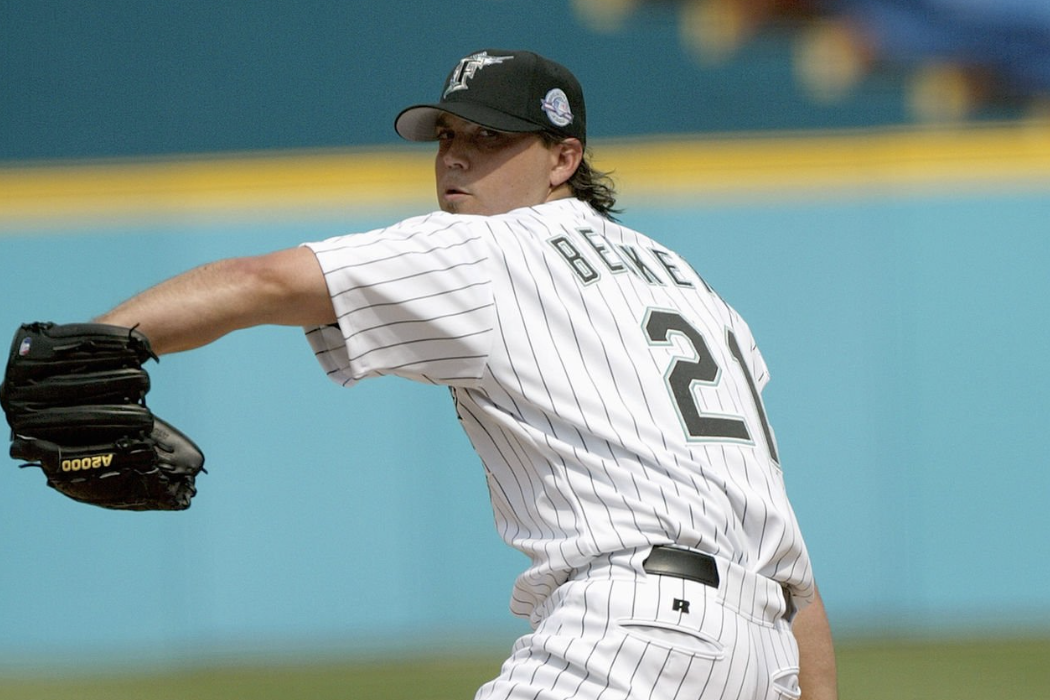 The Miami Marlins will recognize Josh Beckett's contributions to the franchise by inducting him into the team's Hall of Fame this September. A former No. 2 overall MLB Draft pick of the Fish, the Texas right-hander had some inconsistencies during his career, both health-wise and performance-wise, but he peaked as one of MLB's best starters and repeatedly elevated his game in the postseason. Beckett's inclusion in the 2026 HOF class got us wondering: Is he the best homegrown pitcher in franchise history is? Before we get started, we must define what it means to be "homegrown." These are players who were acquired by the Marlins as amateurs either through the draft or international free agency. Since 1992, the Marlins have selected 806 pitchers in the draft and hundreds more internationally. That rules out prominent names like Kevin Brown, Dontrelle Willis, Ricky Nolasco, Aníbal Sánchez, and Sandy Alcantara, as their professional careers commenced with other organizations. This is a discussion reserved for the farm-raised hurlers who had big league success with the organization. To be paid to play baseball professionally is an accomplishment of its own, even more fulfilling if that dream is one day realized at the highest level. But to get to the major leagues and succeed is beyond what most people's imagination would allow for. The "Just Missed" Edward Cabrera (Dominican Republic) would hold the title for best international pitcher signed by the Marlins, as his 7.1 bWAR ranks first among such players. However, being traded to the Chicago Cubs ahead of the 2026 season means we won't be privileged to bask in the fruit of his 2025 breakout. In a career-high 137 ⅓ innings, Cabrera posted a 3.53 ERA, striking out nearly 10 batters per nine innings. In a similarly valuable vein, Brad Penny, worth 8.1 WAR during his Marlins tenure, could potentially have found his way into the conversation had he not been dealt to the Dodgers at the 2004 trade deadline. Penny posted a trio of near-three-win seasons between 2001 and 2004, including a 2003 season where he pitched to a 2.19 ERA in the club's World Series triumph over the New York Yankees. In the years that immediately followed his departure from 2005 to 2007, Penny experienced his longest sustained run of success, pitching to a 117 ERA+ and making a pair of All-Star teams. Among MLB pitchers to throw at least 500 innings in that span, Penny's 11.3 bWAR ranked 21st, sandwiching him between two future former Marlins, Dan Haren and Javier Vázquez. If we're accounting for relievers, as well, then AJ Ramos is worth mentioning. His 6.6 bWAR is the most among all relief pitchers originally drafted or signed by Miami, and his 2.78 ERA trails only Kevin Brown (2.30) and the late-José Fernández (2.58) for third-lowest among pitchers to throw at least 300 innings for the team. The Big Three The aforementioned Beckett drew comparisons to Nolan Ryan and raced through the minor leagues before debuting with the Marlins at the end of the 2001 season. Beckett was one of just eight pitchers to throw 135 or more innings and finish with an ERA below 4.00 in each season between 2003 and 2005. He is best remembered for his series-clinching shutout thrown on three days' rest in Game 6 of the '03 World Series While his body of work leaves some to be desired for this discussion—a 3.46 ERA and 10.7 bWAR in 609 innings—Beckett's place in Marlins lore is firmly entrenched. Beckett was very briefly teammates with another exceptional "Josh," Josh Johnson. Not only is Johnson's 25.8 bWAR the most of any homegrown Marlins arm, but it's also the highest of any pitcher in the franchise's history. At his best, Johnson was on the short list of best pitchers in baseball. Some notes to illustrate this: - Who are the only two National League pitchers to win the ERA title between 2010 and 2014? Clayton Kershaw, who did it every year from 2011 to 2014, and Johnson, who finished with a 2.30 ERA in a seven-win 2010 season. Were it not for a back injury that limited him to 183 ⅔ innings, Johnson had a case for the first Cy Young in franchise history, ultimately finishing fifth. - Of the 91 pitchers to throw at least 500 innings between 2008 and 2011, only the late Roy Halladay (2.59) and Adam Wainwright (2.68) had a lower ERA than Johnson's 2.80, and his 22.4 bWAR between 2008 and 2012 was the ninth-highest mark in baseball. While injuries took their hold of Johnson far too soon, he was a rare breed. And then, there was Niño. José Fernández exuded so much flare and sheer joy when playing the game. He was also among the most automatic pitchers the game had seen to that point. In merely 471 ⅓ innings he threw in his short life, Fernández dominated, posting a 2.58 ERA and even more impressive 2.44 FIP. In each of his four big league seasons, Fernández finished with an ERA and FIP below 3.00. Of the 109 hurlers to throw at least 450 innings between 2013 and 2016, only three—Clayton Kershaw, Max Scherzer, and Fernández—finished with a sub-3.00 ERA and better than 10 K/9. With his death in 2016 at only 24 years old, a dark cloud was cast over the city of Miami and Major League Baseball. It still lingers as we approach 10 years since that fateful September day. And the Winner is... Are we rewarding longevity? Peak success? Unrealized talent? I defer to the former, as many a player can find their way to a successful season or two, but to do it consistently is the true separator. And for that, the distinction of "best homegrown pitcher in Marlins franchise history" goes to Josh Johnson. Not only are Johnson's 916 ⅔ innings the fourth-most in franchise history, but his 3.15 ERA is still third when setting the minimum number of innings to 450. Even on a per-inning basis, Johnson's 0.028 bWAR/IP lightly edges out Fernández's 0.0278. Active Contenders The Marlins have a slew of young, promising arms poised to make an impact on the club. Thomas White and Robby Snelling as big leaguers is all but a formality at this point. Kevin Defrank, though only 17, already boasts a fastball that touches triple digits. Noble Meyer, the club's first-round pick in 2023, has been a mixed bag since turning pro, but there's enough there via his mitigation of hits and ability to induce whiffs to suggest he can be better moving forward. Not yet 23 years old but far removed from prospect status, Eury Pérez already owns a 3.71 ERA and 3.9 bWAR in a hair more than season's worth of innings. Then there's Braxton Garrett, one of the better Marlins pitchers between 2023 and 2024, where he posted a 124 ERA+ and 5.6 bWAR. A rebound 2026 after missing all of 2025 due to injury could see him sneak his way into the conversation.
- 1 comment
-
- 1
-
-
- josh beckett
- josh johnson
- (and 1 more)


.jpg.6d6b9f788f4a5ba53025ead002364eb9.jpg)
